


Automated machining is changing how manufacturers organize production, move workpieces around, and manage operations that repeat all day long.
As CNC equipment gets tied more closely to material handling and production software, workholding systems are being pulled into that same coordinated workflow whether they were designed for it or not.
A chuck isn't just something that grips a workpiece anymore. Its clamping action, positioning behavior, changeover process, and how well it plays with automated equipment all shape how smoothly a machining cell actually runs.
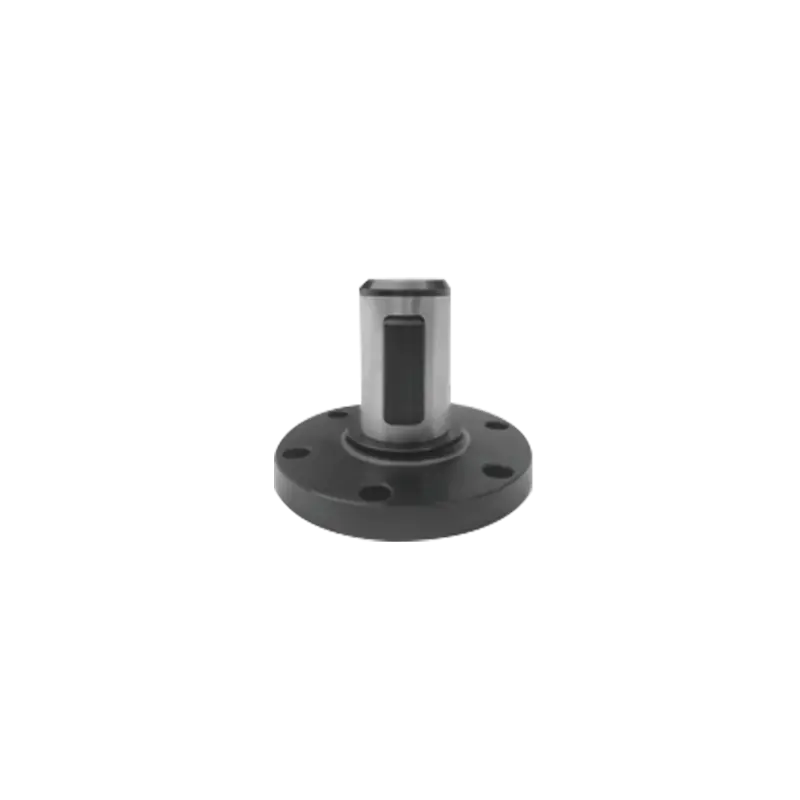
That's pushing manufacturers to rethink traditional workholding setups and look at designs that respond more easily to different production demands.
An Expanding Mandrel Chuck is useful when a workpiece needs internal support instead of relying on external gripping. Its expanding action contacts the inside of the part while keeping more of the outer surface accessible for machining.
As automated machining moves forward, this kind of workholding is getting reworked around repeatability, automated operation, flexible production, and changeovers that don't eat up half a shift.
Why Automated Clamping Matters More Now
Automated machining depends on consistent movement between one production stage and the next.
A machine might receive a workpiece, position it, secure it, run through machining steps, release it, and reset for the next cycle with barely any hands-on intervention. The workholding system has to keep up with that rhythm.
Manual clamping still works fine in plenty of production environments, but once operations start repeating over and over, predictable handling starts to matter a lot more.
| Production Need | Workholding Consideration |
|---|---|
| Automatic loading | Easy access for material handling |
| Repeated machining | Consistent workpiece positioning |
| Continuous operation | Stable clamping behavior |
| Product changes | Convenient adjustment |
| Unattended processes | Reliable operation |
Automated clamping isn't just about swapping a hand-operated mechanism for a powered one. The whole interaction between machine, workpiece, chuck, loading system, and control process needs to work together as one unit.
If the workholding creates delays or needs frequent manual correction, it drags down whatever gains automation was supposed to bring elsewhere on the line. That's why manufacturers keep looking for clamping solutions that fit naturally into the flow of an automated process instead of interrupting it.
How an Expanding Mandrel Chuck Fits CNC Machining
CNC machining usually needs a workpiece to stay put while different cutting operations run.
For parts with a suitable internal surface, an expanding chuck can hold the piece from inside instead of relying entirely on external gripping. That leaves more of the outer surface open for machining work.
| Workholding Approach | Typical Consideration |
|---|---|
| External gripping | Holds the outside surface |
| Internal expansion | Supports the inside surface |
| Fixed support | Provides a defined holding position |
| Adjustable expansion | Accommodates selected internal forms |
Internal expansion earns its place when external clamping would get in the way of the machining area, or when the finished surface needs to stay accessible during production.
Whether it's the right call depends on the shape, material, internal geometry, and machining needs of the specific workpiece. The chuck should get chosen as part of the whole machining process rather than picked as a stand-alone part off a catalog page.
For automated CNC work, how the chuck connects to the machine's control system also shapes how efficiently workpieces move through production.
What the Expanding Core Actually Does
The Expanding Core is the piece that moves outward to make contact with the inside of a workpiece.
That movement needs careful control, so the piece stays held securely without getting deformed or shifted out of position. Different components have different internal shapes, so the expanding structure needs to match whatever it's meant for.
| Expanding Core Consideration | Production Relevance |
|---|---|
| Contact shape | Influences internal support |
| Movement | Affects clamping consistency |
| Surface condition | Supports stable contact |
| Replaceability | Helps with product changes |
| Compatibility | Determines suitable applications |
An Expanding Core can also get designed around a family of related workpieces rather than just one. When production involves several similar components, interchangeable or adjustable internal supports make workholding changes far less of a headache.
That cuts down on redesigning the whole clamping setup every time a new workpiece shows up on the schedule. The Expanding Core, in that sense, has turned into part of a bigger conversation about flexible manufacturing rather than staying just a mechanical detail.
How Mechanical Chucks Are Changing With Automation
Mechanical Chucks still hold their ground in plenty of machining environments because they offer a direct, familiar way to secure a workpiece.
Automation doesn't necessarily push mechanical workholding out. Manufacturers are more focused on how mechanical structures can cooperate with automated loading, positioning, and control systems already in place.
| Automation Requirement | Possible Mechanical Response |
|---|---|
| Repeated loading | Consistent clamping position |
| Automatic release | Clear unclamping action |
| Product changes | Replaceable contact components |
| CNC integration | Compatible operating sequence |
| Routine inspection | Accessible wear areas |
A Mechanical Chuck fits into an automated system fine as long as its operation lines up with the equipment around it. The important thing is that it shouldn't add uncertainty to the automation process.
Clear movement, stable positioning, and straightforward maintenance make a mechanical workholding system a lot easier to fold into a production cell. That's pushed manufacturers to take a fresh look at how traditional mechanical structures fit alongside newer automated workflows.
Can Workholding Improve Changeover Efficiency?
Most production schedules run more than one type of workpiece through the same equipment.
When a machining cell needs to switch from one component to another, the workholding often has to change too. A changeover that drags on or gets complicated can throw off the whole production rhythm for the shift.
Manufacturers have started paying closer attention to how quickly contact components, Expanding Cores, and other workholding parts can get adjusted or swapped.
| Changeover Area | Useful Design Focus |
|---|---|
| Contact components | Easy replacement |
| Workpiece positioning | Clear reference points |
| Clamping adjustment | Simple operation |
| Component storage | Organized access |
| Setup verification | Straightforward inspection |
Speed isn't the only thing that matters here. A workable changeover process also needs to let operators quickly confirm the new setup is actually installed right.
Clear identification and repeatable positioning cut down on confusion when a facility runs several workpiece types through the same line. In an automated setting this becomes even more important, since a small setup mistake can ripple through several operations before anyone notices it happened.
That's part of why workholding manufacturers are exploring designs that pair flexibility with a setup process that's easy to double-check.
How Continuous Production Shapes Chuck Design
Continuous production puts more strain on the relationship between equipment and workholding.
A chuck might repeat the same clamping and release motion over and over throughout a shift. Wear, contamination, lubrication condition, and the state of the contact surface all creep in gradually and affect how the chuck behaves over time.
That means workholding design has to account for routine inspection and maintenance from the start, not as an afterthought.
| Maintenance Area | Why It Matters |
|---|---|
| Contact surfaces | Supports stable workpiece holding |
| Moving parts | Helps maintain smooth operation |
| Internal areas | Can collect machining residue |
| Fastening points | Helps maintain secure assembly |
| Lubrication areas | Supports consistent movement |
A workholding system that's hard to inspect creates maintenance headaches nobody wants. Accessible components let a production team spot wear or contamination before it starts affecting the machining process itself.
It is also worth considering how easily frequently serviced parts can be replaced. This kind of planning helps keep workholding maintenance aligned with production schedules instead of creating unexpected interruptions.
How Automated Workholding Supports Different Production Setups
Not every automated machining line runs the same way.
Some facilities focus on turning out one component repeatedly, while others juggle several related products on the same equipment. Some lines are heavily automated end to end, while others mix machine operation with manual loading and inspection along the way.
Workholding needs to reflect whichever situation it's actually working in.
| Production Style | Workholding Priority |
|---|---|
| Repeated production | Stable repeated clamping |
| Mixed production | Flexible setup |
| Automated loading | Easy access |
| Manual-assisted production | Simple operation |
| Multi-stage machining | Reliable positioning |
An expanding chuck fits well in situations where internal gripping is a practical way to expose the outer surface for work. It can also become part of a modular workholding strategy where different internal supports get swapped in depending on the workpiece.
That lets manufacturers treat workholding as something configurable rather than fixed — adapting the setup around the actual workflow instead of forcing every product into the same arrangement.
What Manufacturers Are Weighing in Automated Chuck Development
Workholding manufacturers are looking at the whole production environment now when they develop new chuck systems, not just the chuck in isolation.
That conversation touches the machine tool, loading equipment, workpiece design, how operators interact with the setup, inspection routines, and maintenance planning. This wider view shapes how expanding mechanisms, contact surfaces, mounting arrangements, and interchangeable parts end up designed.
| Development Area | Practical Question |
|---|---|
| Clamping | Can the workpiece be held consistently? |
| Automation | Can the chuck fit the production sequence? |
| Flexibility | Can related workpieces use the system? |
| Maintenance | Can important parts be inspected easily? |
| Changeover | Can contact components be replaced conveniently? |
| Integration | Can the chuck work with existing equipment? |
Material choice matters too. The contact area needs to work with the workpiece surface and the machining environment it's operating in, and the structure as a whole has to balance holding function against how easy it is to clean and inspect.
Manufacturers tend to come at automated chuck development from several angles at once. The point isn't bolting automation onto an existing chuck design. It's building a workholding arrangement that behaves predictably as part of the wider production process.
As machining environments become more connected, Mechanical Chucks, Expanding Mandrel Chuck systems, and Expanding Core designs are getting looked at in relation to automated loading, CNC production, changeover planning, and routine maintenance all at once.
That shift puts more weight on how the workholding system interacts with the whole manufacturing workflow — from the moment a workpiece arrives and gets positioned internally, through machining, release, inspection, and setup for whatever comes next on the schedule.
