
Aluminum Roller Wholesaler

Home / Product / Aluminum Roller / Plasma Alloy Anti-Sticking Aluminum Roller
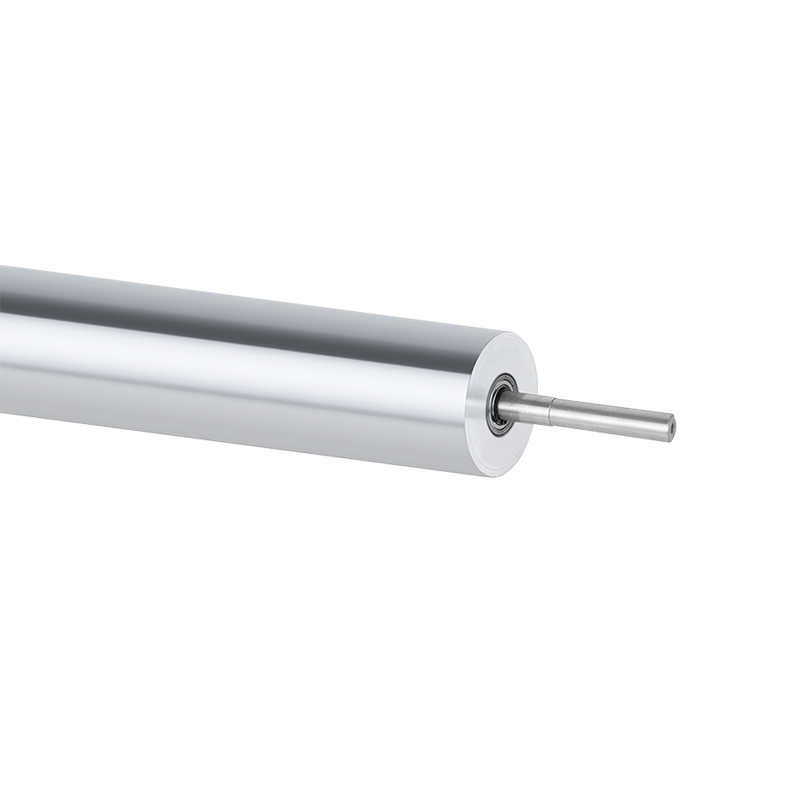
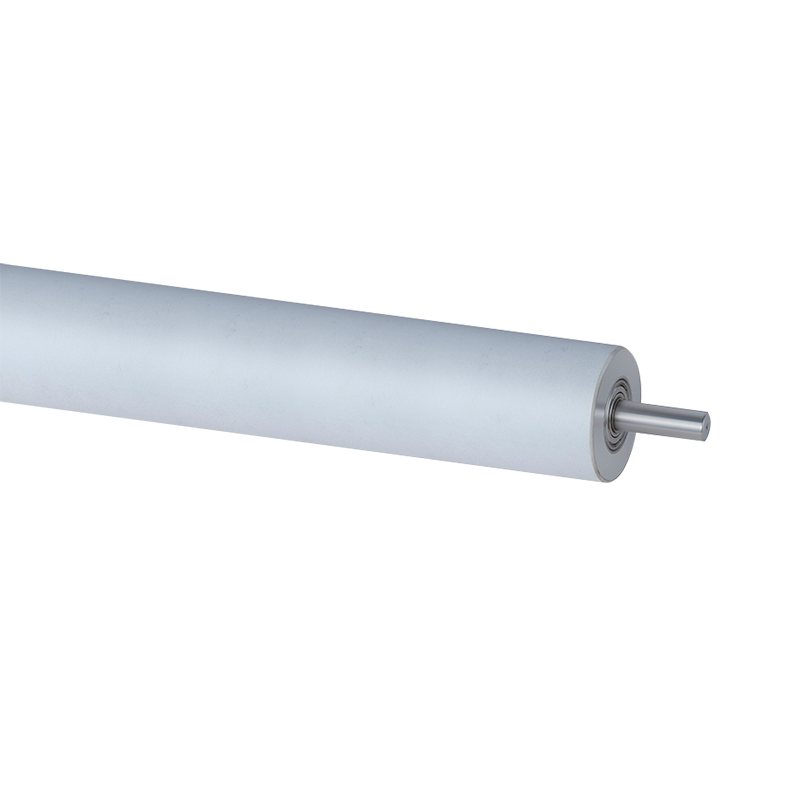
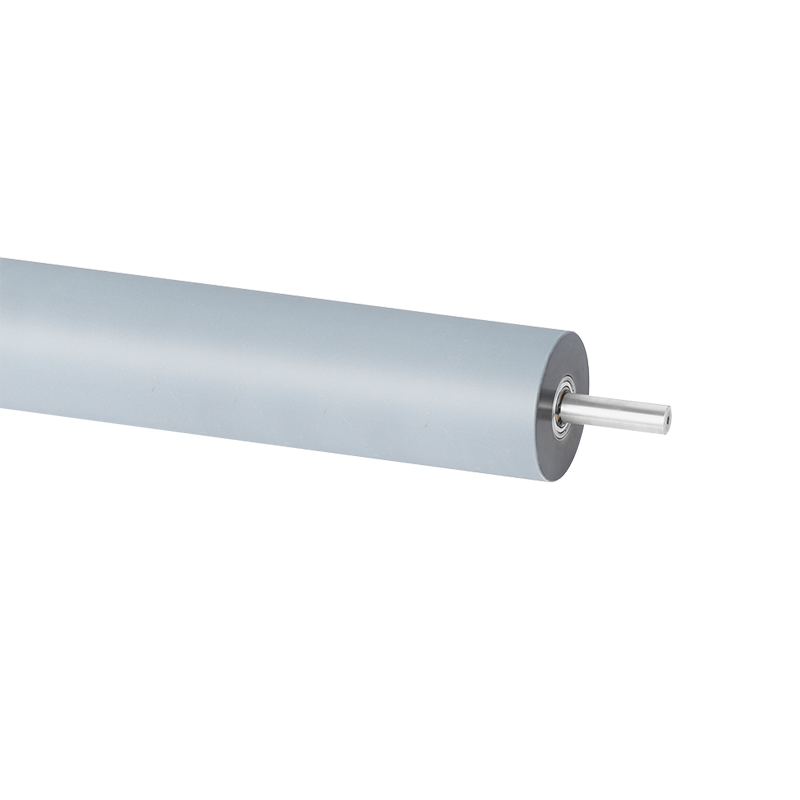
Plasma Alloy Anti-Sticking Aluminum Roller

Plasma Alloy Anti-Sticking Aluminum Roller

CONTACT US Ruian Chuangbo Machinery Co., Ltd.
Plasma Alloy Anti-sticking
  • Description
  • Parameter
  • Inquiry
  • About Us
Description

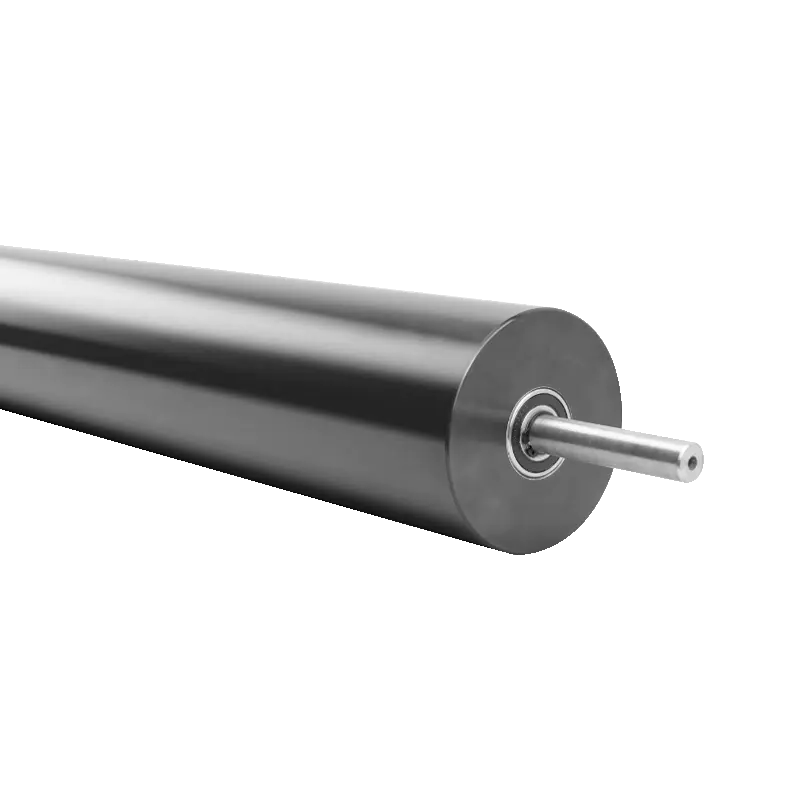
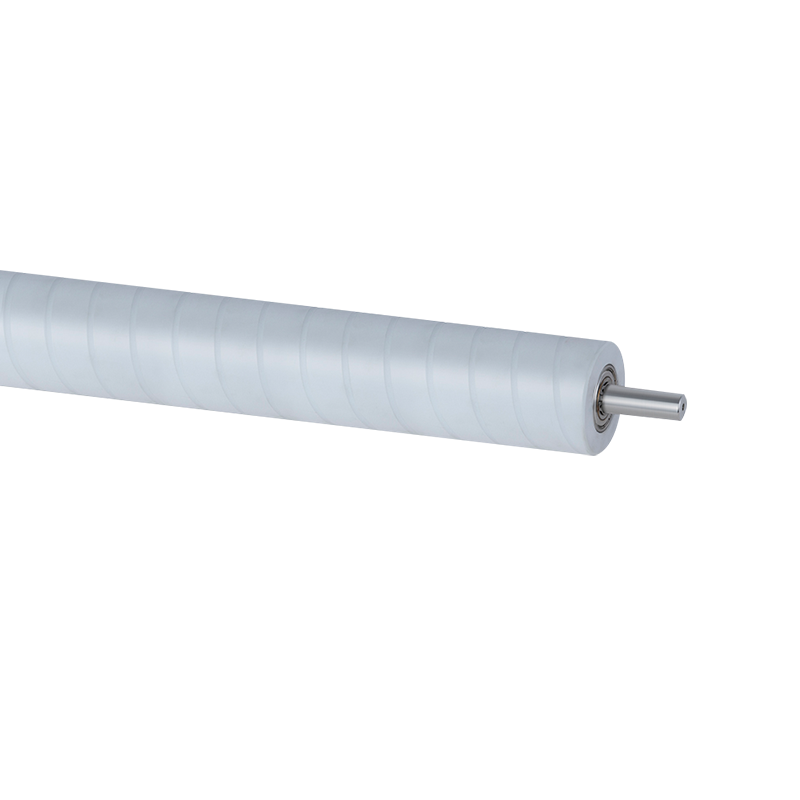
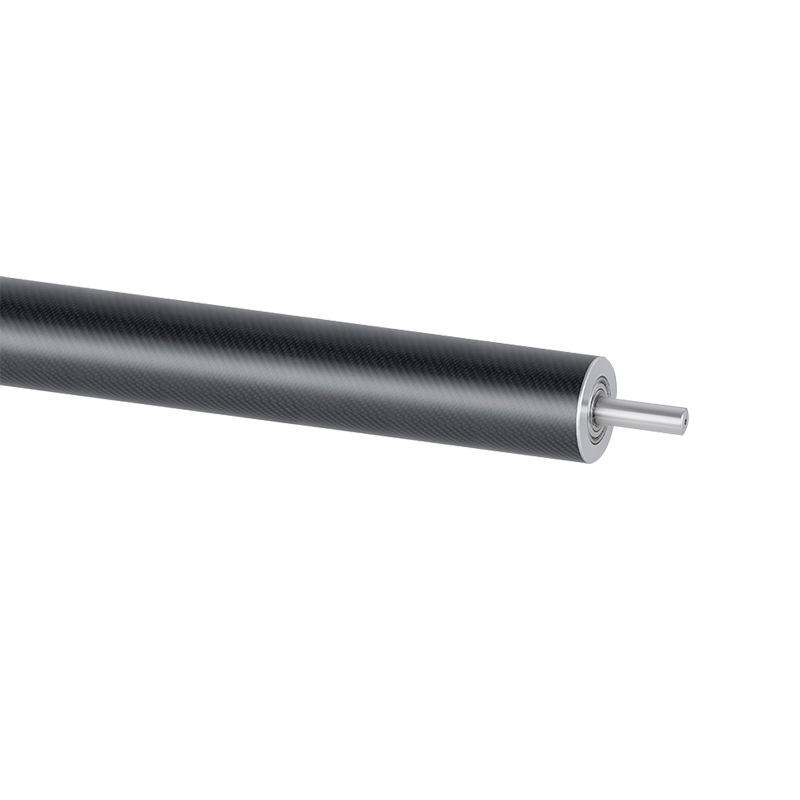
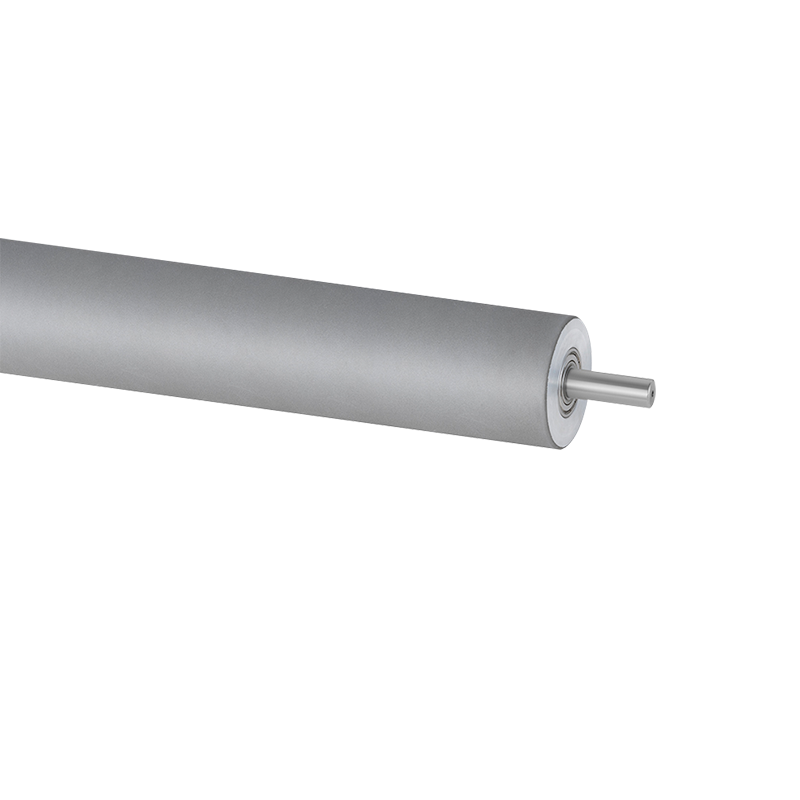
High-performance plasma-alloy anti-sticking rollers can make a noticeable difference on the production floor. PAAS aluminum rollers use a plasma-alloy surface treatment designed to reduce material buildup and stand up to heat and friction. Built for steady, predictable use, these rollers aim to cut cleaning time and keep lines moving.

Key benefits

Reduced material buildup

The plasma-alloy coating creates a less reactive surface so materials are less likely to cling during high-temperature or high-friction operations. That means crews spend less time scraping and more time running the line.

Heat resistance for tough processes

These rollers are intended to retain shape and surface quality under the temperatures encountered in extrusion, forming, and similar processes. That stability helps keep downstream operations consistent.

Longer usable life

The alloy layer improves resistance to wear and corrosion, helping the roller maintain performance even after many cycles. In practice, that translates to fewer replacements and less disruption to schedules.

Configurations for different needs

The rollers come in four common designs so you can match the part to the machine and task:

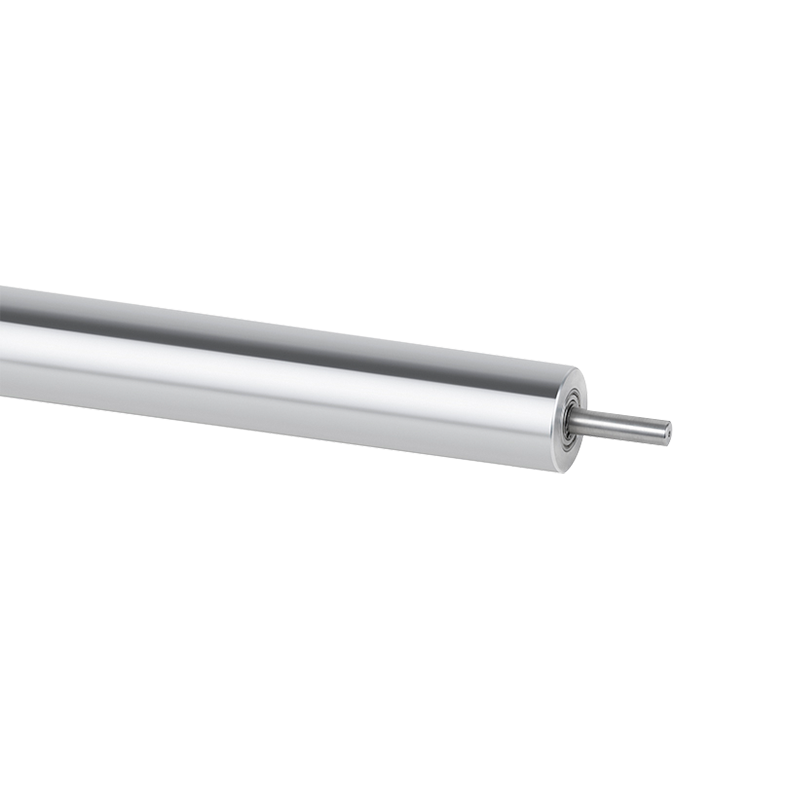
  • Flat tube — useful where even pressure over a wide area is needed.
  • Shaftless — fits compact machines where space is limited.
  • Direct axis — suitable when sustained torque and continuous motion are required.
  • Standard axis — compatible with conventional setups for heavier work.

Surface options to match the task

You can choose from several finishes depending on how the roller will be used:

  • Polished — for low friction and smooth release.
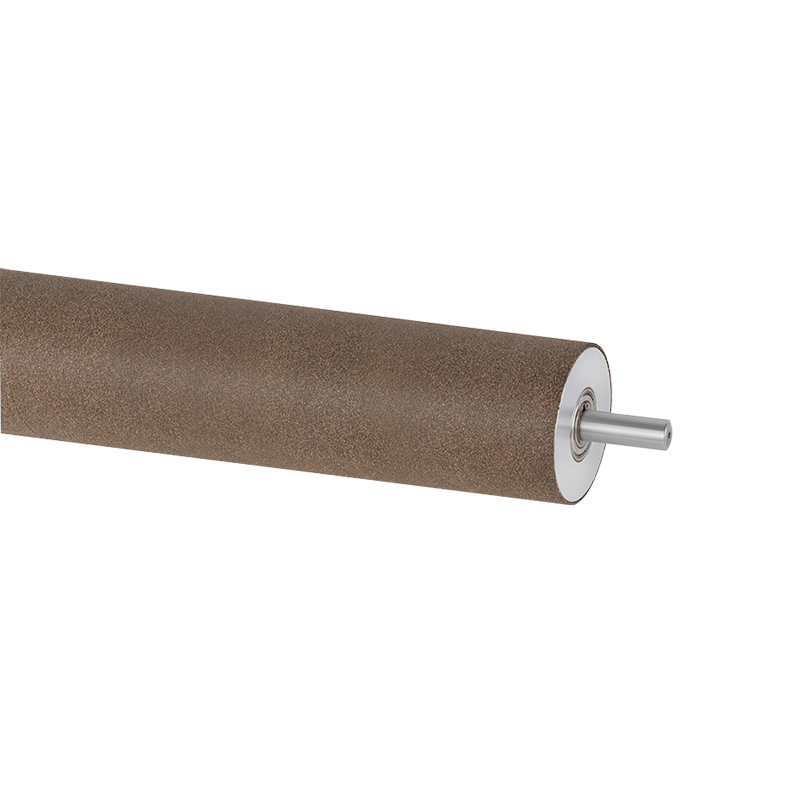
  • Micro-textured — for improved grip where you want controlled adhesion.
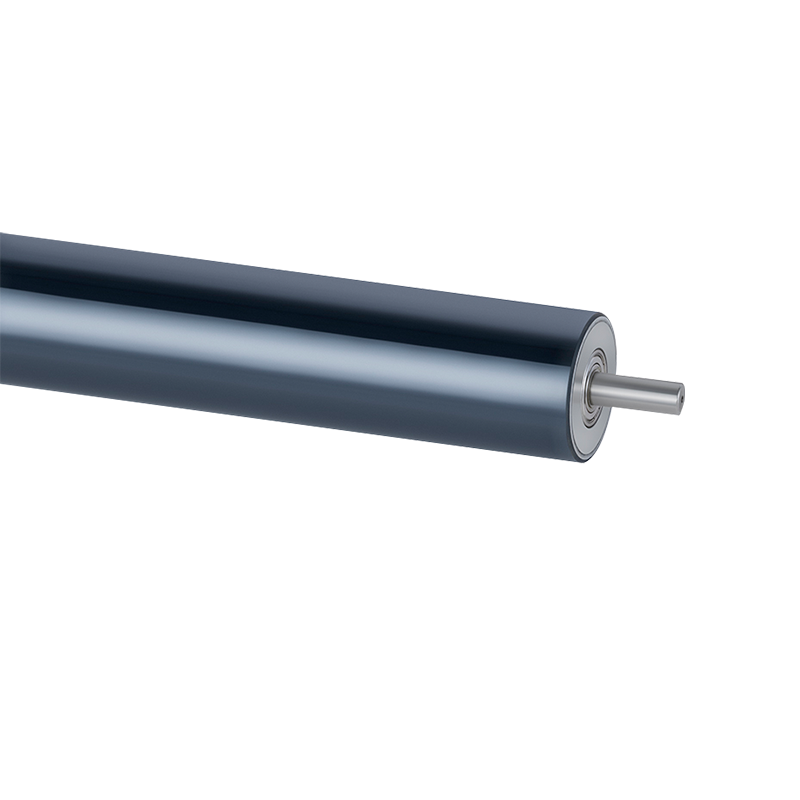
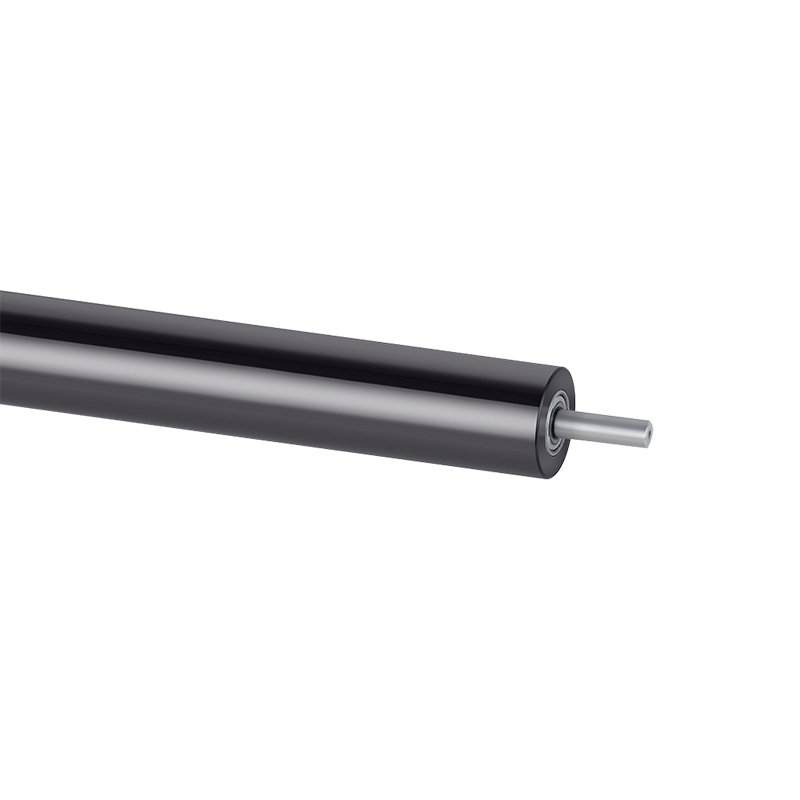
  • Heat-resistant coating — for processes dealing with molten or very hot materials.

Lightweight, robust construction

Made from aviation-grade aluminum, these rollers balance strength with lower weight, which can ease handling and reduce the load on drive systems.

Where they fit

Plastic and rubber lines

The rollers help in extrusion and lamination by reducing polymer buildup and lowering the chance of surface defects.

Food processing and packaging

The anti-stick surface supports hygienic handling of sticky products such as dough or candy, easing cleaning demands.

Metal stamping and forming

Heat and wear resistance allow the roller to perform in forming operations without rapid surface deterioration.

Additive manufacturing and composites

Non-reactive surfaces make it easier to release resins and stacked composites cleanly, improving overall output quality.

Chemical and pharmaceutical production

Corrosion resistance makes these rollers appropriate for environments where solvents or coatings are present.

A practical case: cutting extrusion downtime

When buildup is reduced and surfaces remain consistent, lines see fewer unscheduled stops. That steadiness often has a compound effect on throughput and scheduling.

Why this approach matters

Combining plasma-alloy surface treatment with considered mechanical design addresses several everyday problems on the line: sticking, heat-induced changes, and wear. Choosing a roller with the right configuration and surface finish helps align the part to the process instead of forcing the process to adapt to the part.

News & Event