


Ruian Chuangbo Machinery Co., Ltd. is specialized in manufacturing of machinery parts.
Precision machining often comes down to small details that are easy to overlook until something goes wrong. The workpiece has to stay in a controlled position while cutting, drilling, turning, or finishing happens around it. If the part shifts even slightly, a carefully prepared process can still produce inconsistent results.
This is where chuck choice starts to matter. Expanding Core Chucks provide internal support by expanding against the inside of a suitable workpiece, creating a relationship between the workpiece and the machine that's built from the inside out rather than the outside in. For hollow components, this also leaves more of the outside surface available for machining, which matters when several areas of the outer profile need to stay reachable during one run.
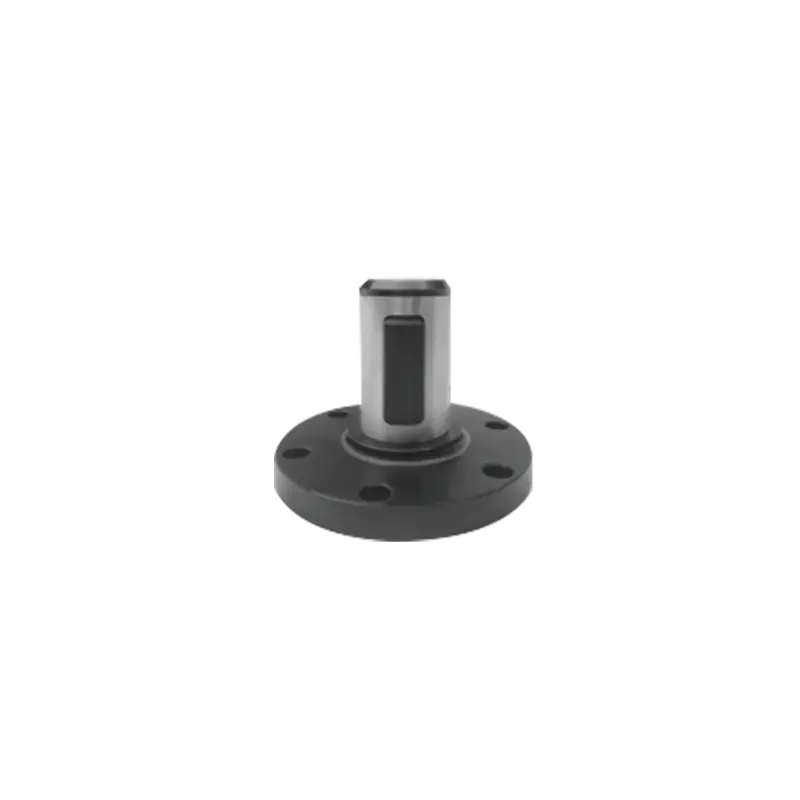
The idea isn't simply holding a part more tightly. Precision machining calls for controlled positioning, stable contact, and a setup that matches the shape of the workpiece, and expanding designs contribute to those goals when the chuck and part are properly matched from the start.
Why Internal Clamping Matters in Precision Machining
A workpiece needs a stable reference position throughout machining. External jaws hold a part effectively enough in many cases, but the contact points can place pressure directly on the outside wall, and for thin or delicate components, that pressure can nudge the shape in ways you don't want.
An internal chuck approaches the problem from the other direction. The expanding elements contact the inner surface, letting the outside of the component stay open for whatever work needs doing there.
| Workpiece Requirement | Internal Clamping Consideration |
|---|---|
| Hollow component | Provides an internal holding surface |
| Delicate outer surface | Reduces dependence on external gripping |
| Accessible outside profile | Leaves more external area available |
| Repeated machining | Supports a repeatable setup |
| Multiple outside operations | Can reduce interference from external jaws |
The internal surface becomes an important part of the setup itself. It needs to suit the selected holding method, and the contact should stay stable through the whole machining process rather than shifting partway through.
This arrangement works well for rings, sleeves, tubes, and other hollow parts, though suitability still depends on the workpiece shape and the production process around it. Internal support also changes how operators think about loading — the workpiece gets located around an internal contact area instead of positioned against external jaws, and that difference shapes how the part sits before cutting starts.
How Expanding Core Chucks Support Concentricity
Concentricity comes down to how accurately a workpiece gets positioned around its intended center. If the workpiece sits unevenly, the cutting process begins from a reference point that's already off from where it should be.
Expanding Core Chucks support concentric positioning by expanding within a suitable internal surface, creating a centered relationship between the workpiece and the machine once contact is properly established. This matters especially for hollow parts where the inner surface acts as a useful reference point.
| Positioning Factor | Influence on Machining |
|---|---|
| Internal surface condition | Affects contact consistency |
| Expansion balance | Influences workpiece positioning |
| Chuck installation | Supports the intended machine reference |
| Workpiece seating | Helps reduce unwanted movement |
| Repeated loading | Can support consistent positioning |
Concentricity doesn't come from the chuck alone — workpiece geometry, surface condition, machine setup, and operator handling all play a part. When the contact relationship stays stable, the cutting tool works from a consistent reference from one setup to the next, which matters when several operations depend on the same centerline running through a part.
Can Internal Clamping Reduce Workpiece Deformation
Thin-walled parts react noticeably to external pressure. A strong external grip can change the shape of a flexible wall, creating a gap between the part's clamped condition and how it actually looks once released.
Internal expansion offers another way to hold the workpiece, contacting the internal surface and supporting the part from within rather than pressing inward from the outside.
| Workpiece Condition | Possible Concern |
|---|---|
| Thin outer wall | External pressure may influence shape |
| Flexible material | Holding force needs careful control |
| Hollow profile | Internal support may be suitable |
| Uneven inner surface | Contact may need closer attention |
| Delicate finished surface | External jaw marks may be undesirable |
An Expanding Mandrel Chuck often gets considered here because it uses an internal surface as the holding area, cutting down on direct external pressure. That doesn't guarantee deformation is off the table, though — expansion itself creates contact pressure, so the force applied still needs to match what the workpiece can withstand, and a suitable internal contact spreads that holding action across the available area instead of concentrating it in one small spot.
How Expanding Mandrel Chuck Designs Help With Machining Access and Vibration Control
Machining access gets difficult when external chuck jaws cover areas that need processing, and the problem shows up more when a part requires several operations around its outside surface, one after another.
An Expanding Mandrel Chuck provides internal holding while leaving much of the outer surface open to the cutting tool, simplifying the relationship between the workpiece and the machining area throughout the job.
| Machining Situation | Potential Internal Chuck Benefit |
|---|---|
| Outside diameter machining | Keeps external gripping away from the cutting area |
| Face machining | Can provide internal positioning |
| Multiple outside features | Leaves more external access |
| Surface finishing | May reduce external contact marks |
| Repeated operations | Supports a consistent holding arrangement |
This doesn't mean every part should use internal clamping. Solid workpieces, irregular components, and parts without a suitable internal surface often need other approaches, but the useful point is that chuck design shapes machining freedom — when the holding method doesn't interfere with the cutting path, tool access becomes easier to organize for parts with several external features.
Vibration is closely related. It shows up when the workpiece, tool, or machine isn't stable enough during cutting, and movement at the workpiece makes the problem more noticeable with flexible components that don't hold their shape well on their own. A stable chucking arrangement helps by giving the workpiece a foundation so it's less likely to move unexpectedly, though the goal isn't eliminating every source of vibration.
| Stability Factor | Why It Matters |
|---|---|
| Secure internal contact | Helps resist unwanted movement |
| Balanced expansion | Supports stable positioning |
| Suitable workpiece support | Helps manage machining forces |
| Proper installation | Maintains the intended setup |
| Consistent loading | Supports repeatable conditions |
A long, flexible component can still move even when the chuck holds it securely, so additional support may be needed depending on part structure and the operation involved. A good setup considers the entire machining path together — cutting direction, tool position, workpiece shape, and holding location all working in coordination.
How Repeatable Clamping Helps Precision Parts Production
Repeated production takes more than making one acceptable part — the same type of workpiece needs to get positioned consistently every time it enters the machine, run after run. Manual positioning can introduce small differences between setups, since an operator might place one workpiece slightly differently from the last, even while following the same general procedure.
| Repeated Production Need | Chucking Consideration |
|---|---|
| Consistent loading | Clear internal seating |
| Stable positioning | Controlled expansion |
| Similar workpiece geometry | Repeatable contact |
| Multiple production cycles | Consistent setup routine |
| Inspection between operations | Accessible workpiece surfaces |
A controlled internal chucking method makes positioning easier to repeat, though repeatability doesn't mean every production condition ends up identical — workpiece cleanliness, internal surface condition, chuck maintenance, and operator handling all still shape the result, so regular inspection remains part of the job. If contact areas get contaminated or worn, the relationship between chuck and workpiece shifts, and operators should follow the manufacturer's care recommendations to keep the working condition where it needs to be.
For precision parts machining, a repeatable setup saves more than time on the floor. It also makes results easier to monitor, since changes are less likely to trace back to random positioning differences, giving the machining team a clearer starting point when problems turn up.
How Mechanical Chucks Compare With Internal Expanding Designs
Mechanical Chucks remain useful across many machining applications. External jaws provide straightforward holding for solid and irregular workpieces, and they're convenient when the outer surface isn't needed for machining. Internal expanding designs serve a different set of applications instead.
| Chuck Approach | Typical Consideration |
|---|---|
| Mechanical Chucks | External gripping for suitable workpieces |
| Expanding Mandrel Chuck | Internal support for compatible hollow parts |
| Expanding Core Chucks | Internal expansion and positioning |
| External fixture | Useful for specialized part shapes |
| Combined support | Suitable where additional stability is needed |
The choice should come from the workpiece and the machining process, not from a chuck name alone. A hollow precision component may benefit from internal support because its outer surface needs to stay accessible, while a solid workpiece is often easier to hold with external mechanical jaws.
Part geometry shapes this decision too. An internal surface needs an appropriate contact area, and if that surface is uneven, damaged, or unsuitable for expansion, another holding method becomes more practical. The machining sequence matters as well — where the tool needs to reach, which surfaces are already finished, and how the workpiece gets loaded and removed during repeated runs, which makes chuck selection part of process planning rather than a separate equipment decision.
What Manufacturers Should Check Before Using Expanding Core Chucks
The chuck should get evaluated together with the workpiece before production begins, since internal dimensions, surface condition, material behavior, machining forces, and required access all shape whether an expanding design fits the job.
A few areas deserve attention during setup:
- Internal surface condition — Keep the contact area clean and suitable for the intended chucking method, since dirt can affect seating and holding consistency.
- Workpiece structure — The part needs to withstand the internal holding action without unwanted distortion.
- Machining direction — Consider how cutting forces act on the workpiece during each operation.
- Chuck condition — Inspect contact surfaces and moving sections according to the equipment's maintenance requirements.
- Loading method — Insert and remove the workpiece in a controlled manner to avoid unnecessary impact or surface damage.
- Additional support — Long or flexible components may need support beyond the main chucking location.
These checks connect the chucking method with the actual production environment rather than treating it as a fixed assumption. An Expanding Mandrel Chuck provides useful internal support when the workpiece geometry allows it, while Expanding Core Chucks offer another internal holding arrangement for compatible components — and stable positioning, suitable contact, careful loading, and regular equipment care together shape how consistently a precision workpiece moves through its machining process from one run to the next.
