






Air Shaft Wholesaler

Home / Product / Air Shaft / 3 Inch Aluminum Multi Bladder Type Air Shaft Air Shaft
3 Inch Aluminum Multi Bladder Type Air Shaft Air Shaft

3 Inch Aluminum Multi Bladder Type Air Shaft Air Shaft

CONTACT US Ruian Chuangbo Machinery Co., Ltd.
Aluminum Multi Bladder Type Air Shaft
  • Description
  • Parameter
  • Inquiry
  • About Us
Description

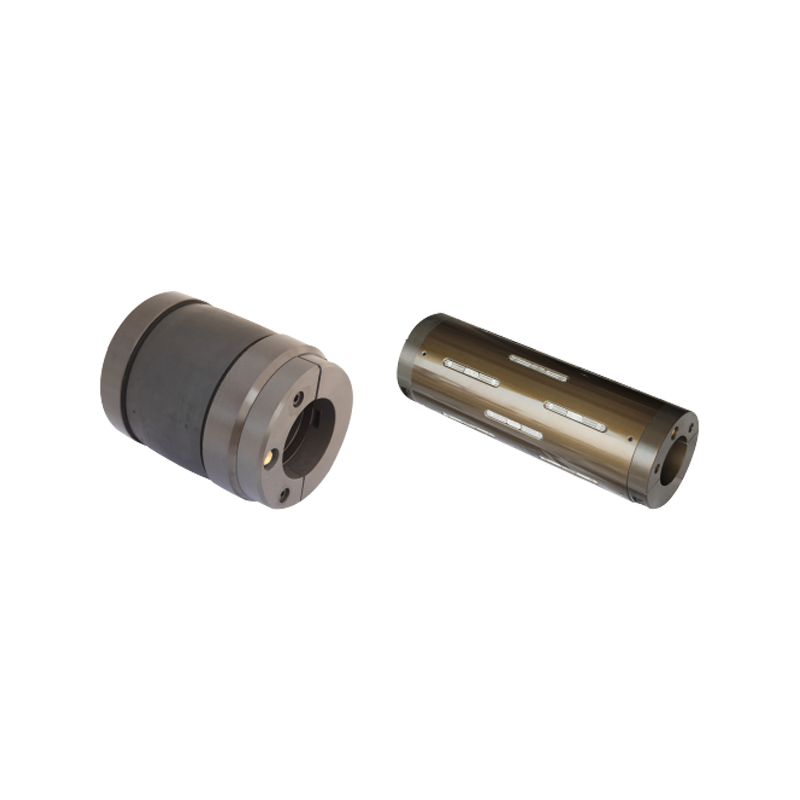
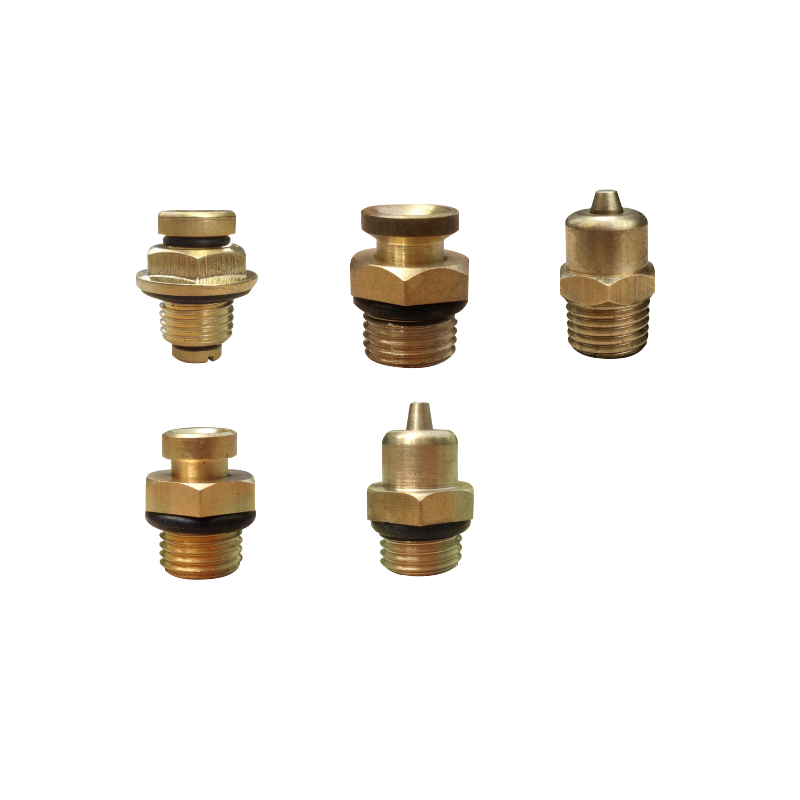
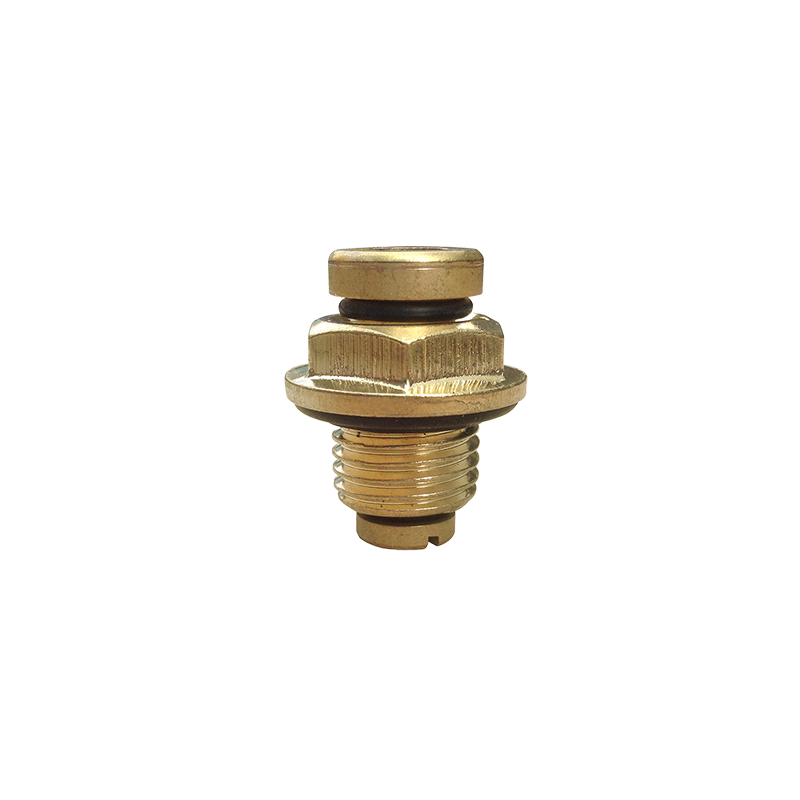
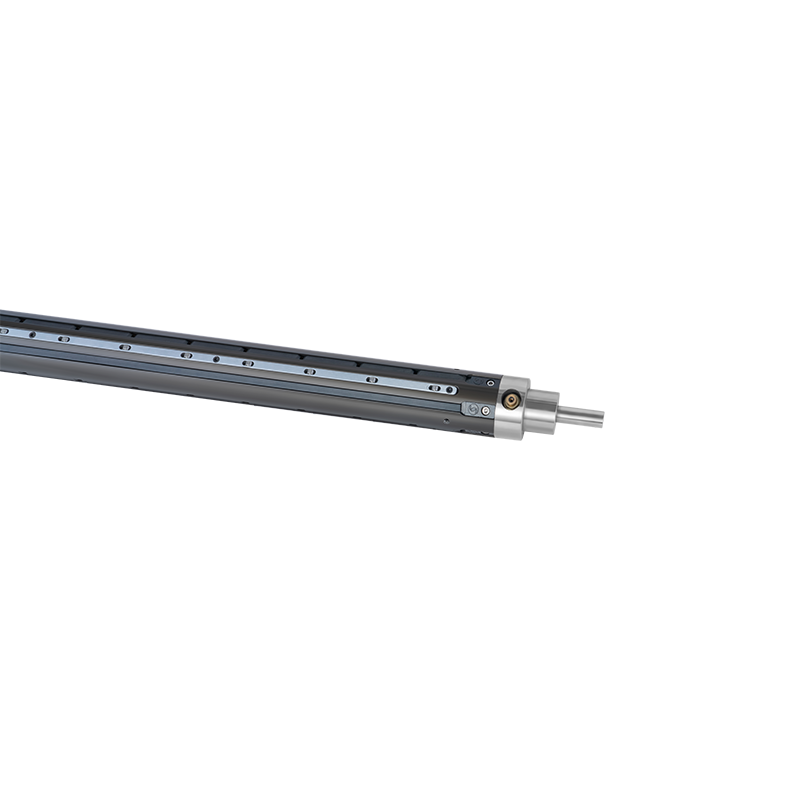
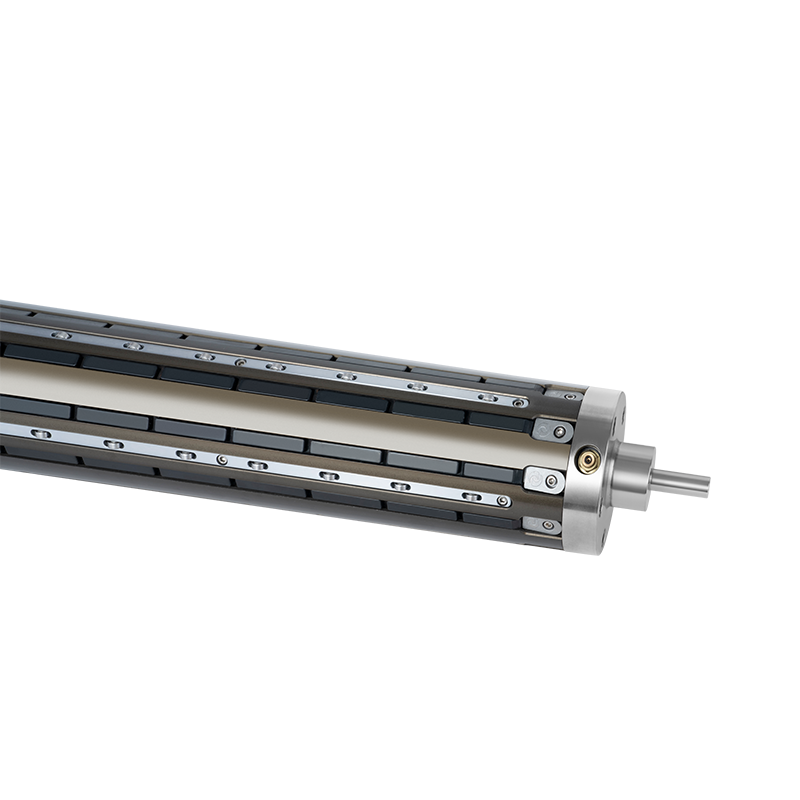
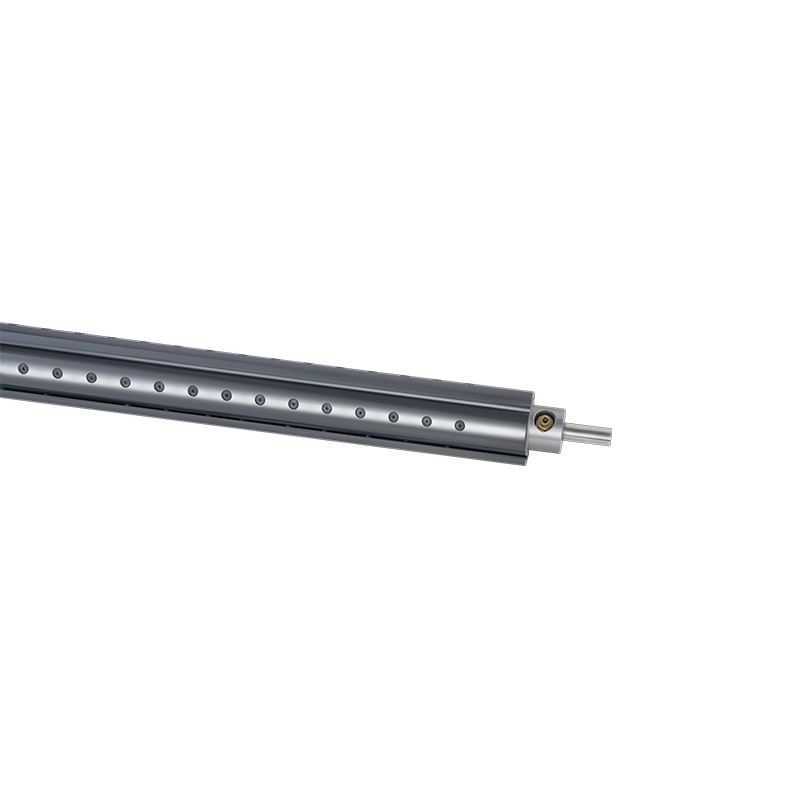
The 3 Inch Aluminum Multi Bladder Air Shaft is built to secure material cores during industrial winding, unwinding, rewinding, and slitting operations. It works on a straightforward pneumatic principle: compressed air enters through an air valve, causing the internal bladders to expand outward and press firmly against the core's inner wall. Once the air is released, the bladders retract, letting operators pull cores off quickly during changeovers.

Because it combines a lightweight aluminum shaft body with a multi-bladder gripping system, this configuration suits a wide range of web-handling equipment — provided the shaft's working length, load rating, and air pressure match the application.

Key Features

Pneumatic Expansion and Release

Compressed air supplied through a designated valve drives the bladder expansion. As pressure builds, the bladders push outward against the core; releasing the air lets them retract smoothly for roll removal. Operating pressure should always stay within the range specified for the particular shaft and bladder assembly — exceeding it can affect bladder life and grip consistency.

Multiple Bladders, Distributed Grip

Rather than relying on a single expansion point, the shaft spreads several bladders along its length. This distributed arrangement helps the core stay seated evenly during rotation, so long as the core's dimensions, roll weight, and running conditions are properly matched to the shaft's rated capacity.

Aluminum Shaft Body

Swapping steel for aluminum trims down overall shaft weight, which matters when operators are lifting and installing shafts by hand, or when a lighter rotating mass is preferred for the machine's drive system. That said, the aluminum body still has to satisfy the load, stiffness, and speed requirements of the intended process — weight savings shouldn't come at the expense of structural performance.

Built for Industrial Web Handling

From rewinders to slitting lines, this shaft is designed to work within compatible machine setups where core engagement and torque transmission are needed. It's a component meant to integrate into an existing system, not a standalone solution — so checking fit against the host machine is part of the selection process.

Configurable to the Application

Shaft diameter, overall and working length, bladder layout, valve position, end-fitting style, and core compatibility can all vary depending on the manufacturer's offering. Reviewing these details against your production line's specs is the surest way to avoid a mismatch.

Structure and Working Principle

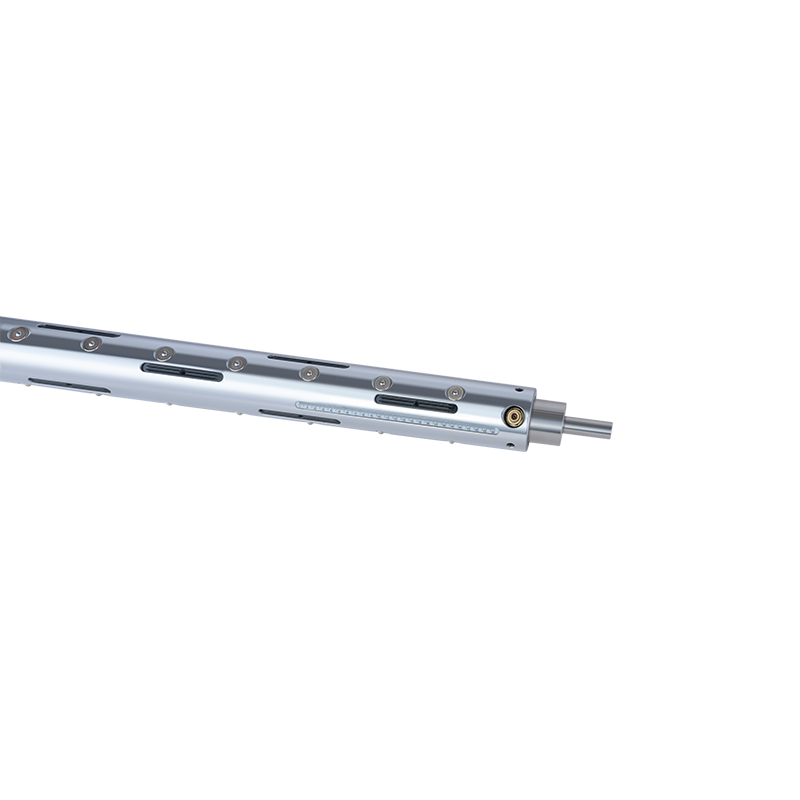
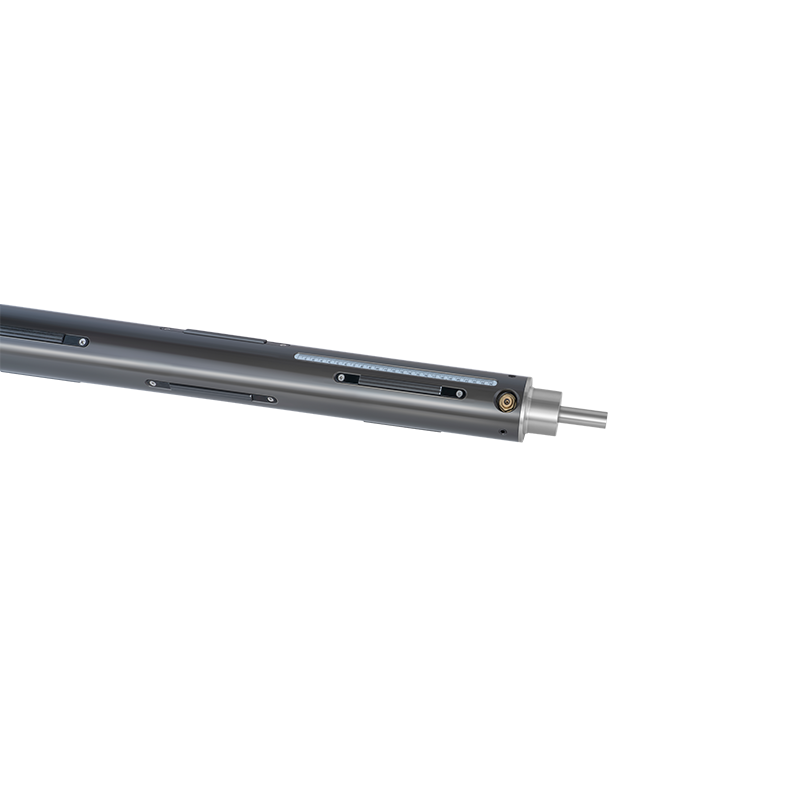
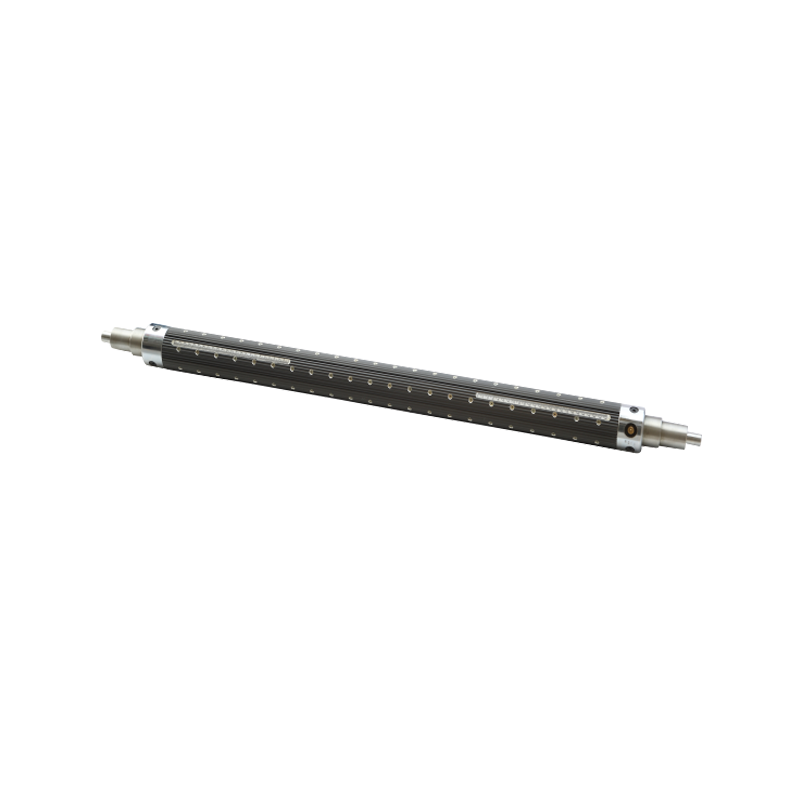
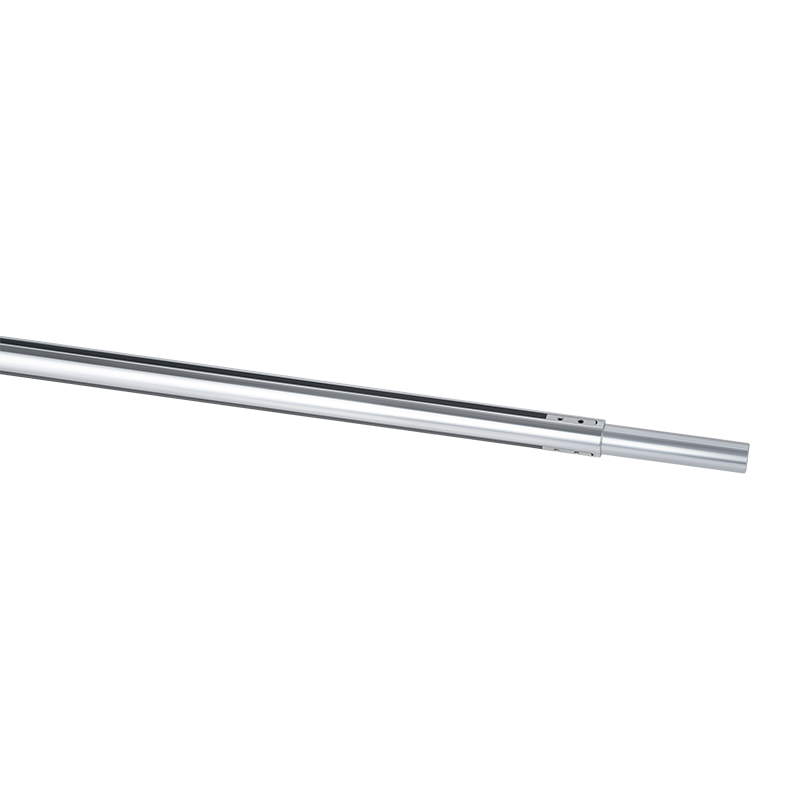
A typical 3 Inch Aluminum Multi Bladder Air Shaft is made up of the aluminum shaft tube, a set of internal bladders, an air distribution channel, a valve, and end components appropriate to the chosen design.

In use, air enters through the valve and travels through internal channels to inflate the bladders. The inflated bladders grip the inside of the core, creating enough friction to hold the roll in place and transfer rotational force without slippage. Deflating the bladders — simply by releasing the air — frees the core for removal.

A few operating factors tend to determine whether this setup performs well in practice:

  • Air pressure — stay within the manufacturer's specified range for the shaft and bladder set.
  • Core condition — inside diameter, roundness, and wall tolerance all affect how evenly the bladders grip.
  • Roll weight and width — compare against the shaft's rated capacity and expected load distribution.
  • Running speed — factor in acceleration, braking, and the tension needed for the material being processed.
  • Upkeep — periodically check alignment, air connections, and bladder wear, since small leaks or deformation can undermine grip over time.

Applications

Printing

Printing lines use air shafts to hold paper or film rolls steady through unwinding and rewinding. Here, the shaft needs to be sized against web width, roll weight, and the tension the printing process demands.

Packaging

Flexible packaging converters often handle films and laminates that need secure, repeatable core engagement during transfer and conversion steps. Core strength matters a lot in this setting — a weak core can deform under bladder pressure if the fit isn't right.

Plastic Film and Slitting Equipment

Slitting lines divide a parent roll into narrower rolls, and keeping each section properly tensioned depends on consistent core grip. A multi-bladder setup can help here, though the final call on whether multiple bladders suit the job comes down to the specific slitting machine's design.

Paper Processing

Paper mills and converters work with everything from heavy parent rolls to lighter finished rolls, so shaft selection has to account for paper weight, roll diameter, and the deflection the shaft can tolerate across its working width.

Textile Manufacturing

Fabric and nonwoven producers may use this type of shaft for handling rolls that are sensitive to over-tensioning. Confirming core size and material sensitivity ahead of time helps avoid damage during winding.

Glass Industry Support Processes

Within glass production and finishing lines, there are often web-handling steps involving protective films, interleaving materials, or laminate layers wound onto cores — and that's where a compatible air shaft can play a role. It's worth being clear here: the shaft itself doesn't process glass; it supports the roll-handling stage for materials used alongside glass manufacturing, such as protective film or backing sheets.

Pharmaceutical Packaging Lines

Similarly, pharmaceutical packaging equipment sometimes involves winding or unwinding web materials — blister film, foil laminate, or labeling stock — as part of the broader packaging process. A Multi Bladder Air Shaft can support that specific web-handling task, though it's not a shaft designed to interact directly with pharmaceutical products themselves. Core compatibility, cleanliness requirements, and material handling standards for that industry should be checked separately.

Foil and Other Thin Web Materials

Thin or delicate materials like foil tend to need gentler, more evenly distributed grip pressure, which is one reason a multi-bladder layout gets considered for these applications — assuming the bladder material and expansion force are suited to the film's sensitivity.

A Note on Differential Shaft Confusion

It's worth clarifying one point directly: a multi-bladder air shaft and a differential shaft are not automatically the same thing. A differential shaft typically uses friction clutches to let multiple rolls on one shaft rotate at slightly different speeds — useful for multi-roll slitting setups where tension needs to stay even across each roll.

The 3 Inch Aluminum Multi Bladder Air Shaft, by contrast, is primarily a pneumatic core-gripping mechanism. If a project calls for differential rotation between rolls, that's a separate functional requirement — one that should be confirmed with the manufacturer rather than assumed to come bundled with the multi-bladder design.

Customization and Selection Guidance

Specifications worth confirming before ordering typically include:

Parameter What to Check
Shaft diameter & length Nominal size, overall length, working/gripping length
Core compatibility Inside diameter, tolerance, wall condition
Bladder setup Arrangement, material, number of bladders
Air system Valve type, position, required operating pressure
Load & speed Max roll weight, width, operating/rotation speed
End fittings Mounting interface matching your machine

For an accurate recommendation, provide the core's internal diameter, shaft length, roll width, roll weight capacity, operating speed, required air pressure, and machine connection dimensions, along with details about the material being wound and its tension requirements.

Purchasing Tips

The 3 Inch Aluminum Multi Bladder Air Shaft relies on pneumatic bladder expansion to hold compatible cores steady through winding, unwinding, rewinding, and slitting work. Its aluminum body keeps weight manageable, and the multi-bladder layout spreads grip across the core rather than concentrating it at one point.

Before placing an order, it's worth running through shaft dimensions, core fit, load capacity, operating speed, air pressure, and machine interface — matching these to your actual production line is what determines whether this shaft fits the job.

News & Event