


Ruian Chuangbo Machinery Co., Ltd. is specialized in manufacturing of machinery parts.
Thin-walled parts are common in many machining applications, from aerospace fittings to simple sleeve components on a job shop floor. They may look simple from the outside, but holding them securely during machining can prove surprisingly difficult once the spindle starts turning. A workpiece with limited wall thickness can react quickly when clamping force changes even slightly.
This makes the choice of chuck genuinely important to the outcome. The holding method needs to keep the workpiece stable while avoiding unnecessary deformation that shows up later. Too little support can allow movement during a cut, while excessive pressure can change the shape of the part before cutting even begins.
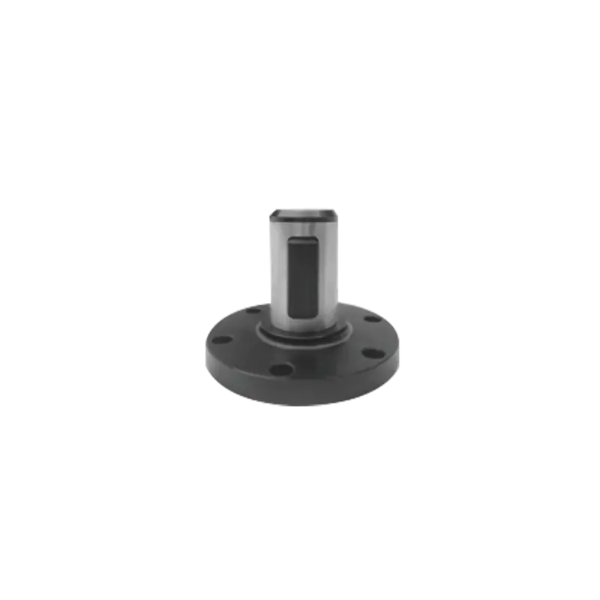
Mechanical Chucks remain widely used because they provide a direct way to hold rotating workpieces on a lathe. For thin-walled components, however, the chuck needs to get selected and adjusted with greater attention to the shape, material, and machining process at hand.
Expanding designs offer another approach worth considering. An Expanding Mandrel Chuck supports a workpiece from the inside, rather than relying only on pressure from the outside pressing in. This can prove useful when the outer surface needs to remain accessible for machining, or when external clamping could affect the part shape before the tool even touches it.
The same idea applies to Expanding Core Chucks, which can provide internal support for suitable workpieces on the machine. Their usefulness depends on the part structure and the way machining forces act during production runs.
Why Are Thin-Walled Workpieces Difficult to Clamp?
A thin wall has less material available to resist external force pressing against it. When a conventional chuck grips the outer surface, the pressure can cause the workpiece to move inward or change shape slightly without the operator noticing right away.
This deformation may not be obvious during setup on the bench. Once the workpiece gets released, however, it can return toward its original shape as the pressure lifts. The finished part may then differ from the form it had while clamped in the chuck.
| Workpiece Condition | Clamping Concern |
|---|---|
| Thin cylindrical wall | Can deform under external pressure |
| Large open section | May require broader support |
| Flexible material | Can react noticeably to clamping |
| Long thin section | May need additional support |
| Delicate finished surface | Requires careful contact |
Machining forces create another challenge alongside clamping. Even when the initial clamping seems suitable, cutting can place additional pressure on the workpiece as the tool engages.
The chuck therefore needs to provide enough holding force for the operation without creating unnecessary distortion in the part. This balance is especially important when the finished component needs to maintain its intended shape after removal from the machine. The problem isn't simply whether the chuck can hold the part in place. The more useful question is whether it can hold the part while allowing the machining process to remain stable throughout the cut.
How Does Clamping Pressure Affect Thin-Walled Parts?
Clamping pressure directly influences how a thin-walled workpiece behaves once it's locked in place. When the gripping force is too low, the part may shift or rotate during machining as the tool applies load.
Movement can affect the finished surface and may also create inconsistent results between parts coming off the same setup. When the force is too high, the workpiece may become distorted while it's being held in the jaws. The machine then cuts a shape that may not represent the part's natural condition once it's released.
| Clamping Approach | Possible Effect |
|---|---|
| Low holding force | Greater risk of movement |
| Balanced holding force | Supports stable positioning |
| Excessive holding force | May cause workpiece deformation |
| Uneven force | Can produce irregular distortion |
The contact area also matters quite a bit here. A narrow contact point can concentrate pressure in a small area, while broader contact can distribute the load a lot more evenly across the part.
For thin-walled components, this difference can be significant to the final result. Operators may also need to consider where the chuck actually contacts the workpiece, not just how hard it grips. A strong holding position isn't necessarily the same as a suitable holding position for that specific part.
The location should correspond with the part's structure and the forces expected during machining. This is why setup decisions are closely connected with chuck design from the start. Mechanical chucks can provide reliable mechanical holding, but the way they contact the workpiece determines how that holding force actually gets transferred into the part itself.
Can Expanding Mandrel Chucks Reduce External Deformation?
An Expanding Mandrel Chuck works from the inside of a suitable workpiece, rather than gripping from outside. Instead of gripping the outer wall directly, the chuck expands against an internal surface to establish a secure holding position for the cut.
This arrangement can prove useful for ring-shaped or hollow components sitting on the bench. The external surface remains relatively open, which can help when machining requires access around the outside of the workpiece during the operation.
| Internal Clamping Benefit | Practical Value |
|---|---|
| Internal contact | Reduces dependence on outer-wall pressure |
| External access | Leaves more of the outside available for machining |
| Distributed support | Can support the internal surface |
| Repeatable positioning | Helps establish a consistent setup |
Internal expansion doesn't automatically eliminate deformation just because it's applied from within. The workpiece still has to withstand the forces created by expansion and machining together.
The internal surface also needs to be suitable for the selected chuck design. If the part is too flexible or its internal shape is unsuitable for expansion, the process may still affect its form once pressure builds. For this reason, an expanding mandrel should get viewed as a solution for suitable part geometries, rather than a universal replacement for external clamping across every job. When the workpiece and chuck are properly matched, internal support can provide a genuinely useful alternative for thin-walled machining on the right parts.
What Role Do Expanding Core Chucks Play in Thin-Walled Machining?
Expanding Core Chucks follow a similar principle by using internal expansion to establish contact with the workpiece from within. This can prove useful when the part has a hollow structure and the outer surface needs to remain accessible throughout the cut.
Internal support may also provide a more suitable contact arrangement for certain thin-walled components that wouldn't tolerate outside pressure well. The choice depends heavily on how the workpiece responds to internal pressure once applied.
| Part Feature | Internal Expansion Consideration |
|---|---|
| Hollow cylindrical shape | Often suitable for internal support |
| Thin outer wall | May benefit from reduced external pressure |
| Irregular inner surface | May require a different holding method |
| Delicate internal surface | Needs careful contact selection |
| Long workpiece | May need additional support |
The internal contact needs to be stable enough to resist machining forces throughout the cut. At the same time, the expansion shouldn't create unwanted changes in the workpiece shape as it's applied.
This makes contact design genuinely important to get right from the start. A suitable expanding chuck distributes its holding action according to the available internal surface, rather than applying force at just one spot. The goal is creating a stable connection between the machine and workpiece without placing unnecessary stress on a fragile section of the part.
Operators also need to consider removal once the cut is finished. A workpiece that's easy to expand into may require equally careful handling when the chuck releases afterward. Smooth expansion and release can help reduce unnecessary loading during setup and unloading on the machine.
How Can Support Methods Improve Machining Stability?
Clamping is only one part of workpiece support during a job. Long or flexible thin-walled parts may need additional support, since cutting forces can cause movement even when the main chuck is holding the workpiece securely at one end.
Support methods can get selected according to the shape and machining direction involved in the cut.
| Support Method | Suitable Situation |
|---|---|
| External chuck holding | General rotating workpieces |
| Internal expansion | Hollow thin-walled parts |
| Additional support | Long or flexible sections |
| Fixture support | Parts requiring controlled positioning |
| Multiple contact areas | Workpieces needing broader stability |
The purpose of additional support isn't creating as much contact as physically possible on the part. Too many contact points can make setup a lot more complicated and may interfere with machining access needed for the tool.
A practical support arrangement helps keep the workpiece stable around areas that experience cutting forces during the machining pass. Machining direction also matters here. If the cutting tool approaches a section that's poorly supported, the workpiece may vibrate or deflect even when the main chuck remains secure elsewhere. The support method should therefore get considered alongside tool movement and the shape of the finished part together. This approach can help manufacturers create a genuinely more predictable machining setup across a production run.
How Does Workpiece Material Influence Chuck Selection?
Different materials respond differently to clamping and cutting on the same setup. Some materials may be relatively stiff under pressure, while others can flex a lot more easily once force gets applied.
The same chucking method may therefore produce different results when used with different workpieces sitting on the same machine. Material behavior should get considered together with wall thickness and part shape, not evaluated on its own.
| Material Consideration | Possible Setup Response |
|---|---|
| More flexible material | Requires careful force control |
| Rigid material | May tolerate firmer support |
| Soft surface | Contact areas need attention |
| Thin material | Deformation becomes more important |
| Mixed material structure | Holding method may need adaptation |
The material also affects how the workpiece reacts after machining wraps up. If the part gets released and its shape changes noticeably, the issue may not be visible during the cutting process itself. Measuring the finished part after removal can reveal whether the clamping arrangement influenced its final form in ways the operator didn't catch on the machine.
For repeated production runs, these observations can help improve the setup over time. The objective isn't applying a fixed clamping method to every material that comes through the shop. A more practical approach involves understanding how the specific workpiece responds and selecting the holding arrangement accordingly for that job. This is where the flexibility of Mechanical Chucks can prove useful across a varied production schedule. Different chucking arrangements can get considered according to the actual production requirement in front of the operator.
Why Does Chuck Installation Matter for Thin-Walled Parts?
A suitable chuck can still produce inconsistent results if it's installed or maintained poorly on the machine. The chuck needs to sit correctly on the machine and provide stable contact with the workpiece throughout every cut.
Dirt, damaged contact surfaces, incorrect positioning, or worn components can affect the way the holding force actually gets transferred into the part. Before machining, operators can check several basic areas worth reviewing every time.
1. Chuck condition
Look for visible damage, contamination, or unusual wear on the jaws.
2. Workpiece contact
Confirm that the contact area is clean and suitable for the selected holding method.
3. Alignment
Make sure the workpiece is positioned correctly in relation to the machine spindle.
4. Clamping action
Check that the chuck closes or expands as expected without hesitation.
5. Workpiece response
Observe whether the part changes shape noticeably during clamping.
These checks are especially useful for thin-walled parts, since small setup changes can have a noticeable effect on the final result. A properly installed Expanding Mandrel Chuck or Expanding Core Chucks arrangement can provide internal support, but the internal surface still needs to be suitable and clean before the part goes on. Regular inspection also helps maintain repeatability during production across multiple shifts.
How Can Manufacturers Choose the Right Chuck for Thin-Walled Parts?
Chuck selection should begin with the workpiece itself rather than the chuck category shown in a catalog. Its shape, internal and external surfaces, wall flexibility, machining direction, and required access all influence the holding approach that suits the specific job.
A simple comparison can help organize the decision before committing to a setup.
| Workpiece Requirement | Potential Chuck Approach |
|---|---|
| External surface available for gripping | Mechanical Chucks |
| Hollow component | Expanding Mandrel Chuck |
| Internal support preferred | Expanding Core Chucks |
| Delicate outer surface | Internal holding may be considered |
| Long flexible section | Chuck plus additional support |
Production requirements also matter quite a bit in the final decision. A method suitable for a single prototype may not be convenient for repeated manufacturing across a batch. Operators may need quick loading and unloading, consistent positioning, and easy access for inspection between parts.
The chuck should therefore get considered as part of the complete machining process, not selected in isolation.For thin-walled parts, a suitable setup should provide stable positioning while limiting unnecessary deformation throughout the cut. That may involve external Mechanical Chucks, an Expanding Mandrel Chuck, or Expanding Core Chucks, depending entirely on the workpiece in front of the operator. Careful matching between chuck, support method, and part structure can make thin-walled machining a lot easier to control on the shop floor. It also gives manufacturers more flexibility when developing production methods for lightweight and delicate components across different jobs.
