


Ruian Chuangbo Machinery Co., Ltd. is specialized in manufacturing of machinery parts.
Holding a workpiece steady sounds simple, but in a real machine shop it shapes almost everything downstream — workflow, part consistency, even how comfortable an operator feels running the job. That's why the chuck you choose isn't a minor detail; it quietly runs through the whole process. Mechanical and hydraulic chucks both do the same basic job — grip the workpiece so the machine can do its thing — but they get there in very different ways, and that difference shows up in daily use more than people expect. Picking between them isn't really about crowning a "better" option. It comes down to your shop floor, your production goals, how much maintenance you're willing to take on, and the kind of work actually running through the machine.
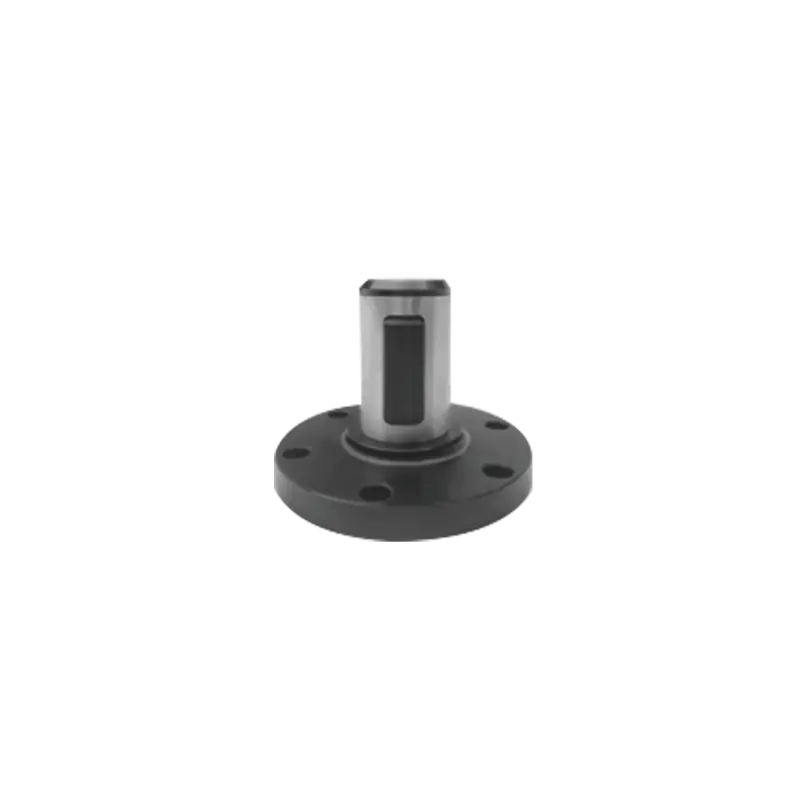
The Basic Difference, Up Front
A mechanical chuck creates its grip through physical, mechanical adjustment — an operator turns a key, tightens a mechanism, and the jaws close around the part. A hydraulic chuck skips that manual step and uses fluid pressure to do the clamping instead, which opens the door to more automated setups in the right environment.
| What you're comparing | Mechanical Chucks | Hydraulic chucks |
|---|---|---|
| How it grips | Mechanical adjustment | Fluid-powered operation |
| Operator involvement | Usually hands-on | Often integrated into automated systems |
| Maintenance | Mechanical parts, routine checks | Mechanical plus hydraulic system care |
| Best fit | Varied machining tasks | Structured production environments |
| Setup | Depends on the operator | Depends on system integration |
Really, the right pick comes down to how the chuck fits into everything else happening on the floor around it.
How Mechanical Chucks Actually Run Day to Day
There's nothing mysterious about a mechanical chuck — an operator adjusts it, the internal jaws move together, and the part gets held. It's a hands-on process, and a lot of shops genuinely like that, because you always know exactly how firmly and how a part is being gripped.
This style tends to make sense when:
- The shop runs a lot of different job types
- Setups get adjusted often between runs
- Operators want to stay directly involved in the clamping process
- Workpiece requirements shift from job to job
The tradeoff is that the experience leans on operator skill and habits — a well-trained team gets consistent results, but the process is only as reliable as the person running it.
What's Different About Hydraulic Chucks
Hydraulic chucks swap manual adjustment for fluid pressure. Instead of an operator physically tightening the mechanism, the system engages the chuck hydraulically.
That tends to appeal to shops running repeatable jobs where consistency and integration with other equipment matter more than moment-to-moment manual control. Less hands-on adjustment usually means smoother repetition once a job is dialed in.
The catch is that you're now managing a hydraulic system on top of the mechanical parts. That means paying attention to:
- The condition of the hydraulic system itself
- A maintenance routine that actually covers it
- Compatibility with the rest of your equipment
- How it fits into the broader workflow, not just the one machine
It's less "which chuck is better" and more "does your whole setup support running one of these well."
Side-by-Side: What Actually Changes
The core difference always comes back to how the grip gets created — mechanical movement on one side, hydraulic pressure on the other. That single difference ripples out into how operators interact with the machine and how well it fits different kinds of shops.
| What matters | Mechanical | Hydraulic |
|---|---|---|
| Control | Direct, hands-on | System-driven |
| Operator role | Actively involved | Requires less hands-on work in many setups |
| Complexity | Simpler overall structure | Hydraulic components add complexity |
| Workflow fit | Flexible across varied jobs | Suited to organized, repeatable production |
| Maintenance | Mechanical inspection | Mechanical and hydraulic checks |
A shop that likes staying hands-on will probably lean mechanical. A production line chasing automation and repeatability will probably lean hydraulic. Neither is wrong — it's really about what the rest of the operation looks like.
What Should Actually Factor Into the Decision
Picking a chuck involves more than reading a spec sheet. A few honest questions help:
How often does it need adjusting? If you're swapping workpieces constantly, easy adjustment matters a lot more than it would on a line running the same part for months.
Who's actually running it? Some shops lean heavily on operator experience. Others are built around standardized, repeatable processes where the person at the controls matters less. That difference alone can point you toward one option.
What does your workflow actually look like? A flexible job shop and a high-volume production line don't need the same thing here — don't pick based on features alone without thinking about how the whole floor operates.
What maintenance can you realistically commit to? Mechanical systems are simpler to keep up. Hydraulic systems ask a bit more of you, but reward that upkeep with smoother repeatable operation.
How the Application Actually Shapes the Choice
A small job shop handling different projects from week to week usually places greater importance on adaptability. A larger production floor running the same part over and over usually cares more about consistency and integration.
| Type of work | What tends to matter |
|---|---|
| Custom or one-off jobs | Flexibility, easy adjustment |
| High-volume repeat production | Consistency across the run |
| General workshop use | Ease of use, adaptability |
| Automated machining lines | How well it integrates |
| Frequently changing requirements | Simple, fast setup changes |
None of this is a hard rule — equipment design, operator skill, and production goals all factor in alongside the type of work itself.
Maintenance: What Actually Differs
Keeping either type running well is just as important as choosing the right one from the beginning.
Mechanical Chucks mostly need attention to moving parts, cleanliness, and proper adjustment over time. Hydraulic chucks need that same mechanical attention, plus ongoing care for the hydraulic system itself — checking fluid condition, watching for leaks, keeping the whole system in good shape.
A decent maintenance routine usually covers the basics either way: keep the surface clean, watch for unusual wear, follow whatever the manufacturer actually recommends, keep the work area organized, and deal with small issues before they turn into downtime. The routine that fits depends on the time, skills, and habits already established in your shop.
Can a Shop Run Both?
Absolutely — plenty of shops do exactly that. The fact that both types exist at all is basically proof that machining needs aren't identical across every job.
It's common for a company to run Mechanical Chucks for some projects and hydraulic ones for others, based on production style, how the equipment's arranged, operator preference, and what the actual workpiece demands. Rather than treating it as an either-or decision company-wide, a lot of manufacturers just match the tool to the specific job in front of them.
Where This Is Headed
Manufacturing keeps chasing smoother workflows and tighter resource management, and equipment choices are getting tied more closely to that bigger picture. A chuck isn't really an isolated piece of hardware anymore — it's one part of a system that includes the machine, the operator, the process, and the maintenance behind all of it. That broader view is why it's worth thinking past the initial purchase and toward long-term usability. Mechanical Chucks give you a direct, hands-on way to work. Hydraulic chucks offer a different path for shops that lean on integrated, repeatable operation. Looking at your actual workflow, your maintenance capacity, and what the job really demands is what points you toward the chuck that fits — not the other way around.
