


Ruian Chuangbo Machinery Co., Ltd. is specialized in manufacturing of machinery parts.
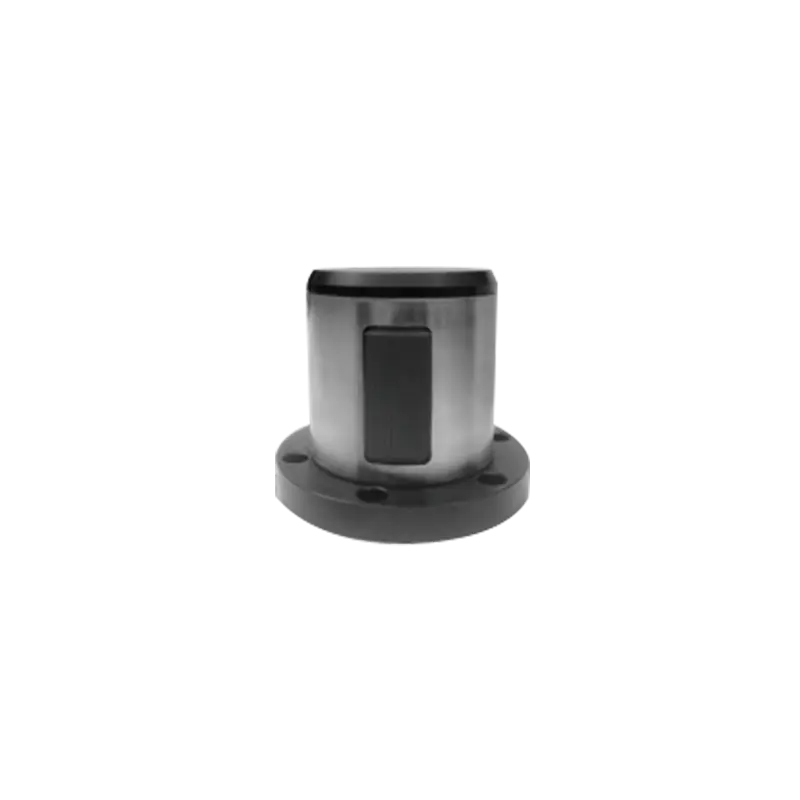
A workpiece that shifts slightly halfway through a milling pass can turn a routine job into a scrap part. A component that measures correctly at the start of a cycle sometimes ends up with an uneven surface or an out-of-round bore because the clamping setup didn't hold as firmly as it needed to. Shops running into this kind of trouble often start looking into Expanding Core Chucks because they need a way to hold a part steady without fighting the machining process itself. Precision machining depends on more than a sharp tool and a well-programmed toolpath. How the part is secured during setup influences the entire process that follows. Standard clamping methods often squeeze a part from a few outside points, which can distort thin walls or leave marks on parts that already have a finished surface. Expanding Core Chucks take a different route by gripping from inside the component instead, which changes what's possible during the cut itself. Knowing how this type of chuck actually grips a part, and where it earns its keep on a shop floor, makes it easier to decide whether it belongs in a particular setup.
Why Does Workholding Matter So Much in Precision Machining?
Every machining job starts with one basic requirement: the part has to stay exactly where it was set. If it shifts even a small amount mid-cut, the tool stops following the path it was supposed to follow, and that shows up in the finished surface or the final dimensions.
Workholding tends to get less attention than the machine or the tooling, mostly because it's not the flashy part of the job. But the connection between the spindle and the part sitting in the fixture decides a lot about how the rest of the cycle goes. A setup that holds steady lets the machine do consistent, repeatable work pass after pass.
A few workholding problems show up again and again on a shop floor:
| Challenge | Possible Impact |
|---|---|
| Limited contact area | Less stability once cutting forces build up |
| Uneven gripping pressure | Slight distortion in the part's shape |
| Difficult positioning | Setup drags on longer than it should |
| Movement during the cut | Inconsistent results from part to part |
These problems tend to show up more with parts that need a gentler touch, thin-walled rings, cylindrical stock, or anything with a surface finish that already matters before machining even starts. Expanding Core Chucks work around a lot of this by building support from inside the part instead of squeezing it from the outside.
How Do Expanding Core Chucks Hold a Workpiece?
The basic idea behind an Expanding Core Chuck comes down to internal expansion. Rather than clamping around the outside like a standard three-jaw chuck would, this design expands inward and makes contact against the inside surface of the part.
Spreading the holding force around an internal surface tends to even things out more than a handful of external clamping points can. Since the support sits inside the bore, the outside of the part stays open for the tool to work on without a fixture in the way.
The sequence itself is fairly straightforward:
- The part slides over the expanding section of the chuck
- The internal mechanism expands outward until it contacts the bore
- The part becomes supported from that center area
- Machining continues while the part stays locked in position
This type of internal grip becomes important when the outer surface needs to stay free from tool marks or when an external clamp would interfere with the cutting area. Instead of concentrating force at two or three jaw points, the load spreads across more of the internal surface, which cuts down on the kind of local stress that can nudge a thin wall slightly out of round.
What Makes Internal Clamping Useful for Precision Work?
Not every part needs the same kind of grip. Some stock can handle a firm external clamp without any issue, while other parts need something gentler to avoid marking a surface that's already been finished. Internal clamping fills that gap when both surface protection and steady support matter for the same job.
One practical upside of gripping from inside is that it frees up the entire outside of the part for machining. A shop running a second operation on the outer diameter doesn't have to work around jaws or fixture arms blocking part of the surface.
Internal clamping tends to make sense for:
- Cylindrical parts that need to stay centered through multiple operations
- Components that already carry a finished outer surface
- Parts where an external clamp would leave marks that matter later
- Jobs that need machining access around the full outside diameter
Spreading pressure evenly across an internal surface also cuts down on the risk of creating a stress point that pushes the part slightly out of shape mid-cut. That said, not every job calls for this approach. A shop running simple round bar stock through a lathe might do just fine with a standard chuck. Internal expansion earns its place specifically in situations where a standard clamp starts causing more problems than it solves.
How Can Expanding Core Chucks Help Improve Machining Stability?
Stability during a cut comes down to how consistently the machine, the tool, and the part hold their relationship to each other. When the part isn't shifting, the tool keeps following the path it's supposed to follow without any surprise deviation partway through.
Expanding Core Chucks help with this by supporting the part from the inside rather than relying purely on outer contact points. That tends to cut down on unwanted movement once the tool starts putting real cutting force into the part.
A few things play into that stability:
| Factor | Role in Machining |
|---|---|
| Internal support | Keeps the part from shifting during the cut |
| Even contact | Spreads pressure instead of concentrating it |
| Secure holding | Keeps results consistent from part to part |
| Open outer surface | Leaves the tool room to work without obstruction |
For a shop running multiple parts through the same setup during a shift, steadier workholding tends to mean less time spent double-checking positions or re-clamping between runs. That adds up over the course of a production day, even if any single adjustment only takes a minute or two.
The value of a chuck isn't just about raw grip strength either. How it supports the entire cycle, from loading to unloading, matters just as much as how tightly it holds during the actual cut.
Which Types of Components Can Use Expanding Core Chucks?
Expanding Core Chucks tend to come up specifically for parts where gripping from inside offers a real advantage over the alternative. What actually works depends on the shape of the part, the material it's made from, and what the machining operation needs access to.
Parts with a hollow center or a circular bore are often suitable for this approach, as the chuck needs an internal space where it can expand. These designs are useful when the outer surface must remain available for machining operations.
A few typical applications:
| Component Type | Why Internal Support Helps |
|---|---|
| Ring-shaped parts | Keeps the outer surface open for machining |
| Tubular components | Gives centered support along the bore |
| Precision cylindrical parts | Keeps the part positioned through multiple cuts |
| Finished surface components | Cuts down on marks from external contact |
Shop floors rarely run just one part design, so flexibility tends to matter as much as raw holding strength. A chuck that can adapt to a handful of different bore sizes or part shapes saves a shop from swapping fixtures every time a new job comes through.
Before settling on a chuck for a particular job, it usually makes sense to look at the actual part geometry and what the operation requires rather than picking a solution just because it sounds like a good fit on paper.
How Do Expanding Core Chucks Compare With Traditional Clamping Methods?
Standard chucks and external clamps still handle a huge share of machining work, and for good reason, they're well understood and they work fine for a lot of parts. They just don't cover every situation equally well.
The core difference comes down to where the holding force lands. Traditional methods grip from outside the part, while an expanding core chuck pushes outward from inside it.
| Feature | External Clamping | Internal Expansion |
|---|---|---|
| Contact position | Outside surface | Inside surface |
| External access | Often blocked by jaws or fixtures | Usually more open |
| Surface protection | Depends on contact method | Tends to reduce outside marking |
| Suitable parts | Wide range of general components | Parts needing internal support specifically |
Neither approach replaces the other across the board. What a specific job calls for usually settles the question. For parts where outer access, careful surface handling, or evenly spread support all matter at once, internal expansion tends to be worth a closer look.
What Should Buyers Consider Before Choosing an Expanding Core Chuck?
Picking a workholding solution means looking at the whole machining process rather than just the chuck sitting on a spec sheet. A setup that works well for one part might not translate to the next job that comes through the shop.
A handful of questions tend to clear things up early:
- What shape and internal geometry does the workpiece actually have?
- Does the machining operation need clear access to the outer surface?
- How much does surface protection matter for this particular part?
- How often does the setup need to switch between different parts?
- Does the shop need flexibility across a range of applications, or just one?
Material matters here too. Different metals and alloys respond differently to holding pressure, so the clamping approach needs to fit the part's actual properties rather than a generic assumption about what should work.
Maintenance and day-to-day usability count for something as well. A chuck that's easy to inspect, clean, and adjust tends to fit better into a shop's regular workflow than one that requires special handling every time it gets used.
Taking the time to evaluate all of this upfront tends to save a shop from trading one workholding headache for a different one down the line.
How Does Proper Maintenance Affect Expanding Core Chuck Performance?
Like other machining equipment, Expanding Core Chucks require regular care to maintain consistent performance throughout their service life. Metal chips, coolant residue, and ordinary wear all chip away at how smoothly the expansion mechanism operates over time.
Keeping the chuck clean protects both the contact surfaces and the internal moving parts. Catching small issues early through routine checks tends to prevent bigger problems from showing up mid-production.
A few habits that tend to help:
- Cleaning contact surfaces after each shift or job change
- Checking the moving mechanism for smooth, consistent operation
- Inspecting the gripping surface for early signs of wear
- Following the handling practices the manufacturer actually recommends
Regular care keeps the chuck delivering steady workholding across repeated jobs instead of gradually losing grip consistency as chips and wear build up unnoticed.
A workholding system does more than just keep a part from moving. It shapes how much of the surface stays accessible, how consistent the output looks from one part to the next, and how smoothly an operator can move through a shift without constantly stopping to fix a setup. Expanding Core Chucks offer an internal gripping approach that spreads contact more evenly, keeps sensitive surfaces protected, and opens up more of the part for machining at the same time. Weighing part geometry, machining requirements, and everyday shop conditions together tends to point toward a workholding setup that actually fits the job rather than one chosen off a general description.
