


Ruian Chuangbo Machinery Co., Ltd. is specialized in manufacturing of machinery parts.
Standing at a machine setup wondering whether the chuck you just installed is actually going to hold a workpiece steady enough to get a clean finish, or whether it'll shift slightly halfway through the cut and ruin an otherwise good part, is a genuinely stressful moment for anyone running a shop floor. Plenty of buyers worry about whether a chuck will grip securely, hold up through a full production run, and actually match what their specific job requires, rather than just looking capable sitting on a shelf. If you've been searching for what features actually matter in an Expanding Mandrel Chuck, sorting through the practical details before buying saves a lot of trouble once it's actually mounted and running. An Expanding Mandrel Chuck holds a workpiece from the inside, expanding outward against the internal surface rather than clamping down from the outside like more traditional methods. This approach genuinely helps in situations where the outer surface of a part needs to stay accessible during machining, but getting the benefit out of that design depends heavily on which features actually back it up.
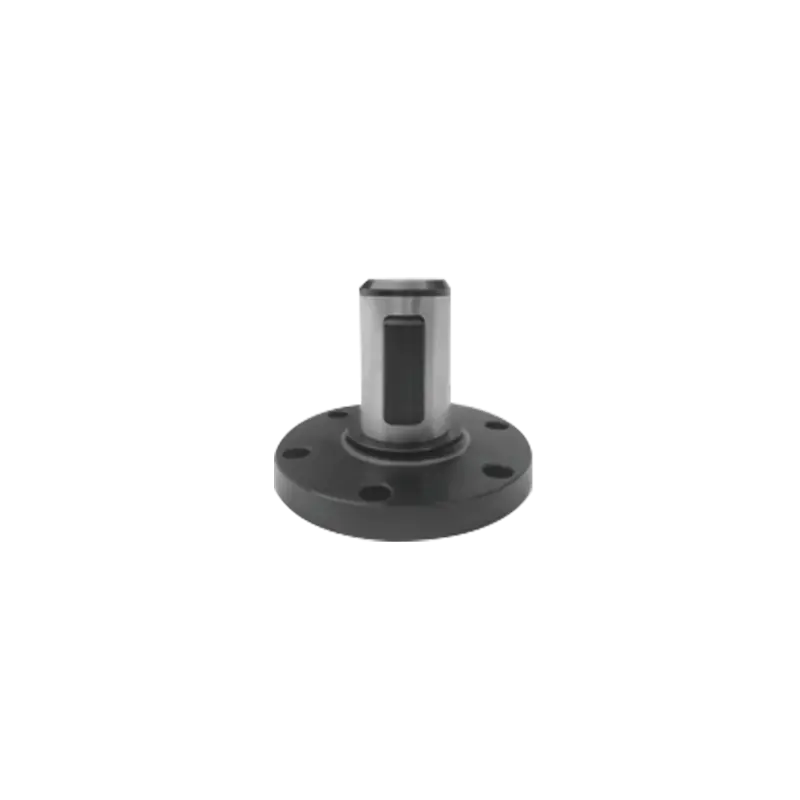
Why Does the Design Itself Matter So Much Here?
The design of an Expanding Mandrel Chuck shapes exactly how it interacts with whatever workpiece it's holding.
Unlike holding methods gripping the outside of a part, this style works from the internal area instead, which becomes genuinely useful when the outer surface needs to stay clear for machining operations. A well-thought-out design tends to focus on a few key areas:
| Area | Why It Matters |
|---|---|
| Internal expansion | Creates the actual contact holding the workpiece steady |
| Structure design | Shapes how stable the whole setup feels during use |
| Part compatibility | Determines which applications the chuck actually suits |
| User handling | Affects how smoothly daily operation goes |
A chuck that's genuinely well-designed adapts across different working situations rather than only performing well in one narrow setup.
Buyers tend to look past just the basic clamping function too, thinking about how easily the chuck can be adjusted, handled, and kept in working condition through regular production runs.
What Holding Ability Actually Deserves Attention?
Holding performance is a key consideration for many buyers when selecting an Expanding Mandrel Chuck.
A chuck needs to keep a workpiece steady while the actual machining continues without interruption, and that's a bigger ask than it sounds during a long production shift.
A few things worth paying attention to:
- How well the chuck makes contact with the workpiece itself
- Stability throughout the entire operation, not just at the start
- Positioning that stays consistent part after part
- Reliable performance across repeated use over weeks and months
The relationship between chuck and workpiece genuinely matters here. A fit that's actually suitable helps cut down on unwanted movement and creates a more controlled environment to work in. Different parts call for different holding approaches too, so thinking through the shape, material, and intended use of the workpiece beforehand helps narrow down what's actually needed.
How Does Accuracy Factor Into This Decision?
Accuracy plays a genuinely important role across plenty of machining applications.
An Expanding Mandrel Chuck needs to position a workpiece reliably, and the relationship between chuck and part directly shapes how the final machining process turns out.
A few features tied to accuracy worth considering:
| Feature Area | User Consideration |
|---|---|
| Positioning ability | Helps keep part placement consistent |
| Expansion consistency | Supports repeatable results run after run |
| Structural stability | Helps cut down on unwanted movement |
| Fit quality | Shapes the actual machining outcome |
Buyers generally look for a balance between secure holding and practical, everyday operation. A chuck that's genuinely difficult to adjust tends to create real friction during daily use, while a design supporting easier handling helps workflow move along without constant interruption.
What Role Does Flexibility Actually Play?
Manufacturing environments rarely stay static, with different workpieces and shifting requirements showing up regularly across a working week.
Flexibility lets a chuck support these varying situations without forcing constant changes to the whole working process.
A few flexibility considerations worth thinking through:
- Compatibility across different part shapes
- Adaptability when tasks shift from one job to the next
- Ease of adjustment between setups
- Support for a range of applications rather than just one
A genuinely flexible chuck tends to help companies handling multiple types of components without needing separate equipment for every variation.
That said, flexibility should match actual needs rather than getting chosen for its own sake. A feature only carries real value when it solves an actual production challenge someone's dealing with day to day. Understanding the intended application helps buyers figure out what level of flexibility genuinely makes sense for their situation.
Why Does Material Quality Matter This Much?
The materials making up a chuck shape how it performs across regular, repeated use.
A workholding component needs to handle constant contact with workpieces while still maintaining its intended function, sometimes across years of daily operation.
A few material factors worth understanding:
| Material Factor | Influence |
|---|---|
| Strength | Shapes durability throughout regular use |
| Surface condition | Affects how it makes contact with parts |
| Resistance to wear | Supports a longer working life |
| Maintenance needs | Shapes how much daily care it requires |
Material selection really should match the working environment it's headed into. A chuck running constantly in high-volume production has different demands than one used occasionally for specialized, one-off tasks. Thinking through these material characteristics ahead of time helps buyers understand how the chuck will likely hold up under the conditions they're actually working in.
How Does Ease of Use Actually Shape Buying Decisions?
A technically capable chuck still needs to be genuinely practical for whoever's operating it every day.
Ease of use affects how quickly operators can prepare workpieces and move through regular tasks without unnecessary delay.
A few user-friendly features worth looking for:
- Simple, straightforward setup
- Clear, intuitive adjustment methods
- Convenient handling during regular use
- Easy access for routine maintenance
Operators interact with this equipment constantly throughout a working day, so a design supporting comfortable operation tends to cut down on unnecessary friction. Buyers should think through not just what a chuck technically can do, but how well it actually fits into the working process on the floor.
What Maintenance Features Are Worth Looking For?
Maintenance plays a genuinely important role in managing equipment over the long haul.
A chuck that's easier to maintain helps users keep it in suitable working condition without turning routine care into a production bottleneck.
A few maintenance-related considerations:
| Area | Reason |
|---|---|
| Cleaning access | Helps clear out unwanted material buildup |
| Inspection convenience | Makes checking condition genuinely easier |
| Part care | Supports continued reliable operation |
| Adjustment management | Helps maintain proper function over time |
Regular care helps users stay aware of the chuck's actual condition rather than discovering problems mid-job. Before buying, it's worth thinking through how maintenance fits into a normal workflow, since a genuinely practical design supports both performance and the routine care that keeps performance consistent.
How Should Buyers Actually Compare Different Chucks?
Comparing Expanding Mandrel Chucks takes more than glancing at a single standout feature.
Every application brings its own specific needs, and a chuck that's a great fit for one production environment might not suit another at all.
| Consideration | Question to Ask |
|---|---|
| Workpiece type | Does it fit the parts actually being machined? |
| Holding method | Is this clamping approach suitable for the job? |
| Operation | Is it genuinely convenient for daily use? |
| Maintenance | Can routine care be managed without hassle? |
| Application needs | Does it match the actual working process? |
Working through this kind of comparison helps buyers focus on practical value rather than getting distracted by individual features in isolation. A product deserves evaluation based on how well it supports the intended application as a whole, not just how impressive any single spec looks on paper.
What Applications Actually Benefit From This Type of Chuck?
Expanding Mandrel Chucks fit situations where internal holding genuinely suits the workpiece involved.
They tend to come up in applications involving components that need their outer surface accessible during machining, whether for finishing work, inspection, or additional processing steps.
A few things worth considering for these applications:
- The actual shape of the part being held
- Specific machining requirements for the job
- Whether surface protection matters for this particular part
- How the whole production workflow is structured
Whether this type of workholding actually fits comes down to the relationship between the component and the machining process it's going through. Understanding the application clearly helps buyers decide whether an Expanding Mandrel Chuck genuinely matches what they need.
Why Focus on Practical Features Rather Than Appearance?
A chuck can look nearly identical to competing products sitting side by side, but its real value only shows up once it's actually being used on a working floor. Features like holding stability, flexibility, material selection, ease of operation, and maintenance support all shape the actual user experience far more than surface appearance ever could. An Expanding Mandrel Chuck isn't just a tool for holding parts in place. It's part of the entire machining process, and it shapes how smoothly operators get through their work day after day. Understanding which features genuinely matter helps buyers evaluate their options more clearly and choose a solution that actually fits their production environment, their specific workpiece requirements, and the daily habits of whoever's running the equipment.
