


Ruian Chuangbo Machinery Co., Ltd. is specialized in manufacturing of machinery parts.
An operator on a film-slitting line who has to wrestle a fifty-pound roll onto a shaft, fight with a stubborn clamp, then repeat the process a dozen times a shift knows exactly how much a poorly designed core connection can slow things down. When a roll is awkward to mount, doesn't sit securely once it's on, or takes too long to pull off, the effects ripple past that one station — changeovers stretch out, tension control gets harder to maintain, and operators end up spending time on the winding section instead of watching the rest of the line.
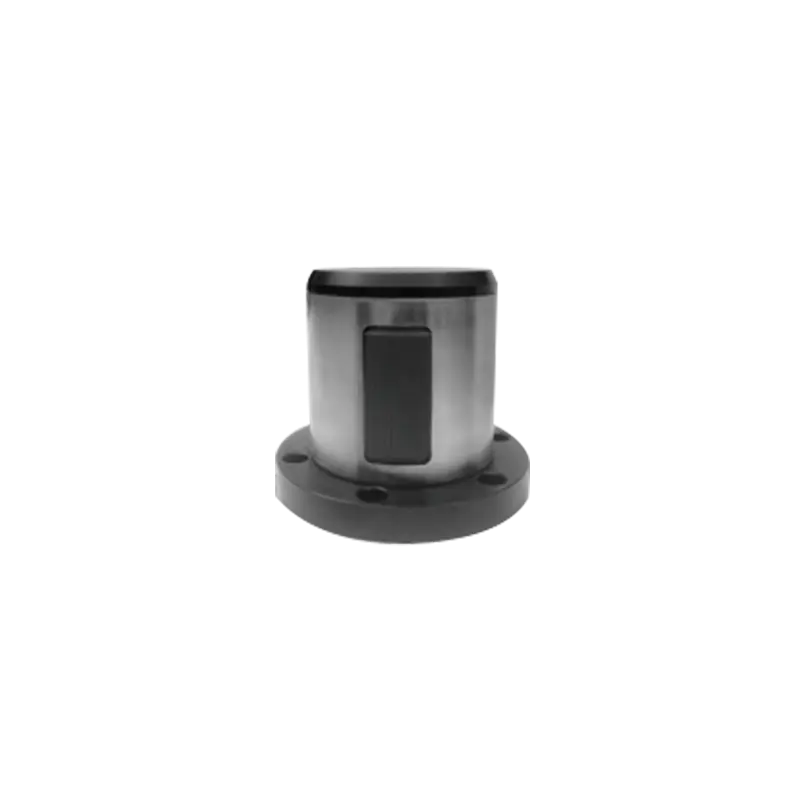
Expanding Core Chucks address that specific connection point — where the roll actually meets the machine. It's a small component compared to the rest of a converting line, but it sits right at the joint that determines how smoothly a roll goes on and comes off. That makes its design relevant to handling speed, roll stability, how easily tension gets adjusted, and how the whole shift runs day to day.
Converting lines today run everything from thin packaging film to heavy paperboard to foil laminates, and each of those materials comes wound on cores that behave a little differently under load. That variety has pushed equipment designers and component buyers to look more closely at how a core-holding system actually fits into the rest of the machine, rather than treating it as an interchangeable part.
Why Core Holding Matters on a Converting Line
A converting machine runs on controlled, continuous movement of web material — film unwinding at one end, getting processed through the middle, and rewinding at the other. The roll has to stay properly supported through all of that, and if the core connection isn't solid, even a well-built machine starts feeling difficult to run.
The core holding system is the physical link between the roll and the machine frame. It has to hold the core securely enough to handle tension during production, while still letting an operator get a roll on and off without a struggle.
That creates a few practical points equipment designers have to work through:
| Converting Requirement | Core Holding Consideration |
|---|---|
| Roll installation | Positioning and engaging the core without a fight |
| Material processing | Keeping the roll steady under running tension |
| Roll removal | Releasing cleanly when the roll runs out |
| Repeated operation | Behaving the same way roll after roll |
| Machine integration | Fitting the existing shaft and frame layout |
| Maintenance | Staying reachable when something needs attention |
The value of a good chuck becomes easier to notice on lines that handle frequent roll changes — such as a packaging plant moving between different print runs throughout a shift. Making roll loading and removal a little easier can save time as changeovers continue throughout the week.
Core holding isn't just about keeping a roll from falling off a shaft. It's tied directly to how an operator interacts with the machine, shift after shift.
How an Expanding Chuck Actually Works
An expanding chuck slides into the open end of a roll core and then expands outward to grip the inside surface. That grip is what connects the roll to the machine's drive or support shaft.
The mechanics are fairly intuitive once you see it in person. The chuck sits in a retracted position small enough to slide inside the core opening. Once the roll is slid into place over it, the chuck expands and presses against the inner wall of the core, locking the roll in position.
A rough sequence of what happens:
- The core gets slid over the chuck.
- The chuck enters the core's open end.
- The expanding elements move outward against the core wall.
- Contact is made with the inner surface of the core.
- The roll is now connected to the machine and ready to run.
- The chuck retracts and releases once that roll is finished.
Construction details vary between manufacturers — some use mechanical wedges, others rely on different expansion methods — but the underlying goal stays the same across designs.
Gripping from inside the core, rather than clamping around the outside of the roll, keeps the roll's outer surface clear. That matters on lines where sensors, guides, or web material need unobstructed access to the roll's edges during running.
What This Approach Offers During Daily Handling
Rolls on a converting line can be heavy, awkward to maneuver, or easily damaged if handled roughly — a laminate roll dented from a bad drop can turn into scrap before it ever runs through the machine. A core-holding system that works cleanly takes some of that risk out of an operator's hands.
Because the grip happens inside the core rather than around the outside, the roll stays fully accessible from the outside while the chuck does its job internally. That plays out in a few practical ways:
Roll installation — an operator slides the roll into position over the chuck, then engages the internal grip, without needing to wrestle with external clamps or brackets first.
Roll removal — once the chuck retracts, the spent roll or core comes off directly, without dismantling any separate outer holding fixture.
Repeated changeovers — on lines juggling several different production orders in a single shift, a chuck that goes on and off quickly keeps the whole changeover process from becoming a bottleneck.
Machine integration — because the mechanism works from inside the core, it doesn't add bulk around the roll's exterior, which matters on machines where shaft space is already tight.
None of these benefits show up automatically, though. The chuck still has to be matched correctly to both the core it's gripping and the machine it's mounted in.
Where Mechanical Chucks Fit Into Converting Lines
A mechanical chuck engages the core through a mechanical action — typically some kind of wedge, cam, or screw-driven expansion — rather than relying on pneumatic or hydraulic actuation.
The appeal usually comes down to simplicity. There's a direct, physical relationship between the operator's action and the chuck's grip, without air lines or hydraulic fittings adding another system to maintain.
Mechanical designs also tend to be straightforward to service — fewer moving systems generally means fewer things that can fail unexpectedly mid-shift.
A mechanical chuck tends to make sense in situations like:
- Lines where roll mounting needs to stay simple and quick
- Operations where operators want direct, hands-on control over engagement
- Machines where the mechanical layout already suits this kind of connection
- Facilities where maintenance access and simplicity matter more than automated control
- Converting processes that are fairly established and don't need adjustable engagement force
The word "mechanical" covers a fair range of actual designs, so it's worth looking past the category label. What matters is the specific operating method, how it connects to the shaft, and what kind of maintenance it actually requires on that particular machine.
When an Expanding Mandrel Chuck Makes Sense
An Expanding Mandrel Chuck works on the same basic principle — entering the core and expanding to make contact — but the term usually points to a chuck built around a mandrel shaft that the roll rides on directly during unwinding or rewinding.
This setup tends to suit machines that need a solid internal connection while keeping the roll's outer surface completely clear for downstream processing — slitting, laminating, printing, whatever comes next on that particular line.
For equipment designers, figuring out whether a mandrel chuck fits a given application comes down to a handful of specifics:
| Design Question | Why It Matters |
|---|---|
| How does it engage the core? | Determines the actual mounting method |
| How does it release? | Affects how quickly a roll comes off |
| Where does it mount on the machine? | Shapes the surrounding layout |
| What does maintenance look like? | Feeds into service scheduling |
| What core type is running through it? | Determines whether it'll actually fit |
| How often do rolls change? | Affects how much the convenience factor matters |
A mandrel chuck isn't automatically the right call just because it's a common configuration. It earns its place by actually matching the physical and operational demands of the specific line it's going onto.
How Chuck Design Shapes Changeover Time
Changeovers are where a converting line's efficiency really gets tested. A machine running a print job in the morning might need to switch to a different substrate by afternoon, and every minute spent wrestling with roll mounting is a minute the line isn't producing.
The core chuck sits right in the middle of that process, since it's involved every single time a roll goes on or comes off.
A well-designed chuck makes that sequence predictable — position the roll, engage the core, confirm it's seated, and move on. But the chuck alone doesn't solve everything. If the loading area around it is cramped or hard to reach, even a fast-engaging chuck won't speed up the overall changeover much.
That's why equipment designers usually need to think about the chuck alongside:
- How much physical space there is to load a roll
- How easily an operator can actually reach the shaft
- How the shaft itself is arranged relative to the rest of the frame
- What safety guards or interlocks are built into that area
- How precisely the core needs to align before engaging
- Where the material path runs once the roll is loaded
Getting all of these working together matters especially on lines that switch between several different roll types during a single production day — the chuck shouldn't turn into the one part of the process that trips up an otherwise smooth transition.
Why Core Compatibility Deserves Attention
A chuck only does its job when it actually matches the core it's gripping. Core inner diameter, wall thickness, material, and general condition all vary between suppliers and even between batches from the same supplier.
Some cores hold up fine through repeated handling; others start to deform or crack after enough cycles, which changes how reliably a chuck can grip them.
Buyers should nail down the actual core specifications before picking a chuck, and a few areas are worth checking specifically:
Core fit — the chuck's expansion range needs to match the core's actual inner diameter, with enough tolerance to grip securely without over-stressing the core wall.
Core condition — a core that's slightly out of round or already worn from previous use can affect how evenly the chuck seats inside it.
Roll handling — the core needs to hold up not just during mounting, but through the entire run, since tension during unwinding puts ongoing stress on that connection.
Replacement planning — if a facility switches core suppliers or specifications down the road, the existing chuck may no longer be the right match, which is worth flagging early rather than discovering mid-production.
Procurement teams who give a manufacturer clear, specific information about the roll and core they're actually running tend to get a much better recommendation than those who ask for "a chuck" without that context. A supplier working from real specifications can tell whether a standard configuration will do the job or whether something else needs to be worked out.
How Chucks Handle Different Converting Materials
Converting lines handle a genuinely wide mix of materials, and each one places different demands on how a roll gets supported. Flexible packaging film behaves nothing like heavy paperboard, and foil handles differently again from either one.
The material itself often shapes how the roll is built and what the core-holding system needs to account for.
A delicate laminate film, for example, might need gentler handling during installation to avoid creasing or stretching near the core. A heavier paperboard roll puts more mechanical load on the support system simply from its weight. A converting operation running several material types through the same line day to day needs a chuck arrangement flexible enough to handle that regular mix without constant adjustment.
| Material Category | Handling Consideration |
|---|---|
| Flexible film | Needs gentle, controlled handling during mounting |
| Paper web | Needs stable core engagement under sustained tension |
| Foil material | Benefits from controlled, careful installation |
| Labels | Needs consistent, repeatable roll positioning |
| Laminated material | Needs compatibility with a layered roll structure |
None of this means one chuck design has to handle every material a facility runs. It just means the equipment designer has to look at the full combination — the material, the roll it's wound into, the core it sits on, and the machine it's going onto — rather than picking a chuck based on one variable alone.
What to Weigh When Selecting a Chuck
Starting from the machine itself, rather than a supplier's product list, tends to produce a better outcome.
Working through these questions helps clarify what actually matters for a given line:
- What kind of roll does this specific machine handle regularly?
- What core dimensions and material are actually in use?
- How do operators currently install and remove rolls?
- How much physical space is available around the shaft for that process?
- How frequently do roll changes happen during a typical shift?
- What's the broader converting process this chuck needs to support?
- What will maintenance and servicing actually look like once it's installed?
- Does the application call for a mechanical setup, or would a different actuation method work better?
Answering these separates what's actually necessary from what's just a nice-to-have feature that doesn't affect the core decision.
It's also worth thinking through the physical space around the installation itself. A chuck that matches the roll perfectly on paper can still be a headache in practice if the machine doesn't leave enough clearance to actually install or service it.
The same logic applies to replacement purchasing. A replacement chuck needs to match the existing machine's shaft arrangement and core specifications directly — picking one just because it falls under a similar general product category tends to create fit problems down the line.
How Manufacturers Are Adjusting Chuck Design
Converting equipment keeps moving toward more practical operation, faster changeovers, and easier material handling in general — and that pressure extends down to roll-holding components like chucks.
Manufacturers have been focusing on making chuck systems easier to fit into a range of different machine frames, along with attention to how operators actually interact with them, how accessible they stay for service, how consistent they are unit to unit, and how well they handle different core specifications across a buyer's product range.
Customization becomes relevant when a standard chuck configuration doesn't line up with a specific machine's needs. That might involve adjusting:
- The mounting arrangement to fit an existing shaft
- The core engagement method for a particular core type
- How the chuck connects to the machine's drive system
- Clearance and access for the operator during loading
- Handling requirements tied to a specific material
- Constraints coming from equipment that's already installed and can't be redesigned around
Starting from a clear, specific application need matters here — swapping a component without fully understanding how it interacts with the rest of the machine can introduce new compatibility problems instead of solving the original one.
For equipment manufacturers, getting the chuck supplier involved early in the design process tends to pay off. Sharing real details about the roll, the core, the machine's structure, and the intended workflow gives the supplier something concrete to work from, rather than guessing at a generic recommendation.
As converting equipment keeps adapting to handle a wider mix of materials and production schedules, Expanding Core Chucks are increasingly evaluated as part of the whole roll-handling system rather than a standalone part. Their influence reaches past the core grip itself — into how quickly rolls get installed, how smoothly changeovers run, how much room operators actually have to work, and how well the equipment as a whole keeps up with shifting production demands.
