


Ruian Chuangbo Machinery Co., Ltd. is specialized in manufacturing of machinery parts.
A print shop operator once described the moment a roll of paper started wobbling mid-run as "the sound your stomach makes right before something goes wrong." The roll wasn't seated properly on the shaft, and by the time anyone noticed, a few hundred feet of material had already jammed and torn. That kind of headache is exactly what an Expanding Core Chuck is built to prevent — it's the part that grabs onto the inside of a roll and keeps it locked in place while the machine actually does its job. An Expanding Core Chuck holds the inner core of a roll during winding, unwinding, or general handling, creating a secure link between the roll and the machine shaft it's mounted on. It shows up constantly in printing, packaging, paper production, and textile work — basically anywhere someone's dealing with roll after roll of material that needs to spin smoothly without shifting around.
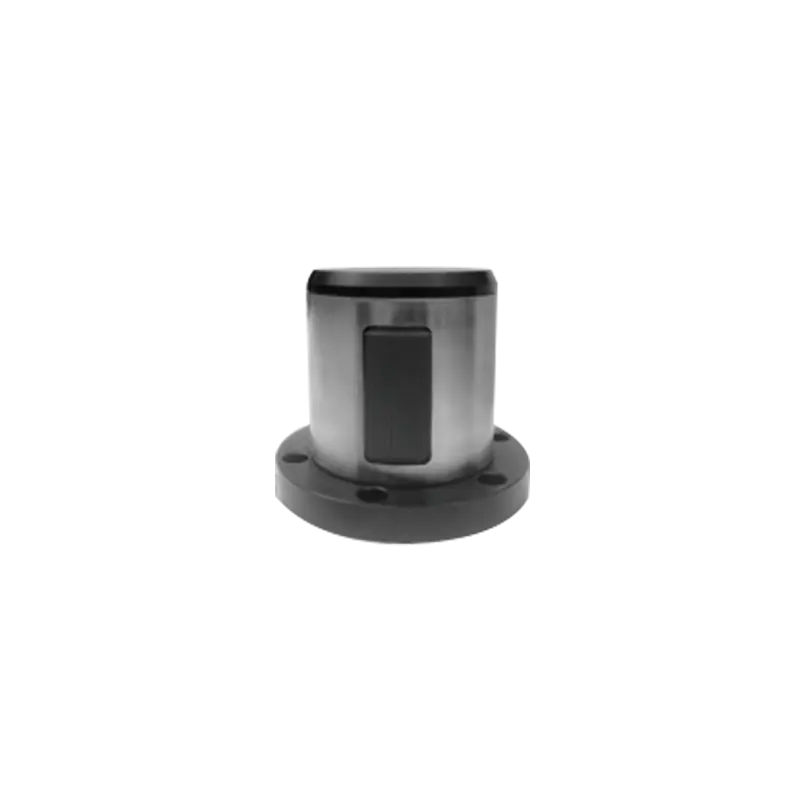
What's Actually Inside One of These Chucks?
At a basic level, this is a mechanical device that expands outward once it's inside a roll's hollow core, gripping the inner surface firmly enough that the roll and the machine shaft move as one unit instead of slipping against each other.
When a roll needs to come off — say, it's finished, or the job's switching to a different material — the chuck releases its grip and lets the operator slide the roll off without fighting it.
A typical chuck setup breaks down into a handful of parts:
| Part | What It Actually Does |
|---|---|
| Chuck body | Forms the main structure that everything else attaches to |
| Expansion mechanism | Physically grips the inside of the roll core |
| Mounting section | Connects the whole assembly to the machine |
| Control system | Manages when the chuck grips and when it releases |
These pieces work together to let a shop handle a wide mix of roll materials while keeping each roll seated firmly and predictably during operation, rather than hoping gravity and friction alone will keep things in place.
Why Does Roll Handling Actually Matter So Much on a Production Floor?
A lot of manufacturing runs depend on rolls of material feeding continuously through machinery — paper through a printing press, film through a packaging line, fabric through a textile machine. When that feed gets interrupted or the roll shifts even slightly, it tends to cascade into a bigger problem down the line.
Solid roll handling generally supports:
- material feeding that stays consistent rather than jerky or uneven
- a production process that runs in an organized, predictable rhythm
- fewer physical struggles when swapping rolls in and out
- machines and rolls actually working in sync rather than fighting each other
- reduced risk of injury when handling heavy material
Rolls often run for hours at a stretch without a break, which means the connection between the roll and the machine has to hold up reliably the entire time, not just at the start of a shift.
A properly designed core chuck helps create that dependable connection, cutting down on the kind of unexpected shifting that turns a routine production run into an unplanned cleanup job.
How Does an Expanding Core Chuck Actually Do Its Job?
The mechanism itself works by physically changing shape once it's positioned inside a roll's core. An operator slides the roll onto the chuck, then activates the expansion mechanism, which pushes outward against the inner surface of the core until it's gripping tightly enough to move with the machine rather than independently of it.
A simplified version of that sequence looks like this:
| Stage | What's Happening |
|---|---|
| Positioning the core | Sliding the roll onto the chuck before engagement |
| Expanding the chuck | Creating a firm grip against the inner core surface |
| Running the roll | Winding or unwinding material as the machine operates |
| Releasing the chuck | Letting the roll come off once the job's finished |
This basic operating principle stays fairly consistent, though the specific mechanism — whether it's air-driven, mechanical, or something else — varies depending on the equipment and what kind of roll it's designed to handle.
How Does This Actually Improve Roll Stability During Production?
A roll that's not gripping the shaft properly tends to wobble, drift, or slip during rotation, and that kind of instability rarely stays a small problem for long. It usually shows up as uneven tension, misaligned material, or outright jams that stop a production line cold.
An Expanding Core Chuck addresses that by creating a firm, consistent connection right where the roll meets the machine.
A few specific issues it tends to help with:
| Problem | How the Chuck Helps |
|---|---|
| The core shifting during rotation | Grips firmly enough to eliminate that movement |
| Rolls sitting slightly off-center | Keeps positioning consistent and aligned |
| Swapping rolls between jobs | Makes removal and reinstallation a lot quicker |
| Switching between different production runs | Adapts to different roll setups without major rework |
A roll that remains securely positioned allows the machine to feed material smoothly instead of adjusting for unwanted movement.
Where Does This Equipment Actually Show Up in Everyday Manufacturing?
Roll-based materials are used across many industries, so Expanding Core Chucks often handle important tasks in places that people may not notice in daily life.
Printing shops
Continuous rolls of paper or film run through printing equipment constantly, and keeping that roll properly seated matters for print quality just as much as it matters for avoiding jams.
Packaging production lines
Packaging film, labels, and similar roll materials need dependable handling as they feed through processing equipment day after day.
Paper manufacturing
From raw paper stock to finished rolls ready for shipping, paper production relies heavily on stable roll management at pretty much every stage.
Film and textile production
Flexible materials like plastic film or fabric depend on smooth, controlled winding and unwinding, which is a lot harder to achieve without a reliable core connection.
Each of these industries has its own specific demands, but the underlying need — a roll that stays put and spins predictably — stays pretty much the same across all of them.
How Does This Actually Help Keep Production Moving Efficiently?
Efficiency on a production floor usually comes down to how smoothly individual pieces of the process connect to each other, and roll handling is one of those pieces that's easy to overlook until it goes wrong.
A dependable core chuck supports smoother operation in a few concrete ways:
- makes installing a new roll faster and less physically demanding
- keeps rotation steady rather than introducing wobble or slippage
- simplifies the whole process of swapping materials between jobs
- helps keep the broader production schedule on track
When operators aren't fighting with a roll every time it needs to be swapped or repositioned, the whole workflow tends to move a lot more smoothly, without those small delays stacking up over the course of a shift.
The chuck ends up functioning as a genuinely important connection point, linking the physical material handling side of things with the actual manufacturing process running on the machine.
Why Does Flexibility Matter So Much in Modern Roll Handling?
Manufacturers rarely run just one type of material through their equipment day after day. A packaging line might switch between different film thicknesses, or a print shop might handle several different paper stocks in a single week.
Equipment that can adapt to those shifts without requiring a complete overhaul tends to save a lot of downtime.
Expanding Core Chucks support that kind of flexibility because their design can often accommodate different roll sizes and materials rather than being locked into one narrow use case.
Flexible handling tends to show up around:
| Situation | How the Chuck Adapts |
|---|---|
| Switching between material types | Adjustable gripping accommodates different core sizes |
| Changing production demands | Faster roll swaps support quicker job turnover |
| Running multiple applications | The right chuck design covers a broader range of uses |
| Adjusting the process on the fly | Better handling options make mid-run changes less disruptive |
As manufacturers keep expanding what they produce and how often they switch between jobs, having equipment that flexes with those changes becomes a lot more valuable than equipment built for just one narrow task.
What Should Someone Actually Think About Before Choosing a Chuck?
Picking the right Expanding Core Chuck isn't just about grabbing whatever's compatible with the machine on paper — it means actually understanding the full production environment it's going into.
A few practical questions worth working through:
| Question to Ask | Why It Actually Matters |
|---|---|
| What material is actually being run? | Different materials put different demands on the chuck |
| What machine is this going onto? | Compatibility affects how well everything integrates |
| What does the production process actually look like day to day? | Guides which specific design makes sense |
| What will ongoing maintenance realistically require? | Affects how much upkeep the equipment needs long-term |
A chuck really needs to match the specific demands of the system it's part of, rather than being chosen based on general specs alone. Getting that match right tends to make integration with existing equipment a lot smoother from day one.
How Does Regular Maintenance Actually Affect Performance?
Like mechanical equipment in general, an Expanding Core Chuck tends to work more consistently when it receives regular maintenance instead of being left until a failure occurs.
A few maintenance habits worth keeping up with:
- checking the mechanical components for wear on a regular basis
- keeping the working area around the chuck free of debris and buildup
- inspecting the connection points where the chuck meets the machine
- reviewing overall operating conditions periodically rather than only when something seems off
How often these checks actually need to happen depends a lot on the specific production environment and how heavily the equipment gets used. A shop running multiple shifts a day is going to need more frequent attention than one running occasional smaller jobs.
Keeping a planned maintenance routine in place tends to help manufacturers manage this equipment more predictably, catching small issues before they turn into a bigger production interruption.
How Does This Equipment Fit Into Where Manufacturing Is Actually Heading?
Manufacturing keeps drifting toward more efficiency, more flexibility, and more automation across pretty much every industry that relies on roll-based materials. Roll handling equipment is adapting right alongside that shift, and Expanding Core Chucks are a pretty clear example of that — they help machines handle materials more smoothly and consistently, which fits directly into what modern production floors are actually trying to achieve. Their role goes beyond just physically holding a roll in place. They contribute to a more organized workflow overall, make material changes a lot less disruptive, and help different pieces of equipment coordinate more smoothly with each other. As more industries keep relying on roll-based materials for their production, dependable core handling solutions like these keep earning their place — the same quiet, unglamorous work that kept that print shop operator's stomach from dropping the next time a roll spun up on the press.
