


Ruian Chuangbo Machinery Co., Ltd. is specialized in manufacturing of machinery parts.
A machine operator watching a roll shift slightly on the chuck mid-run, right as the line's finally hitting a good rhythm, knows exactly how much a small slippage problem can derail an otherwise smooth shift. Core slippage can turn a routine roll-handling operation into a genuinely frustrating production problem. The roll may appear properly mounted, yet movement begins during acceleration, stopping, or changes in operating conditions partway through a job. Once the core starts moving against the chuck, winding quality can suffer and the operator may need to interrupt the process entirely to sort it out.
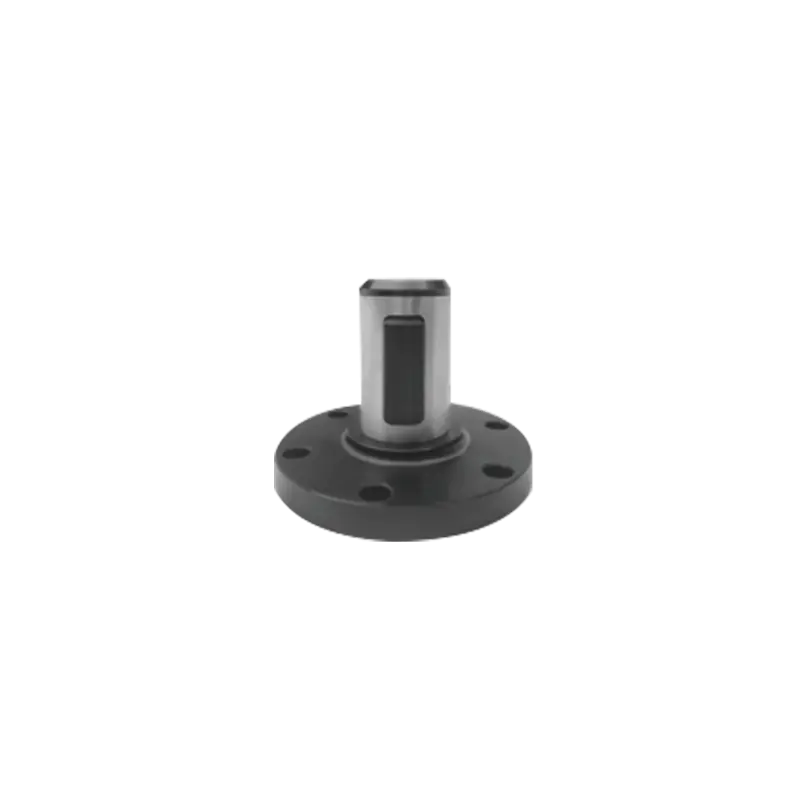
For users of Expanding Core Chucks, the problem is rarely caused by one factor alone sitting in isolation. Core condition, chuck selection, installation, clamping contact, mechanical wear, and roll operation can all influence how securely a core actually gets held during a run. Understanding these factors helps operators identify the source, instead of simply cranking up clamping force and hoping the problem disappears on its own.
An Expanding Mandrel Chuck is designed to hold a roll core by expanding into its inner surface. The same basic principle appears in different converting and web-handling applications across the industry, while Mechanical Chucks provide a practical way to secure cores during winding or unwinding operations. When the contact between the chuck and core isn't suitable, slippage can occur even when the equipment appears to be functioning normally on the surface.
Why Core Slippage Happens in Expanding Core Chucks
Core slippage occurs when the connection between the chuck and the roll core can't maintain the required grip during operation. The chuck may expand exactly as intended, but the core can still move if the contact condition underneath isn't suitable for the job.
Several factors can contribute to this situation on the floor.
| Possible Cause | What May Happen |
|---|---|
| Poor core fit | The chuck cannot maintain consistent contact |
| Damaged core | Contact becomes uneven |
| Worn chuck components | Expansion may become less effective |
| Incorrect installation | The chuck may not engage the core properly |
| Surface contamination | Contact can become less reliable |
| Excessive operating changes | The roll places greater demands on the grip |
| Uneven roll loading | Force is not distributed consistently |
| Inadequate maintenance | Small problems become more noticeable |
This makes slippage a condition worth investigating, rather than treating it as a single mechanical fault with one obvious fix. A useful inspection starts with the core itself. If the core is damaged, distorted, or inconsistent, even a properly functioning chuck may struggle to hold it securely no matter how much force gets applied.
The chuck should then get examined to determine whether its expanding sections and contact surfaces are working as intended, rather than assuming they are.
How Core Matching Affects Chuck Grip
Core matching is one of the more important factors in roll handling, though it often gets overlooked in favor of adjusting the chuck itself.
An expanding chuck needs to engage the inside of the core in a suitable way. If the core and chuck aren't properly matched, contact may end up incomplete or uneven across the surface.
This can happen when the core has an unsuitable internal condition, or when the selected chuck doesn't correspond well with the core actually being used on that run.
A practical inspection can consider:
- Core inner surface condition
- Core shape
- Core consistency from one roll to another
- Chuck compatibility
- Expansion position
- Contact between the chuck and core
A core may look acceptable from the outside while having real problems on the inside that aren't visible at a glance. Small changes in shape can affect how an Expanding Mandrel Chuck engages with it once inserted.
This matters especially when different core suppliers or core types get used in the same production environment side by side. If slippage appears only with certain rolls, the core itself deserves careful attention before anything else.
Operators can compare a problematic roll with one that runs normally on the same line. Differences in core condition may provide a genuinely useful clue about where the real issue sits.
Can Damaged Cores Cause Slippage?
Yes, core damage can interfere directly with the chuck's ability to maintain contact throughout a run.
A core can become damaged during storage, transportation, handling, or previous production operations before it ever reaches the machine. Its inner surface may become distorted, worn, or contaminated without anyone noticing right away.
When an expanding chuck enters the core, the contact may no longer be evenly distributed across the surface.
Consider several common situations:
Deformed core. A distorted core may not provide a consistent surface for the chuck to grip properly.
Damaged edge. Damage near the core opening can affect how the chuck enters and expands once inserted.
Contaminated interior. Dust, adhesive residue, or other material can interfere with contact between the surfaces.
Inconsistent core condition. If cores vary significantly between batches, operators may notice slippage on some rolls but not others running the same job.
These problems aren't necessarily caused by the chuck at all. A production team can spend considerable time adjusting the equipment when the actual issue is an unsuitable or damaged core sitting on the shaft. For this reason, core inspection should be part of the troubleshooting process from the start, not an afterthought.
How Mechanical Wear Can Affect Expanding Core Chucks
Mechanical components change through repeated use, run after run, week after week.
Contact surfaces can wear down gradually. Moving sections may become less responsive over time. Components that once moved smoothly may eventually show signs of deterioration that aren't obvious during a quick visual check.
With Mechanical Chucks, wear can affect how the chuck engages with the core in ways that don't announce themselves clearly.
The important point is that wear doesn't always produce an obvious failure right away. A chuck may still expand and retract while providing less consistent contact than expected underneath.
Signs worth checking include:
- Uneven expansion
- Unusual movement
- Visible wear on contact surfaces
- Difficulty during installation
- Changes in gripping behavior
- Repeated slippage under similar operating conditions
Regular inspection can help identify these changes before they become disruptive to a production schedule. Maintenance requirements depend on the specific chuck design in use. Operators should follow the supplier's recommended inspection and service procedures, rather than applying a generic maintenance routine to every model on the floor.
If a component is worn, replacing or servicing it may restore normal operation. Simply increasing the operating force may not address the underlying problem at all, and can actually make things worse.
Can Installation Position Cause Core Slippage?
Installation has a direct effect on how the chuck and core interact once the roll's loaded.
If the chuck isn't properly positioned inside the core, the expansion may not occur where it's actually needed. The result can be uneven contact or reduced holding stability that shows up later during the run.
Installation problems may arise when:
- The chuck is not fully inserted
- The roll is not positioned correctly
- The core opening is damaged
- The chuck is not aligned properly
- Debris is present inside the core
- The operator rushes the mounting process
A good installation routine should let the operator confirm the core is properly positioned before production actually begins, rather than checking after problems show up. It also helps avoiding forcing the core onto the chuck if the fit feels off. If something feels unusual during mounting, the cause should get checked rather than ignored and pushed through.
Small installation issues can become a lot more noticeable once the roll begins moving under real operating conditions.
How Roll Operation Influences Core Slippage
A chuck may hold a stationary roll securely without any issue, yet the same roll can slip once production actually starts.
The reason comes down to operating conditions creating changing forces throughout the run. Acceleration, stopping, winding tension, and changes in roll movement can place genuinely different demands on the connection between the chuck and core.
A roll that gets handled gently during setup may behave quite differently once production begins in earnest.
| Operating Condition | Potential Concern |
|---|---|
| Starting movement | Sudden loading can challenge the grip |
| Stopping | Changing motion may cause movement |
| Continuous winding | Uneven conditions can affect stability |
| Changing roll condition | Load distribution may change |
| Repeated operation | Wear may become more noticeable |
This doesn't mean higher operating force is always the answer to the problem. If the core is damaged or the chuck is worn, increasing force may place additional stress on the components without solving the real issue underneath. The operating process should therefore get considered alongside the physical condition of the chuck and core together, not separately.
Does Roll Alignment Affect Chuck Performance?
Alignment can influence how forces get distributed through the roll as it spins.
When a roll isn't positioned correctly, the chuck may experience uneven loading across its surface. This can affect the contact between the expanding elements and the core underneath.
Alignment problems may become a lot more noticeable once the roll is actually moving during production.
Operators can check whether:
- The roll sits correctly on the machine
- Both sides engage the core as intended
- The roll remains stable during movement
- There is unusual lateral movement
- The winding process appears uneven
A properly aligned roll allows the chuck system to perform within its intended design parameters. Alignment should be considered when slippage repeatedly occurs on one side, or when the roll appears to move unevenly during operation. This type of pattern can provide a lot more diagnostic information than a single isolated slip ever would.
What Maintenance Checks Can Help Prevent Slippage
Maintenance is a lot easier when it's built into regular equipment care, rather than treated as a reaction to production problems after they've already cost time.
The exact maintenance routine depends on the chuck design in use, but general inspection can include the condition of contact surfaces, moving components, mounting areas, and core engagement.
A practical check may include:
- Inspect the chuck for visible damage
- Check contact surfaces for unusual wear
- Remove suitable surface contamination
- Confirm that moving components operate normally
- Inspect cores before mounting
- Check the installation position
- Observe the roll during operation
- Record repeated problems for further inspection
Lubrication should only happen where the product instructions actually allow it. Some chuck designs carry specific requirements, and applying an unsuitable lubricant can create additional problems rather than solving anything.
Cleaning matters too, but cleaning methods should match the materials and construction of the chuck involved. Aggressive cleaning products or unsuitable tools may damage surfaces intended to provide contact with the core, undoing more than they fix.
Routine maintenance is more effective when it follows the manufacturer's instructions closely, rather than relying on a generic shop routine for every machine.
How Operators Can Troubleshoot Repeated Core Slippage
Repeated slippage should get approached systematically, rather than through trial and error on the floor.
Changing several conditions at the same time can make it genuinely difficult to identify the actual cause. A better approach is examining the main variables one by one, in sequence.
The following sequence can help organize an inspection:
Check the core. Look for damage, distortion, contamination, or unusual variation between rolls.
Check the chuck. Inspect the expanding sections and contact areas for wear or damage.
Check installation. Confirm the chuck is properly positioned and fully engaged in the core.
Check alignment. Look for uneven roll positioning or movement during operation.
Check operation. Observe whether slippage occurs during starting, stopping, or another specific stage of the run.
Compare different rolls. If some rolls work normally while others slip, compare their core condition and installation side by side.
This approach can prevent a lot of unnecessary adjustments down the line. For example, if slippage occurs only with a particular group of cores, replacing or adjusting the chuck may not be the right response at all. The core supply may need closer inspection instead, before touching the equipment.
If every roll shows similar behavior across the board, the chuck or installation process may deserve greater attention.
When a Chuck Should Be Inspected or Replaced
Not every instance of slippage means the chuck needs replacement right away.
A worn or damaged component may still be serviceable, depending on its construction and the manufacturer's maintenance recommendations. In other cases, continued use may genuinely not be appropriate anymore.
Signs that deserve closer attention include:
- Repeated slippage despite correct installation
- Visible damage
- Noticeable wear
- Irregular expansion
- Changes in normal chuck movement
- Increasing difficulty during roll mounting
- Unusual roll movement during operation
A maintenance professional or equipment supplier can help determine whether servicing makes sense in a given case. For buyers selecting Expanding Core Chucks, maintenance access should get considered during product evaluation upfront. A chuck that's difficult to inspect can make routine servicing a lot less convenient down the road.
Product documentation matters here too. Clear instructions can help operators understand installation, cleaning, inspection, and replacement requirements without guesswork.
How Buyers Can Select Expanding Core Chucks for Different Roll Applications
The correct chuck should match the actual roll-handling application it's going into, not a generic spec sheet.
Buyers can begin by identifying the core type, roll characteristics, machine arrangement, and operating conditions on their specific line. The chuck should then get selected around those requirements, rather than the other way around.
Important considerations may include:
| Selection Area | Why It Matters |
|---|---|
| Core compatibility | Supports appropriate engagement |
| Roll application | Influences required holding behavior |
| Machine layout | Determines installation arrangement |
| Operating pattern | Helps identify expected loading conditions |
| Maintenance access | Supports routine inspection |
| Component availability | Can simplify future servicing |
Mechanical Chucks can serve many roll-handling applications across different industries, but the exact design should get matched to the equipment and core actually in use. An Expanding Mandrel Chuck isn't simply a universal component that fits everywhere, either. Its suitability depends on how it interacts with the core, roll, and machine as a connected system.
For production teams, the goal is creating a stable connection between the chuck and core throughout the intended operating process, run after run.
Core slippage can develop when several small conditions overlap on the same job. A damaged core may reduce contact. Mechanical wear can change the chuck's behavior over time. Poor installation can prevent proper engagement, while alignment or changing roll conditions can make the problem more visible during operation. Checking the core, chuck, installation position, and operating behavior together gives maintenance teams a much clearer path toward identifying why Expanding Core Chucks are no longer holding the roll the way they should.
