


Ruian Chuangbo Machinery Co., Ltd. is specialized in manufacturing of machinery parts.
A machinist pulling a finished part off the lathe and noticing the bore diameter has drifted from the last batch, despite everything looking identical during setup, understands exactly why workholding deserves more scrutiny than it usually gets. Workholding has a genuinely direct effect on how smoothly a machining process runs from start to finish. When a workpiece isn't held in a stable and repeatable position, problems can appear during cutting, measurement, inspection, or finishing, sometimes without an obvious cause.
An Expanding Mandrel Chuck holds a workpiece from its internal surface, rather than gripping only the outside like a standard three-jaw setup. This approach can prove useful when the outer surface needs to remain accessible for machining operations happening simultaneously.
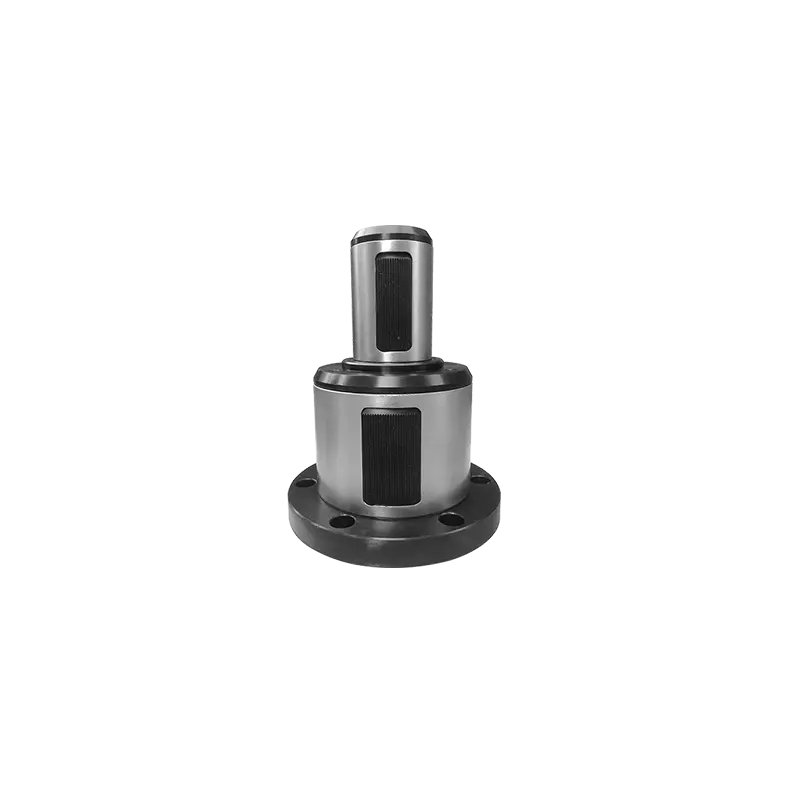
Yet internal workholding also carries its own particular challenges. Insufficient expansion, poor positioning, worn contact surfaces, incorrect setup, and changes in the workpiece can all influence the result in ways that aren't always immediately obvious.
Understanding these factors helps operators identify problems before they become repeated production issues eating into a shift's output.
Why Internal Workholding Can Become Unstable
An expanding workholding system depends entirely on contact between the expanding element and the internal surface of the workpiece.
The contact needs to be sufficient to keep the part in position throughout machining, not just at the moment of clamping. If the contact is uneven or insufficient, the workpiece may move once cutting forces get applied.
Several conditions can affect stability:
| Possible Issue | Potential Effect |
|---|---|
| Insufficient expansion | Workpiece may shift |
| Uneven internal surface | Contact may vary |
| Incorrect positioning | Part may sit off-center |
| Worn contact area | Holding may become less consistent |
| Debris inside the bore | Seating may be affected |
| Improper setup | Workpiece may not align correctly |
The issue may not always be obvious during initial setup, which is part of what makes it frustrating.
A workpiece can appear genuinely secure by hand but still move once machining forces get applied during the actual cut. This is why operators need to consider how the part behaves under actual working conditions, rather than relying only on a visual check before starting the spindle.
How Insufficient Clamping Affects Machining
Insufficient clamping is one of the more common concerns encountered in workholding across different shops.
When the internal gripping surface doesn't make suitable contact with the workpiece, the part can move during operation in ways that show up downstream.
Movement may appear as:
- Changes in surface finish
- Dimensional variation
- Unusual vibration
- Shifting during cutting
- Difficulty maintaining repeatable positioning
The source may relate to the workpiece itself or to the chuck holding it.
For example, internal surfaces can vary considerably because of previous machining, casting, forming, or finishing processes upstream. If the bore isn't consistent from part to part, the expanding mechanism may not contact it evenly across the batch.
The workholding system should therefore get selected according to the actual shape and condition of the workpiece in front of you. A gripping solution that works well for one part may not behave the same way on another part with a genuinely different internal surface.
Can Workpiece Misalignment Cause Positioning Problems?
Workholding isn't only about holding force applied at the moment of clamping.
The workpiece also needs to be positioned correctly relative to the machine and the intended cut. If the part is mounted at an incorrect position or angle, machining results can suffer even when the grip itself appears perfectly secure.
Misalignment can result from:
- Incorrect seating
- Contamination on contact surfaces
- Uneven internal geometry
- Improper loading
- Worn locating areas
- Inconsistent operator technique
The problem can become genuinely more noticeable when machining requires accurate relationships between different surfaces on the same part.
For example, a part may be held firmly in place but still produce an unwanted relationship between its internal and external features once measured. This distinction is genuinely important to understand.
A workpiece can be securely clamped and incorrectly positioned at the same time, which trips up a lot of troubleshooting. Checking both holding stability and positioning accuracy separately can provide a genuinely clearer view of what's actually going wrong.
What Role the Mandrel Condition Plays
The condition of the expanding mandrel can influence how consistently a workpiece gets held, cycle after cycle.
Repeated use can gradually affect contact surfaces and moving components, wearing them down in ways that aren't always visible right away. Small changes in contact condition can become noticeable through changes in workpiece positioning or clamping behavior over time.
Operators can inspect for several things.
| Inspection Area | What to Observe |
|---|---|
| Contact surface | Signs of wear or damage |
| Expansion components | Smooth movement |
| Locating area | Clean and consistent seating |
| Moving parts | Unusual resistance |
| Mounting area | Secure connection |
Cleaning matters here just as much as inspection.
Small particles can remain lodged between the workpiece and contact surfaces after a run. These particles may prevent the part from seating correctly on the next cycle. A clean workholding surface can help maintain consistent contact from one part to the next.
The condition of the mandrel should get reviewed as part of normal maintenance, rather than only after a serious machining problem actually appears on the floor.
How Clamping Repeatability Can Be Affected
Repeatability means the workpiece can be loaded and held in a genuinely similar position each and every time.
This matters considerably in production environments where multiple parts need to follow the same machining process without drifting apart. Several factors can influence repeatability:
- Loading method
- Workpiece condition
- Internal surface consistency
- Contact surface condition
- Operator technique
- Cleaning routine
- Workholding setup
If operators use slightly different loading methods from shift to shift, the workpiece may sit differently from one cycle to another without anyone noticing right away.
A simple and consistent loading procedure can reduce this variation considerably. The workpiece should get placed in the intended position before the expansion mechanism engages. Contact areas should remain clean, and the operator should verify the part is seated properly before starting the cut.
Repeatability is a lot easier to maintain when the workholding process stays simple and clearly defined for everyone on the line.
Why Internal Surface Conditions Matter
An expanding system depends heavily on the internal surface of the workpiece itself, more than the outer geometry.
The bore may look suitable from the outside on a quick glance, but its actual condition can vary a lot more than expected. Possible concerns include:
- Uneven surfaces
- Burrs
- Residue
- Damage
- Shape variation
- Previous machining marks
These conditions can genuinely affect contact between the workpiece and the expanding components inside it.
A burr, for example, may prevent the workpiece from reaching its intended position no matter how careful the loading. Residue can create a small gap between contact surfaces that throws off the whole setup.
The result may be reduced stability or genuinely inconsistent positioning across a batch. Inspecting the internal surface before production can therefore prove useful whenever unexplained workholding problems start showing up.
If the same issue appears only with certain batches of parts, differences in workpiece condition may deserve closer attention before blaming the equipment.
How Mechanical Chucks Can Influence Workholding Choices
Mechanical Chucks get used across many machining applications and can provide genuinely different approaches to workholding depending on the job.
External gripping can be suitable when the outer surface doesn't interfere with the machining operation planned. Internal expansion can prove useful when the outside of the workpiece needs to remain accessible for a subsequent operation.
The choice depends heavily on the part and the machining process it's headed into.
| Workholding Approach | Main Consideration |
|---|---|
| External gripping | Outer surface contact |
| Internal expansion | Bore condition and internal contact |
| Dedicated fixture | Part-specific positioning |
| Combination setup | Multiple locating requirements |
The important question isn't simply which system appears stronger on paper.
It's whether the workholding method matches the part geometry, machining access, positioning needs, and production process it's actually serving. A poorly matched system can create genuinely unnecessary problems even when the equipment itself is functioning normally.
What Installation Errors Can Affect an Expanding Mandrel Chuck
Installation influences both positioning and stability from the very start of a job.
The workholding system needs to be mounted correctly and aligned properly with the machine it's installed on. Potential installation problems include:
- Incorrect mounting
- Poor seating
- Misaligned components
- Loose connections
- Contaminated mounting surfaces
- Incorrect locating position
An installation problem can create symptoms that look exactly like workholding failure, which sends troubleshooting in the wrong direction.
For example, repeated dimensional variation may prompt an operator to inspect the expansion mechanism, even when the underlying issue comes from mounting alignment. A structured installation check can help distinguish between these causes before time is spent investigating the wrong source.
Before production begins, the mounting area should be clean and inspected. Contact surfaces should get checked carefully. The workholding system should sit correctly in its intended position on the machine.
If the machine or fixture has recently changed hands or gotten serviced, alignment should receive additional attention right away.
How Workpiece Geometry Influences Expanding Core Chucks
Expanding Core Chucks generally get selected according to the internal geometry of the part being held, rather than a generic fit.
The internal surface needs to provide a suitable area for expansion and contact across its length. Changes in workpiece geometry can affect how evenly the load gets distributed once the mandrel expands.
A long internal surface may behave genuinely differently from a short one under the same expansion force. A thin-walled part may react differently from a rigid component holding its shape. A tapered or irregular internal surface can also change the way the expanding mechanism actually contacts the part.
This means workpiece geometry should get considered before selecting a workholding method, not after problems start appearing. The goal is creating stable contact without introducing unnecessary deformation into the part.
The workpiece itself should also be strong enough for the intended holding method chosen. If the part wall is sensitive to pressure, excessive expansion may genuinely change its shape during the hold.
Workholding should therefore balance stability with the condition and structure of the workpiece actually in the chuck.
Can Clamping Problems Come From Operator Loading?
Human handling can influence repeatability quite a bit more than people sometimes assume.
Even when the equipment is functioning correctly, inconsistent loading can cause the workpiece to sit differently from cycle to cycle. Common examples include:
- Not seating the workpiece fully
- Loading at an angle
- Failing to remove debris
- Applying the expansion sequence inconsistently
- Moving the part after positioning
A clear loading routine can make these issues genuinely easier to control across a shift.
Operators can check that the internal surface is clean, position the part correctly, and confirm proper seating before beginning machining on each piece. Training also matters here more than it might seem.
When different operators use different methods on the same job, the production process may show genuinely greater variation across the run. A simple work instruction can help establish a common approach, without making the process unnecessarily complicated for anyone following it.
How Maintenance Checks Should Be Organized
Maintenance doesn't need to wait until the workholding system shows an obvious, dramatic failure.
Routine checks can focus on areas closely related to positioning and clamping, helping identify drift before it becomes a practical issue. A practical inspection may include:
- Clean the workholding contact surfaces
- Inspect the expanding components for visible wear
- Check the mounting connection
- Observe movement during expansion and release
- Inspect workpieces for burrs or residue
- Check for unusual changes in clamping behavior
- Compare workpiece positioning between production cycles
Records can also help identify genuinely gradual changes that a single inspection might miss.
If clamping becomes less consistent over time, maintenance history may reveal whether the change relates to wear, cleaning, workpiece changes, or installation conditions from an earlier date. Replacing a component without understanding the actual cause may only provide a temporary improvement that fails again later.
A broader inspection can make maintenance decisions genuinely more useful going forward.
How Production Teams Can Reduce Repeated Workholding Issues
A repeatable process begins with matching the workholding method to the actual application at hand, not a generic solution pulled off the shelf.
The workpiece geometry, internal surface, machining operation, and positioning requirements should all get considered together before committing to a setup. When a problem occurs, teams can examine the issue in stages rather than guessing at the source.
Workpiece condition → loading → positioning → expansion → machining → finished part
This sequence helps identify exactly where the change actually begins in the process.
If the workpiece is already misaligned before machining starts, cutting conditions are unlikely to be the original cause worth chasing. If the part shifts only after cutting begins, clamping stability deserves closer attention first.
If positioning changes between different operators, loading practice may be involved somewhere in the chain. If the problem appears gradually after repeated use over weeks, contact surface wear or overdue maintenance may be worth checking directly.
This approach can make troubleshooting genuinely more focused, rather than scattershot.
An Expanding Mandrel Chuck can provide genuinely useful internal workholding when its design matches the workpiece and the surrounding process stays properly controlled. The same principle applies when evaluating Mechanical Chucks or Expanding Core Chucks for a job. Workholding performance depends on the relationship between the equipment, the workpiece, installation, operation, and maintenance, rather than on any single component working alone.
