


Ruian Chuangbo Machinery Co., Ltd. is specialized in manufacturing of machinery parts.
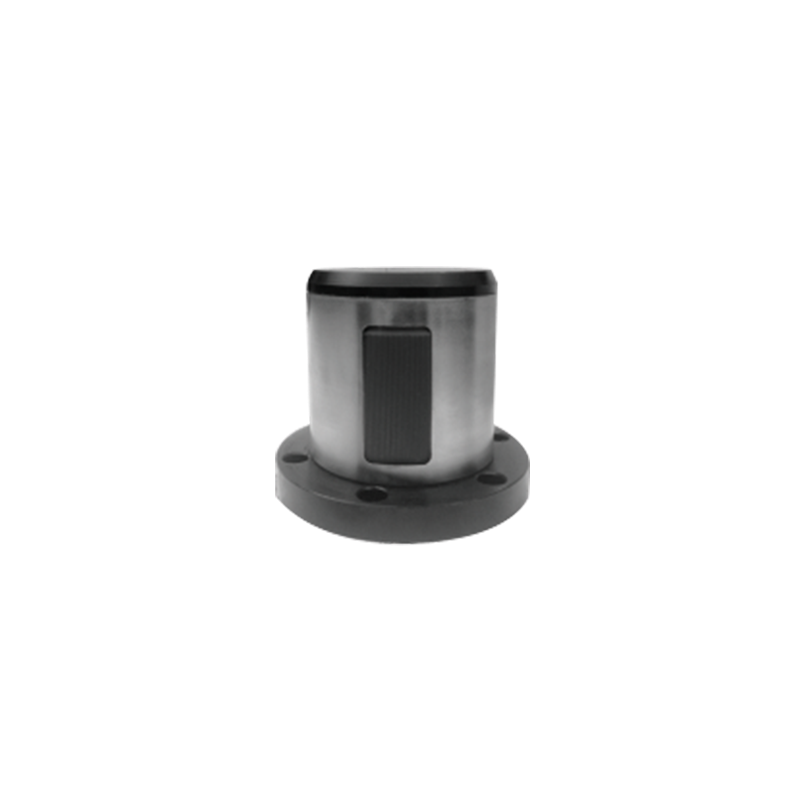
Grab a roll of packaging film or a spool of fabric off a factory shelf, and it probably feels solid enough sitting there on its own. Put that same roll onto a fast-moving production line, though, and suddenly its stability becomes a much bigger deal. Any wobble, slip, or uneven rotation during winding can throw off everything downstream, from print alignment to material tension. An Expanding Core Chuck exists specifically to prevent that problem, holding the roll firmly in place so the rest of the line can do its job without interruption.
Roll-to-roll manufacturing runs on the assumption that material moves predictably from one stage to the next. Film gets coated, paper gets printed, fabric gets processed, and all of it depends on the roll itself staying exactly where it's supposed to be during that movement.
Why Roll Stability Matters More Than It Looks
A roll spinning on a machine looks like a fairly passive part of the process, just material unwinding as the line pulls it through. In practice, that roll is doing active mechanical work, and any instability in how it's held translates directly into problems further down the line.
If a roll shifts even slightly during unwinding, the material tension across its width can become uneven. That unevenness might show up as wrinkles in a film, misaligned printing on a label, or inconsistent thickness in a coated product. None of these problems originate from the material itself. They trace back to how securely that roll was held while it was moving.
An Expanding Core Chuck addresses this at the source, creating a firm connection between the roll's core and the machine spindle, so the roll rotates as one stable unit rather than shifting independently.
What an Expanding Core Chuck Actually Is
At its core, this device is a mechanical fitting that goes inside the cardboard or plastic tube running through the center of a material roll. Once inserted, an internal mechanism causes the outer section of the chuck to expand outward, pressing firmly against the inner wall of that tube.
That expansion is what locks the roll onto the machine's spindle. Instead of the roll sitting loosely around a shaft, it becomes mechanically gripped, meaning it turns together with the machine rather than slipping or spinning independently.
| What It Does | Why It Matters |
|---|---|
| Expands inside the roll's core | Creates a secure mechanical grip |
| Locks the roll to the spindle | Keeps rotation synchronized with the machine |
| Releases when needed | Allows quick removal once the roll is finished |
| Adjusts to core dimensions | Works across rolls with slightly different core sizes |
A packaging plant switching between rolls of slightly different core diameters throughout a shift relies on this adjustability, since not every roll delivered to the line arrives with an identical core size.
Why This Component Matters So Much in Roll-to-Roll Production
Roll-to-roll manufacturing involves material constantly moving from one roll to another, often passing through multiple processing stages along the way — coating, printing, laminating, or inspection, depending on the product.
Every one of those stages depends on the roll behind it staying stable. A shift or wobble at any point in that chain tends to show up as a defect somewhere further along the line.
| Function | What It Contributes |
|---|---|
| Roll support | Keeps the material roll steady throughout operation |
| Secure connection | Cuts down on unwanted movement between roll and machine |
| Smoother handling | Makes roll changes less of a hassle for operators |
| Process consistency | Supports steady material movement across each stage |
A printing operation running continuous label production depends on this kind of stability directly, since even a small shift in roll position during printing can throw off alignment across an entire batch, creating waste that has to get discarded or reworked.
How the Mechanism Actually Works
The working principle behind an Expanding Core Chuck comes down to creating a temporary, adjustable grip inside the roll's core.
When an operator slides the chuck into position inside the core, an internal mechanism pushes the outer section outward until it presses firmly against the inner surface of that tube. That contact is what locks the roll in place, letting it rotate together with the rest of the machine during winding or unwinding.
Once that roll finishes its run through the machine, the chuck releases its grip, retracting back to its original size. The finished roll can then be lifted off and replaced with a fresh one, ready for the next cycle.
This release-and-reset cycle is part of what makes expanding chucks practical for continuous production, since operators aren't stuck with a fixed holding method that makes swapping rolls slower or more complicated than it needs to be.
What Goes Wrong Without Reliable Roll Support
Production lines running without dependable roll holding systems tend to run into a fairly predictable set of problems, even if the exact symptoms vary by industry.
- Inconsistent material movement — A roll that isn't held securely can shift slightly during operation, throwing off tension and material flow
- Difficulty handling different roll types — Facilities processing multiple materials often deal with rolls of varying weight, core size, or rigidity, and inconsistent holding makes managing that variety harder
- Slower roll changes — Operators end up spending extra time adjusting alignment or correcting positioning issues that a secure chuck would have prevented
- More frequent quality issues — Small movement problems during winding often surface later as visible defects in the finished material
A converting facility processing both thin plastic film and heavier laminated material on the same line, for example, needs a holding system flexible enough to manage both without requiring a full equipment changeover every time the material type switches.
Where These Components Show Up Across Industry
Roll-based production spans a wide range of manufacturing sectors, and Expanding Core Chucks tend to appear wherever flexible material needs to move through equipment in a controlled way.
| Industry | How the Chuck Gets Used |
|---|---|
| Packaging | Supporting roll handling during printing, laminating, and converting |
| Paper production | Managing large volumes of material moving through processing stages |
| Textiles | Holding fabric rolls steady during weaving, dyeing, or finishing processes |
| Film and label manufacturing | Keeping thin, flexible material stable during coating or printing |
A textile mill running fabric through a dyeing process depends on consistent roll rotation to make sure dye applies evenly across the material's width, and any instability in how that fabric roll is held tends to show up as visible unevenness in the finished color.
How This Component Actually Improves Daily Workflow
Manufacturers are constantly looking for ways to cut down on delays and keep production moving without unnecessary interruption. Expanding Core Chucks contribute to that goal in a few concrete ways.
- Faster roll changes — A practical holding system means less time spent manually adjusting or securing a new roll
- Smoother machine operation — A stable connection reduces the small corrections operators would otherwise need to make during a run
- Better handling flexibility — Equipment capable of accommodating different roll types adapts more easily as production needs shift
- Fewer unplanned interruptions — Reducing roll-related instability means fewer stoppages tied to alignment or handling problems
A packaging line running multiple product changeovers in a single shift benefits directly from quicker, more predictable roll swaps, since every minute spent adjusting equipment is a minute not spent producing usable material.
What to Think About When Choosing One
Picking the right Expanding Core Chuck depends heavily on matching the equipment to actual production conditions, rather than assuming one design fits every situation.
| Factor | Why It Matters |
|---|---|
| Material type being processed | Different materials place different demands on how firmly a roll needs to be held |
| Working conditions of the line | Continuous, high-speed production calls for reliable, low-maintenance operation |
| Ease of installation and use | Simpler systems reduce training time and daily operator hassle |
| Durability under repeated use | Components facing constant use need to hold up without frequent replacement |
| Flexibility for future needs | Equipment adaptable to different roll sizes offers more long-term practical value |
A facility planning to expand into new product lines down the road benefits from choosing a chuck design flexible enough to handle a range of core sizes and materials, rather than equipment built narrowly around current production needs alone.
Where Roll Handling Technology Is Headed
Manufacturing keeps shifting toward production methods that run continuously with fewer manual interventions, and roll-to-roll systems remain a core part of that shift across packaging, paper, textiles, and film production. As these industries keep demanding more flexible and dependable ways to manage material rolls, components like the Expanding Core Chuck continue quietly supporting that work behind the scenes.
It's not a flashy piece of equipment, and it rarely gets much attention outside the production floor. But every roll that spins smoothly through a printing press, a laminating line, or a fabric finishing process owes some of that smoothness to a chuck holding it firmly in place, doing exactly the job it was built for without drawing much notice at all.
