


Ruian Chuangbo Machinery Co., Ltd. is specialized in manufacturing of machinery parts.
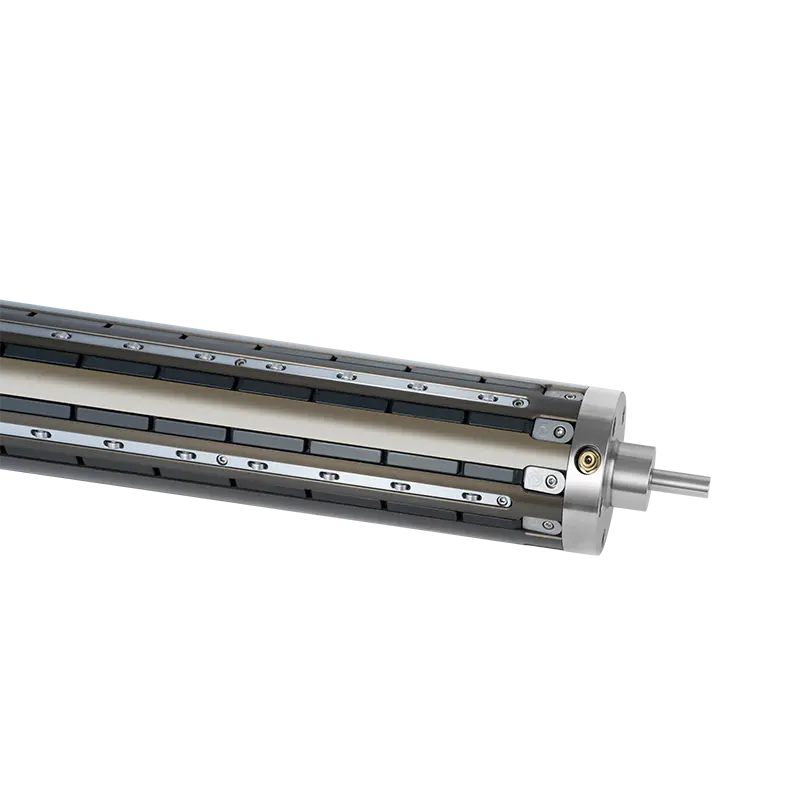
Watching a roll of material come off uneven, wrinkled on one side or loose in the middle, usually sends maintenance teams straight toward the air shaft, and for good reason. Air Shaft Parts sit at the center of tension control on nearly every winding and unwinding operation, and when something inside that assembly starts wearing down, the whole production run pays the price. Anyone dealing with recurring tension complaints from operators already knows how quickly a small inconsistency turns into scrapped material and lost time. Getting to the bottom of uneven tension means understanding what's actually happening inside the shaft assembly, not just tightening a bolt and hoping the problem goes away on its own.
What Causes Tension to Go Uneven?
Tension problems rarely come from one single cause. More often, several small issues stack up together until the combined effect becomes noticeable on the finished roll. Air pressure inside the bladder dropping below what the load actually requires is one common starting point, since a shaft that can't hold consistent internal pressure won't grip material evenly across its length.
Worn lug or leaf components create another failure path, where the gripping surface no longer engages the core material with even force from end to end. Add in a bladder that's aged past its useful flexibility, and the shaft starts behaving unpredictably even when everything else in the line looks fine.
Is It Always the Shaft, or Could Something Else Be Involved?
Not always, yet the shaft is usually a place worth checking. Misalignment during installation, worn bearings that support the shaft, or tension control settings that no longer match the material being processed can all produce symptoms that resemble a shaft problem upon a quick look.
Ruling out these adjacent causes before replacing components saves both money and downtime. Sometimes a recalibration of the tension control system solves what initially looked like a shaft failure, while other times the shaft genuinely needs attention and no amount of recalibration fixes it.
Bladder Condition: The Component Most Often Overlooked
The bladder inside a pneumatic air shaft performs the actual gripping of the core once inflated, and its condition can influence tension consistency more than many operators notice during routine checks. A bladder that's lost elasticity through repeated inflation cycles won't expand evenly, creating pressure variation along the shaft's length even when the air supply itself is working correctly.
Air Shaft Bladder Material matters here more than people initially assume. Different rubber compounds age at different rates depending on how frequently the shaft cycles through inflation and deflation, and material that's held up fine for months can suddenly start failing once it crosses a wear threshold that isn't always visible from the outside.
How Can Bladder Wear Be Spotted Before It Causes a Failure?
Catching bladder wear early usually comes down to a few observable signs:
- Uneven expansion when the shaft is inflated outside the machine, visible as bulging in certain sections more than others
- Slower pressure buildup than the shaft used to show during inflation
- Visible cracking or surface degradation along the bladder material
- Inconsistent grip felt when testing core engagement by hand before installation
Spotting these signs during scheduled maintenance windows, rather than waiting for a production run to reveal the problem, keeps unplanned downtime from stacking up unexpectedly.
Comparing Common Air Shaft Types and Their Tension Behavior
| Shaft Type | Gripping Mechanism | Typical Tension Behavior |
|---|---|---|
| Leaf Type Air Shaft | Expanding leaf segments press against core | Even distribution across leaf contact points when properly maintained |
| Lug Type Air Shaft | Lug segments engage core through bladder pressure | Sensitive to lug wear affecting even engagement |
| Multi Bladder Air Shaft | Multiple independent bladder sections | Allows sectional tension adjustment for varied core widths |
| Pneumatic Air Shaft (general) | Single or multi bladder inflation system | Overall performance depends on bladder condition and air supply consistency |
Why Do Leaf Type and Lug Type Shafts Behave Differently Under Load?
A Leaf Type Air Shaft distributes gripping force across expanding leaf segments running the length of the shaft, which tends to produce steadier engagement across wider cores. A Lug Type Air Shaft relies on individual lug sections, which can create more localized pressure points, useful in some applications but prone to uneven wear if certain lugs see more use than others.
Neither design outperforms the other universally. The right choice depends on core width, material weight, and how frequently the shaft gets swapped between different job setups. A facility running consistent core sizes might favor one type, while a facility switching frequently between narrow and wide cores might lean toward whichever design handles that variability with less recalibration.
Does a Multi Bladder Air Shaft Solve Problems Single Bladder Designs Can't?
For certain applications, yes. A Multi Bladder Air Shaft allows independent pressure adjustment across different sections of the same shaft, useful when running multiple narrower cores side by side on a single shaft rather than one continuous wide material. Single bladder designs apply pressure more uniformly across the whole length, which works fine for single-width applications but doesn't accommodate mixed-width setups as well.
Facilities running varied product widths on the same equipment often find that switching to a multi bladder configuration reduces the tension inconsistency that comes from trying to force a single-bladder shaft to handle uneven core arrangements it wasn't really designed for.
Maintenance Steps That Actually Prevent Tension Problems
Reach out with storage details or current blocking concerns, and the conversation about which film specification fits can start from there:
- Check air pressure consistency across the full length of the shaft during routine inspection
- Inspect bladder material for cracking, hardening, or uneven expansion during test inflation
- Examine lug or leaf components for wear patterns suggesting uneven engagement
- Verify Air Shaft Bladder Tubing connections aren't leaking or restricting airflow
- Test shaft alignment against bearing supports to rule out mechanical misalignment
- Keep a stock of Air Shaft Spare Parts on hand to avoid extended downtime during replacement
Skipping steps in this routine, particularly the tubing inspection, sometimes lets a small air leak go unnoticed for weeks until it finally causes a visible tension problem on the roll.
How Often Should These Checks Actually Happen?
Frequency depends on production volume and how demanding the material being processed is on shaft components. Facilities running continuous multi-shift operations naturally see faster component wear than those running lighter, intermittent schedules, so maintenance intervals should scale with actual usage rather than following a fixed calendar regardless of how hard the equipment works.
Building maintenance checks into existing changeover routines, rather than treating them as separate scheduled events, tends to catch problems earlier since operators are already handling the shaft during those changeovers anyway.
When Replacement Makes More Sense Than Repair
Some air shaft problems respond well to targeted repair — replacing a bladder, swapping worn lugs, tightening tubing connections. Others signal that the shaft itself has reached a point where repair costs approach replacement costs without delivering comparable reliability afterward.
Signs pointing toward replacement rather than repair typically include:
- Repeated bladder failures within a short timeframe despite proper maintenance
- Visible shaft body deformation affecting alignment regardless of bladder condition
- Multiple component types failing simultaneously, suggesting broader wear beyond one part
- Difficulty sourcing Air Shaft Spare Parts for an older shaft model still in service
Weighing repair against replacement honestly, rather than defaulting to whichever option seems cheaper upfront, usually produces a better long-term outcome once downtime and recurring repair costs get factored into the comparison.
Tension Control Beyond the Shaft Itself
Air Shaft Parts handle the mechanical gripping side of tension control, but the broader tension system often includes components working alongside the shaft to regulate unwind or rewind speed against material demand. An Electromagnetic Powder Brake, for instance, applies controlled resistance during unwind operations, working in coordination with shaft performance rather than replacing it.
Facilities troubleshooting persistent tension inconsistency sometimes discover that the shaft itself is functioning correctly, but the brake system paired with it needs recalibration or replacement. Checking both components together, rather than assuming the shaft alone bears full responsibility, produces a more complete diagnosis.
Should Buyers Source Shaft and Brake Components From the Same Supplier?
There's an argument for it, mainly around compatibility and support consistency. A Magnetic Powder Brake Manufacturer familiar with pairing brake systems to specific shaft configurations can help avoid mismatches between components that technically work independently but don't coordinate smoothly together under actual production load.
That said, plenty of facilities successfully mix components from different suppliers as long as compatibility gets verified upfront. What matters more than sourcing everything from one place is confirming that whatever combination gets used actually communicates correctly under the tension demands of the specific material being processed.
Sourcing Reliable Components for Long-Term Stability
Buyers dealing with recurring tension issues eventually reach a point where sourcing decisions matter as much as maintenance routines. Collaborating with a supplier that provides China-made air shaft manufacturing and a full range of spare parts tends to ease long‑term maintenance planning, as replacement parts remain available without prolonged waiting periods that could extend downtime beyond what is necessary.
Consistency across shaft types also matters for facilities running mixed equipment. Standardizing on components from a supplier who understands Leaf Type Air Shaft, Lug Type Air Shaft, and Multi Bladder Air Shaft configurations alike reduces the guesswork involved in matching replacement parts to existing equipment down the road.
Conclusion
Solving uneven tension problems consistently comes down to understanding which component inside the air shaft assembly is actually behind the inconsistency, whether that's bladder wear, lug or leaf degradation, air supply inconsistency, or a tension control system that needs recalibration alongside the shaft itself. Facilities that build regular inspection into their maintenance routines tend to catch these problems early, avoiding the scrapped material and downtime that come from letting a small issue develop into a visible production defect. Ruian Chuangbo Machinery Co., Ltd. works with facilities across winding and unwinding operations, helping match Air Shaft Parts and spare components to the specific tension demands each production line actually faces. Reach out with equipment details or a description of the tension issue at hand, and the conversation about which component solution fits can start from there.
