


Ruian Chuangbo Machinery Co., Ltd. is specialized in manufacturing of machinery parts.
Nothing kills a shift's momentum quite like an air shaft that won't inflate properly right when a roll change was supposed to take five minutes. Anyone who's stood there pumping air into a shaft that just won't grip the core knows exactly what a headache this becomes, especially when a stockroom shelf of Air Shaft Spare Parts sits somewhere but nobody's sure which one actually fixes the problem at hand. Getting a handle on what typically goes wrong, and why, saves a lot of guesswork once the troubleshooting actually starts. Most air shaft problems trace back to a handful of recurring causes, and once you know what to look for, diagnosis moves a lot faster than randomly swapping components hoping something sticks.
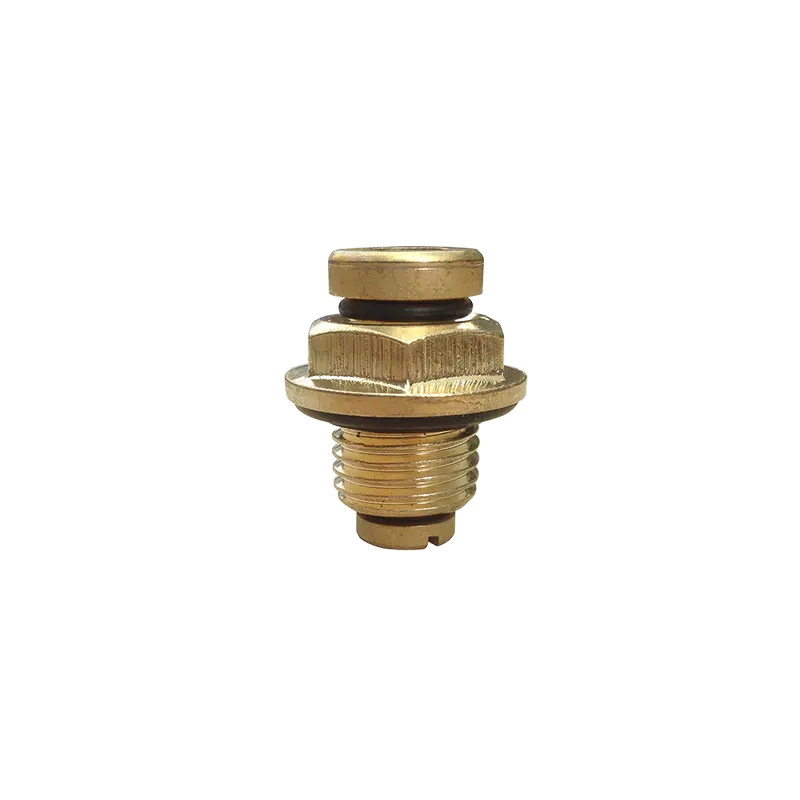
Why Won't the Shaft Inflate at All?
This is often the symptom people notice early, and it can be frustrating because the underlying cause may come from different parts of the system. Sometimes it's as simple as a valve stuck closed. Other times it's a bladder that's degraded to the point where it can't hold air pressure long enough to expand properly.
Common culprits behind inflation failure include:
- A damaged or perished bladder that no longer seals air inside properly
- Blocked or kinked tubing preventing air from actually reaching the bladder
- A faulty valve mechanism that won't open or close correctly
- Internal seal degradation around the air passage inside the shaft body
Testing air flow at each connection point, working backward from the valve toward the bladder, usually narrows down where the actual blockage or leak sits.
Is a Slow Leak Different From No Inflation at All?
It is, and the distinction matters for diagnosis. A shaft that inflates initially but loses pressure gradually points toward a small leak somewhere, often in the bladder material itself or a loose tubing connection, rather than a complete blockage. A shaft that won't inflate at all more often points toward something fully obstructed or a valve that's genuinely stuck rather than just leaking.
Distinguishing between these two symptoms early saves time, since chasing a slow leak requires different testing than hunting down a complete blockage.
Uneven Expansion: When Some Sections Grip and Others Don't
A shaft that inflates but grips unevenly along its length creates its own kind of frustration, since the core might seem secure at one end while spinning loosely at the other. This unevenness often traces back to bladder wear that isn't uniform across the shaft's length.
Sections of bladder material exposed to more repeated cycling, or areas near connection points where stress concentrates, tend to wear faster than the rest of the bladder. Over time, this uneven wear creates the exact symptom operators notice, decent grip in some spots and noticeable slack in others.
What Should Get Checked First When Grip Feels Inconsistent?
Start by inflating the shaft outside the machine and visually inspecting expansion along its full length. Sections that don't expand as fully as neighboring areas usually indicate localized bladder degradation, which points toward replacement rather than a simple air pressure adjustment.
If the bladder looks uniform but grip still feels inconsistent, checking lug or leaf components for uneven wear becomes the next logical step, since mechanical wear in these gripping elements can produce similar symptoms even with a healthy bladder underneath.
Common Air Shaft Failure Causes Compared
| Symptom | Likely Cause | Typical Fix |
|---|---|---|
| No inflation at all | Blocked tubing, faulty valve, or fully failed bladder | Inspect and replace affected component |
| Slow pressure loss | Small bladder leak or loose tubing connection | Reseal or replace bladder, tighten connections |
| Uneven expansion along length | Localized bladder wear or uneven lug wear | Replace bladder or affected lug sections |
| Core spinning despite inflation | Worn lug or leaf gripping surfaces | Replace worn gripping components |
| Difficulty deflating | Stuck valve or internal seal degradation | Inspect and replace valve mechanism |
Why Does the Core Still Spin Even After the Shaft Inflates?
This particular symptom trips people up because it seems like the shaft is working correctly, air goes in, the bladder expands, yet the core still rotates independently rather than gripping tightly. Usually this points toward worn gripping surfaces rather than an air system problem at all.
Lug type air shaft and leaf type air shaft designs both rely on physical gripping surfaces pressing against the core once the bladder expands. If those surfaces have worn smooth or developed uneven contact patterns, the core won't grip securely even with proper air pressure behind the bladder.
How Can You Tell Whether It's the Bladder or the Gripping Surface at Fault?
A reasonably reliable test involves inflating the shaft outside the machine and manually checking resistance when trying to rotate a test core by hand. Strong, even resistance suggests the gripping surfaces are functioning correctly, pointing troubleshooting back toward air pressure or bladder issues. Weak or inconsistent resistance despite full inflation usually confirms the problem sits with worn lug or leaf components rather than the air delivery system itself.
Tubing and Connection Problems That Get Overlooked
Air shaft bladder tubing carries pressurized air from the valve into the bladder chamber, and this tubing sits in a position where damage isn't always immediately obvious during routine inspection. Kinks, cracks, or loose fittings along this tubing path create air loss that mimics bladder failure symptoms without the bladder actually being at fault.
A few tubing-related checks worth including in routine troubleshooting:
- Inspect tubing along its full length for visible cracking or kinking
- Check fitting connections for looseness where tubing meets the valve or bladder chamber
- Test for air leaks at each connection point using a simple soap solution to spot bubbling
- Confirm tubing material hasn't hardened or become brittle from repeated temperature exposure
Skipping tubing inspection in favor of jumping straight to bladder replacement sometimes means replacing an expensive component when a simple tubing fix would have solved the problem.
Multi Bladder Air Shaft Systems: A Different Troubleshooting Approach
Shafts using a multi bladder air shaft configuration introduce additional complexity during troubleshooting, since each bladder section operates somewhat independently. A problem affecting one section doesn't necessarily indicate a system-wide failure, and diagnosis needs to account for this sectional independence.
- Test each bladder section separately rather than assuming a problem in one section reflects the entire shaft's condition
- Check for cross-contamination between sections, where air from one bladder chamber might be leaking into an adjacent section through a damaged internal divider
- Confirm each section's valve operates independently, since a shared control issue would affect multiple sections simultaneously rather than just one
Does This Sectional Design Make Troubleshooting Harder or Easier?
In some ways both. Sectional independence means a problem in one area doesn't necessarily compromise the whole shaft, which is genuinely useful for facilities running mixed-width cores. That said, it also means troubleshooting takes longer, since each section needs individual testing rather than assuming a single diagnosis applies across the entire shaft length.
Facilities running multi bladder configurations regularly benefit from building sectional testing directly into their standard troubleshooting routine, rather than treating the shaft as a single unified unit during diagnosis.
Air Shaft Bladder Material Degradation Over Time
Bladder material does not usually fail suddenly. It degrades gradually through repeated inflation cycles, temperature exposure, and general aging of the rubber compound itself. Recognizing early signs of this degradation helps catch problems before they cause a complete failure mid-production.
Signs worth watching for during routine inspection:
- Surface cracking or a slightly chalky texture developing on the bladder material
- Reduced elasticity noticeable when the bladder is manually flexed during inspection
- Slower inflation response compared to how the shaft performed when newer
- Visible discoloration that might indicate chemical degradation from exposure to certain lubricants or cleaning agents
Catching these signs during scheduled maintenance, rather than waiting for a complete failure during active production, keeps downtime considerably more manageable.
Building a Stock of Reliable Replacement Components
Facilities dealing with recurring air shaft issues benefit from keeping essential Air Shaft Spare Parts on hand rather than waiting for a failure to trigger an emergency order. Components worth stocking typically include:
- Replacement bladders matched to the specific shaft model and size in use
- Spare tubing sections and fittings for quick replacement during troubleshooting
- Valve assemblies, since these components tend to fail unpredictably compared to more gradual bladder wear
- Lug or leaf gripping components matched to the shaft type used more frequently by the facility
Having these components available on site turns what could be a multi-day production delay into a same-shift repair, which matters considerably for facilities running tight production schedules.
How Often Should Spare Parts Inventory Get Reviewed?
Reviewing spare parts stock alongside routine equipment maintenance, rather than treating inventory as a separate task, keeps stock levels aligned with actual usage patterns. Facilities running heavier production schedules naturally cycle through spare components faster than those running lighter, intermittent operations, so review frequency should reflect actual usage rather than following a fixed schedule regardless of how hard the equipment works.
When Air Shaft Problems Point Toward Broader Tension Control Issues
Sometimes what looks like an air shaft failure actually traces back to a broader tension control problem involving components working alongside the shaft. An electromagnetic powder brake, for instance, might apply inconsistent resistance during unwind operations, creating symptoms that resemble shaft grip problems even when the shaft itself is functioning correctly.
Ruling out these adjacent components before assuming the pneumatic air shaft itself has failed prevents unnecessary component replacement when the actual problem sits elsewhere in the broader tension system.
Should Facilities Source Air Shaft Components and Brake Systems Together?
There's a reasonable case for it, particularly around ensuring compatibility between components that need to work in coordination. Working with a magnetic powder brake manufacturer familiar with pairing brake systems to specific shaft configurations can reduce mismatches that create confusing symptoms during troubleshooting, since inconsistent behavior between a shaft and its paired brake system doesn't always point clearly toward one component or the other without careful testing.
Air Shaft Bladder Material Degradation Over Time
Bladder material typically does not experience sudden failure. It degrades gradually through repeated inflation cycles, temperature exposure, and general aging of the rubber compound itself. Recognizing early signs of this degradation helps catch problems before they cause a complete failure mid-production.
Signs worth watching for during routine inspection:
- Surface cracking or a slightly chalky texture developing on the bladder material
- Reduced elasticity noticeable when the bladder is manually flexed during inspection
- Slower inflation response compared to how the shaft performed when newer
- Visible discoloration that might indicate chemical degradation from exposure to certain lubricants or cleaning agents
Catching these signs during scheduled maintenance, rather than waiting for a complete failure during active production, keeps downtime considerably more manageable.
Building a Stock of Reliable Replacement Components
Facilities dealing with recurring air shaft issues benefit from keeping essential Air Shaft Spare Parts on hand rather than waiting for a failure to trigger an emergency order. Components worth stocking typically include:
- Replacement bladders matched to the specific shaft model and size in use
- Spare tubing sections and fittings for quick replacement during troubleshooting
- Valve assemblies, since these components tend to fail unpredictably compared to more gradual bladder wear
- Lug or leaf gripping components matched to the shaft type used regularly by the facility
Having these components available on site turns what could be a multi-day production delay into a same-shift repair, which matters considerably for facilities running tight production schedules.
How Often Should Spare Parts Inventory Get Reviewed?
Reviewing spare parts stock alongside routine equipment maintenance, rather than treating inventory as a separate task, keeps stock levels aligned with actual usage patterns. Facilities running heavier production schedules naturally cycle through spare components faster than those running lighter, intermittent operations, so review frequency should reflect actual usage rather than following a fixed schedule regardless of how hard the equipment works.
When Air Shaft Problems Point Toward Broader Tension Control Issues
Sometimes what looks like an air shaft failure actually traces back to a broader tension control problem involving components working alongside the shaft. An electromagnetic powder brake, for instance, might apply inconsistent resistance during unwind operations, creating symptoms that resemble shaft grip problems even when the shaft itself is functioning correctly.
Ruling out these adjacent components before assuming the pneumatic air shaft itself has failed prevents unnecessary component replacement when the actual problem sits elsewhere in the broader tension system.
Should Facilities Source Air Shaft Components and Brake Systems Together?
There's a reasonable case for it, particularly around ensuring compatibility between components that need to work in coordination. Working with a magnetic powder brake manufacturer familiar with pairing brake systems to specific shaft configurations can reduce mismatches that create confusing symptoms during troubleshooting, since inconsistent behavior between a shaft and its paired brake system doesn't always point clearly toward one component or the other without careful testing.
Sourcing Dependable Parts for Long-Term Reliability
Facilities dealing with recurring air shaft issues eventually reach a point where sourcing reliable components matters as much as troubleshooting skill. Working with a supplier offering China air shaft manufacturing alongside a full range of spare components simplifies this process, since replacement parts stay available without extended wait times that could turn a routine repair into a prolonged production delay.
Consistency matters too, particularly for facilities running various expanding air shaft or expandable shaft configurations across different equipment lines. Standardizing spare parts sourcing across pneumatic expanding shaft models reduces the guesswork involved in matching replacement components to existing equipment down the road.
Troubleshooting recurring air shaft problems ultimately comes down to methodically ruling out each potential cause, whether that's bladder degradation, tubing damage, worn gripping components, or a valve that's simply stuck, rather than guessing at solutions and hoping something works. Facilities that build systematic testing into their maintenance routine tend to catch developing issues early, keeping downtime manageable and avoiding the kind of surprise failure that stalls an entire production run. Ruian Chuangbo Machinery Co., Ltd. works with facilities across winding and unwinding operations, helping match Air Shaft Spare Parts and troubleshooting support to the specific equipment challenges each production line actually faces. Reach out with equipment details or a description of the symptoms you are seeing, and the discussion about suitable components or repair options can begin from there.
