


Ruian Chuangbo Machinery Co., Ltd. is specialized in manufacturing of machinery parts.
A blower running constantly at full load just to keep up with demand it was never sized for. An energy bill that keeps climbing even though nothing about the process changed. A maintenance team replacing bearings and seals far more often than they expected, because the unit installed years ago was simply the wrong fit from day one. These are the kinds of problems that surface when equipment selection gets rushed, and learning how to select a centrifugal blower properly from the start is what keeps a process running the way it should without quietly draining the budget month after month.
Choosing the right blower is not a matter of picking the model with the longer specification sheet or the better‑known brand name. It comes down to understanding the actual demands of the process, airflow, pressure, the nature of the air or gas being moved, and how the equipment will run day to day. Working through these factors in order gives engineers and procurement teams a much clearer path to a unit that performs reliably without being oversized, undersized, or mismatched to the job at hand.
What Does a Centrifugal Blower Actually Do?
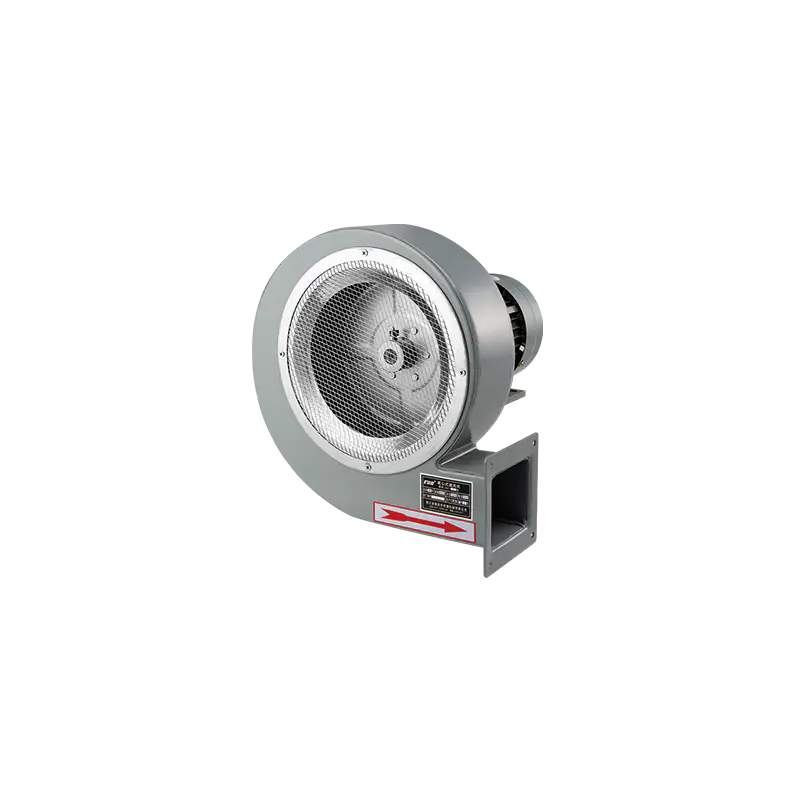
Understanding the Basic Working Principle
A centrifugal blower moves air or gas by accelerating it outward through a rotating impeller, converting that motion into pressure and flow. This differs from axial fan designs, which push air along a straight path rather than redirecting it outward through centrifugal force. The distinction matters because it directly affects how much pressure a unit can generate relative to its physical size.
Why Does This Distinction Matter for Selection?
Knowing how the equipment generates pressure helps explain why centrifugal designs tend to handle higher static pressure demands more effectively than axial alternatives. Processes involving resistance, ductwork, filters, or material being conveyed through pipes typically need that pressure-generating capability, which is part of why centrifugal designs show up so consistently across industrial ventilation, dust collection, and process air applications.
The Core Selection Factors That Actually Matter
Airflow Requirements Come First
Every selection process should start with a clear picture of how much air the application actually needs moved, measured in volume over time. Underestimating this figure leads to a unit that cannot keep pace with the process, while overestimating it results in oversized equipment that wastes energy running well beyond what the application requires.
How Much Pressure Does the System Actually Demand?
Static pressure requirements vary enormously between applications. A simple ventilation task may need very little resistance overcome, while a process involving long ductwork runs, filtration stages, or material conveying through pipes demands considerably more pressure capability from the equipment moving that air.
Is Temperature a Factor in This Application?
It often is, and overlooking it leads to equipment failures that have nothing to do with airflow or pressure miscalculation. Some applications move ambient air, while others handle heated process gases. Equipment not rated for the actual operating temperature can experience accelerated wear or outright failure regardless of how well airflow and pressure were matched.
What Is Actually Moving Through the System?
Air quality affects equipment longevity in ways that are easy to overlook during initial selection. Key questions worth asking include:
- Does the air stream carry dust, particulate, or abrasive material that could wear internal components faster than clean air would
- Is there any corrosive content involved, whether from chemical processing, wastewater treatment, or similar environments
- Does humidity or moisture content in the air stream create a risk of internal corrosion over time
- Will the equipment need specialized coatings or materials to handle the specific air quality involved
Continuous Operation or Intermittent Use?
Duty cycle expectations shape equipment selection just as much as airflow and pressure figures. A unit expected to run continuously, day after day without rest, faces very different wear and cooling demands than one used only intermittently throughout a shift.
Large Centrifugal Blower vs Multistage Centrifugal Air Blower
What Separates These Two Equipment Categories?
These two categories of equipment are built around different performance priorities, and understanding that difference is central to making the right choice. A Large Centrifugal Blower is generally designed around moving substantial air volume at moderate pressure levels, while a Multistage Centrifugal Air Blower is built to generate higher pressure output through multiple compression stages working in sequence.
Comparing Performance Characteristics
| Characteristic | Large Centrifugal Blower | Multistage Centrifugal Air Blower |
|---|---|---|
| Primary strength | High airflow volume | Higher pressure generation |
| Typical pressure range | Moderate | Higher |
| Structural complexity | Simpler, single stage | More complex, multiple stages |
| Common use case | Ventilation, dust collection, material conveying | Process air, aeration, pneumatic conveying |
| Continuous duty suitability | Good for a variety of general applications | Strong, often built for sustained process demands |
| Energy efficiency at rated conditions | Generally efficient for high volume needs | Efficient when matched correctly to pressure demand |
Which Operating Requirement Points Toward Which Equipment?
A practical way to approach this decision is matching the dominant requirement to the equipment category built around it:
- Applications driven primarily by high airflow needs, such as factory ventilation or dust collection, generally align with the large centrifugal category
- Applications requiring sustained high pressure output, such as wastewater aeration or pneumatic conveying over distance, typically call for the multistage configuration
- Processes involving both significant volume and elevated pressure may need a more detailed engineering review to confirm which category, or which specific model within that category, actually fits
Should You Prioritize Pressure or Airflow When the Two Conflict?
Why This Tension Comes Up So Often
Many buyers approach blower selection assuming airflow and pressure can both be maximized without trade-offs, but equipment design rarely works that way in practice. A unit optimized heavily for volume tends to sacrifice some pressure capability, and a unit built for high pressure output typically moves less total volume per stage compared to a large single-stage design.
How to Resolve the Conflict in Practice
When airflow and pressure requirements seem to pull in different directions, working through the actual process constraints usually clarifies the priority:
- Identify which requirement, if not met, would actually stop the process from functioning correctly
- Determine whether the application has any flexibility in ductwork design or system layout that could reduce pressure demand
- Consider whether a multistage configuration could deliver adequate airflow while still meeting the pressure requirement that a single-stage unit could not achieve
Matching Equipment to Industry Applications
Does Industry Context Change the Selection Logic?
It does, considerably. While the underlying selection factors stay consistent, different industries tend to weight those factors differently based on the nature of their processes.
Common Industry Patterns Worth Recognizing
- Water and wastewater treatment operations frequently lean toward multistage configurations to support aeration processes requiring sustained pressure output
- Cement, steel, and heavy industrial ventilation applications often favor large centrifugal designs suited to moving substantial air volume through dust collection or general ventilation systems
- Food processing applications may require equipment built with materials and designs suited to maintaining air quality standards relevant to that industry
- Chemical processing environments often demand particular attention to corrosive air quality factors alongside standard airflow and pressure calculations
Looking Beyond Specifications: Lifecycle Cost Considerations
Why Initial Purchase Price Rarely Tells the Full Story
Equipment that appears less expensive upfront can end up costing considerably more across its working life if it runs inefficiently or requires frequent maintenance. A complete cost evaluation should weigh purchase price against ongoing energy consumption, maintenance frequency, and expected service life.
What Should Buyers Actually Compare?
A reasonable lifecycle cost comparison includes:
- Energy consumption under the actual operating conditions the equipment will see, not only at its rated performance.
- Expected maintenance intervals and the cost of components likely to need replacement over time
- Anticipated service life under the specific duty cycle and air quality conditions involved
- Availability of spare parts and technical support, which affects how quickly a unit can return to service after any issue
Evaluating Supplier Capability Before Committing
What Should Buyers Ask Beyond Equipment Specifications?
Selecting the right equipment category only solves part of the procurement challenge. Supplier capability matters just as much, particularly for applications involving unusual operating conditions or specific industry requirements.
Questions Worth Raising With Any Potential Supplier
- Can the supplier provide customization options when standard models do not fully match the application's airflow, pressure, or air quality requirements
- What kind of after sales support and technical service is available once equipment is installed and running
- Does the supplier have demonstrated experience with similar industry applications, rather than only general industrial equipment
- Are energy efficiency considerations built into the supplier's recommendations, or does the conversation stay limited to basic specification matching
Working through airflow requirements, pressure demands, temperature and air quality conditions, and expected duty cycle before settling on a final equipment category gives engineers and procurement teams a much stronger foundation for a decision that will hold up across years of operation rather than just looking reasonable on paper at the time of purchase. Comparing a Large Centrifugal Blower against a Multistage Centrifugal Air Blower in light of these specific process requirements, rather than defaulting to whichever category seems more familiar, tends to produce equipment selections that actually match the job rather than forcing the process to adapt around equipment limitations. Lifecycle cost considerations and supplier capability deserve just as much attention as the technical specifications themselves, since a well-matched unit from an unreliable supplier can still create ongoing headaches that erode any efficiency gained from correct sizing. Ruian Chuangbo Machinery Co., Ltd. works with engineers, plant managers, and procurement teams through exactly this kind of evaluation process, helping match centrifugal blower configurations to the real operating conditions a process will face rather than relying on generic recommendations. Reaching out to discuss specific airflow, pressure, and application requirements is a sound next step for anyone ready to move from general research into a confident equipment decision.
