


A slitting line that loses tension consistency halfway through a run, or a chuck that needs full disassembly for what should have been a five-minute bladder swap, usually traces back to one decision made long before the machine ever started production: which air shaft structure was actually specified for the job. A Multi Bladder Air Shaft and a single tube design solve the same basic problem — expanding to grip a roll core and releasing cleanly afterward — but they get there through different internal architecture, and that difference shows up directly in repair time, service life, and how forgiving the shaft is when one section of it eventually wears out.
What Separates These Two Structures at a Basic Level
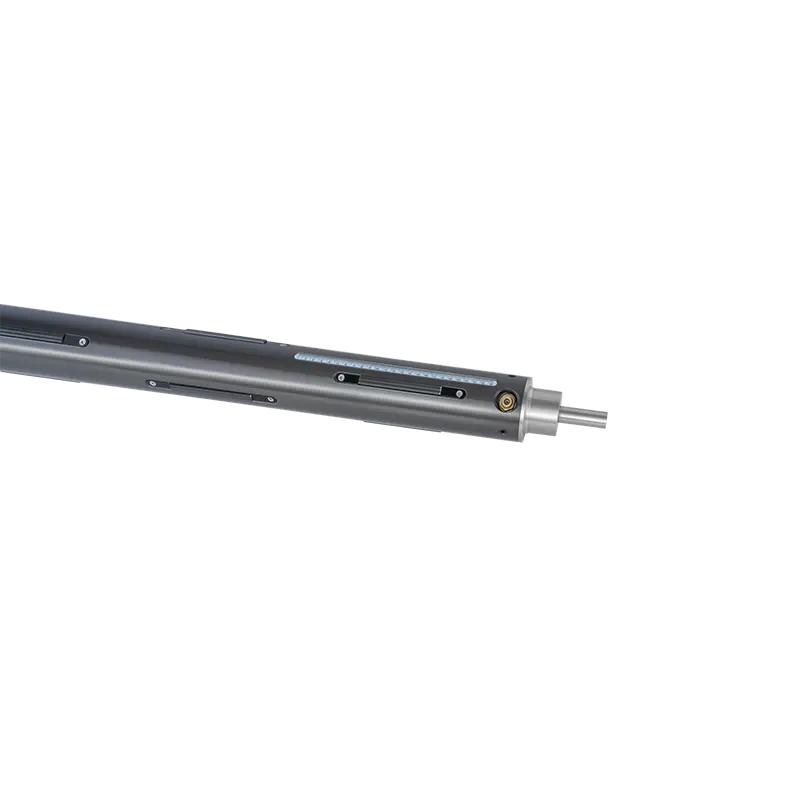
Single Tube Design Relies on One Continuous Bladder
A single tube air shaft uses one long bladder running the full length of the shaft body, inflated through a single air inlet to expand the lug or leaf mechanism uniformly along that entire length. The simplicity here is the point — fewer components, fewer potential failure points in the air path, and a structure that's straightforward to manufacture and inspect.
Multi-Bladder Design Segments the Shaft Into Independent Sections
A Multi Bladder Air Shaft instead divides the shaft into separate sections, each with its own bladder, inflated either through a shared manifold or through individual inlets depending on the specific design. This segmentation means each section can be addressed independently — inflated, deflated, repaired, or replaced — without requiring the entire shaft length to be involved in that process.
Why This Distinction Actually Matters in Daily Operation
The structural difference sounds minor on paper, but it determines what happens the day a bladder eventually fails, which roll widths the shaft can practically accommodate, and how much downtime a repair actually costs the line. None of this is theoretical — it's the lived experience of anyone who has had to pull an entire single tube shaft out of service because one localized section gave out.
How Each Structure Performs Under Real Operating Conditions
Tension Uniformity Across the Shaft Length
A single tube design, because it inflates as one continuous unit, generally delivers very even pressure distribution along its length, provided the bladder itself is in good condition throughout. A Multi Bladder Air Shaft can achieve similarly even tension, but only if each individual bladder section is inflated to a matched pressure — inconsistency between sections, if it develops, shows up as uneven gripping along the roll rather than as a uniform problem the way a single tube failure typically would.
Handling Multiple Narrow Rolls on One Shaft
Where the multi-bladder approach earns its place is in applications running several narrow rolls side by side on the same shaft, each needing independent chucking control. A single tube shaft inflates as one piece, meaning every roll on it shares the same pressure and release timing. A multi-bladder structure lets each roll's section be controlled independently, which matters considerably in slitting and rewinding operations where roll widths and tension requirements vary across a single shaft run.
Response to Localized Wear
Wear on an air shaft rarely happens uniformly along its full length. The sections under the frequent core contact, or exposed to the aggressive core insertion and removal, tend to degrade faster than the rest of the shaft. On a single tube design, localized wear anywhere along the bladder eventually compromises the whole unit, since the bladder is one continuous piece. On a multi-bladder shaft, that same localized wear stays contained to its specific section, leaving the rest of the shaft fully functional while only the affected segment needs attention.
Comparing Repair and Maintenance Demands
What Actually Happens When a Bladder Fails
The table below summarizes how the two structures compare across the maintenance factors that matter in daily operation.
| Factor | Single Tube Air Shaft | Multi Bladder Air Shaft |
|---|---|---|
| Scope of repair when one section fails | Entire shaft typically needs disassembly | Only the affected section needs attention |
| Downtime during bladder replacement | Longer, full shaft length involved | Shorter, isolated to one segment |
| Spare parts inventory complexity | Simpler, fewer bladder variants to stock | More complex, multiple bladder sizes possible |
| Pressure consistency requirement | One pressure setting for the full shaft | Each section needs matched, monitored pressure |
| Suitability for mixed narrow-roll runs | Limited, shares pressure across full width | Well suited, independent section control |
| Initial structural complexity | Lower | Higher, more components in the air path |
Why Spare Parts Planning Differs Between the Two
Stocking air shaft parts and air shaft spare parts for a single tube fleet is comparatively straightforward, since there's typically one bladder type per shaft diameter and length combination to keep on hand. A multi-bladder fleet introduces more variation, since different section lengths or configurations may use different bladder sizes, meaning the spare parts list grows alongside the flexibility the structure provides. Operations running both shaft types need to plan inventory accordingly rather than assuming one parts list covers everything.
Inspection Routines Should Reflect the Structure in Use
A single tube shaft benefits from periodic full-length pressure testing, since any weakness anywhere along the bladder eventually affects the whole unit's performance. A multi-bladder shaft benefits from section-by-section inspection, checking that each segment holds pressure independently and that no single section is wearing faster than the others in a way that would eventually require isolated replacement.
What Role Does Bladder Material Play in Either Structure?
Air Shaft Bladder Material Affects Both Designs Differently
The rubber or composite compound used in air shaft bladder tubing determines how well the bladder resists abrasion, how it handles repeated inflation cycles, and how long it maintains consistent pressure retention before performance starts declining. In a single tube design, the material has to perform consistently across the full shaft length under one shared inflation cycle. In a multi-bladder design, material consistency across sections matters just as much, since mismatched material aging between sections can create the same uneven gripping problem that mismatched pressure causes.
Why Lower Quality Material Shows Different Symptoms in Each Structure
A degrading bladder in a single tube shaft tends to show up as a gradual loss of overall grip strength across the full shaft, since the whole bladder ages together. In a multi-bladder shaft, material degradation often shows up unevenly first, since manufacturing variation between individual bladder sections means some will simply wear faster than others even under identical operating conditions. This uneven symptom pattern is sometimes mistaken for a structural defect when the actual cause is bladder material inconsistency.
Lightweight Air Shaft Considerations for Either Structure
Why Shaft Weight Affects Operator Handling and Machine Load
A lightweight air shaft reduces the physical strain on operators during manual shaft changes and reduces the load on bearing and chucking systems during operation. Both single tube and multi-bladder designs can be engineered toward lighter weight through shaft body material choices, though the multi-bladder structure's additional internal components sometimes make achieving the same weight reduction somewhat more difficult compared to a single tube equivalent at the same diameter and length.
Balancing Weight Reduction Against Structural Strength
Reducing shaft weight too aggressively, particularly on longer shafts handling heavier roll loads, can introduce flex or deflection issues that affect tension consistency along the shaft length. The weight reduction needs to be balanced against the actual load demands of the application rather than pursued as an isolated goal independent of what the shaft will actually be asked to carry.
Leaf Type and Lug Type Mechanisms in Each Structure
How the Gripping Mechanism Interacts with Bladder Structure
A leaf type air shaft uses flat leaf strips that lift outward as the bladder inflates, providing a relatively even gripping surface along the contact area. A lug type air shaft instead uses individual lug segments that push outward independently, which can provide a more positive grip on certain core materials but distributes contact pressure somewhat differently than the leaf approach.
Either mechanism can be paired with a single tube or multi-bladder internal structure, and the choice between leaf and lug typically depends more on the core material and roll handling requirements of the specific application than on which bladder structure is underneath. That said, multi-bladder shafts paired with lug mechanisms can offer particularly granular control over gripping pressure across different roll sections, since both the bladder inflation and the lug engagement can be tuned somewhat independently across the shaft length.
Pneumatic Air Shaft Applications Across Industries
Slitting and Rewinding Operations
Pneumatic air shaft systems are central to slitting and rewinding equipment, where consistent core gripping and clean release directly affect product quality and changeover speed. The choice between single tube and multi-bladder structures in these applications often comes down to whether the line runs uniform full-width rolls, which favor single tube simplicity, or frequently switches between multiple narrow roll widths on the same shaft, which favors multi-bladder flexibility.
Printing and Converting Equipment
Web handling in printing and converting applications places similar demands on air shaft performance, with the added consideration that tension consistency directly affects print registration and material handling quality. Operations running varied substrate widths benefit from the section-independent control that multi-bladder structures provide, while simpler, more standardized web widths can perform well with single tube designs at a lower structural complexity.
Coordinating Air Shaft Performance with Tension Control Systems
Air shaft chucking performance works alongside tension control equipment, including magnetic powder brake and electromagnetic powder brake systems that manage unwind and rewind tension throughout a production run. A magnetic powder brake manufacturer producing equipment matched to the specific air shaft structure in use helps ensure that tension control response aligns properly with how that shaft grips and releases, since a mismatch between chucking behavior and braking response can introduce tension inconsistency that neither component alone is actually responsible for.
How to Choose Between the Two Structures for Your Operation
Questions Worth Working Through Before Specifying Either Design
- Does the production line typically run full-width rolls, or does it frequently handle multiple narrow rolls with different tension needs on the same shaft?
- How much downtime can the operation tolerate if a bladder section needs repair, and does that tolerance favor the faster, isolated repair that multi-bladder structures generally offer?
- What is the existing spare parts inventory built around, and would switching structures require a meaningfully more complex parts list to support?
- Does the application call for a lightweight air shaft specifically, and if so, which structure achieves that goal more efficiently at the required length and diameter?
- Is the core material and roll handling requirement better suited to a leaf type or lug type gripping mechanism, independent of which bladder structure ultimately gets paired with it?
Sourcing Considerations for Long-Term Reliability
Working with a supplier capable of producing both single tube and multi-bladder configurations, along with the air shaft bladder material and spare parts needed to support either structure long-term, simplifies sourcing considerably compared to working across multiple suppliers for different shaft types. For operations sourcing from a China air shaft manufacturer specifically, confirming material specifications, available bladder tubing options, and parts availability before committing to a structure helps avoid supply gaps once the equipment is already in service.
Closing Thoughts
Neither single tube nor multi-bladder structures represent a universally correct choice, and the right answer depends heavily on what a specific line actually runs day to day, how much tolerance exists for downtime during repair, and how complex the operation is willing to make its spare parts inventory in exchange for the flexibility a segmented structure provides. A line handling uniform full-width rolls with straightforward tension needs often does perfectly well with the simplicity of a single tube design, while operations juggling multiple narrow rolls with independent tension requirements tend to find the segmented control of a multi-bladder structure worth the added complexity. Pairing whichever structure makes sense with appropriate bladder material, a gripping mechanism suited to the actual core types in use, and tension control equipment from a capable electromagnetic powder brake supplier rounds out a system that performs consistently rather than one where each component was selected in isolation. Ruian Chuangbo Machinery Co., Ltd. manufactures both single tube and multi bladder air shaft structures along with the spare parts, bladder tubing, and tension control equipment needed to support them, offering buyers a single sourcing relationship for the full system rather than a fragmented one across multiple component suppliers.
