


Ruian Chuangbo Machinery Co., Ltd. is specialized in manufacturing of machinery parts.
Stand between three shaft options in a supplier catalog long enough, trying to figure out which one actually fits your roll width, core type, and load, and you'll understand exactly why engineers hesitate before signing off on roll handling equipment. A Pneumatic Air Shaft sounds simple enough on paper, until you realize how many structural flavors hide underneath that one umbrella term. Anyone picking equipment for a printing line, a film converting setup, or a battery production floor knows this call carries real weight if the shaft type doesn't actually match the job. Sorting out what separates these technologies, rather than assuming any air shaft handles every roll job the same way, helps engineers and buyers land on something that genuinely performs across their specific production demands.
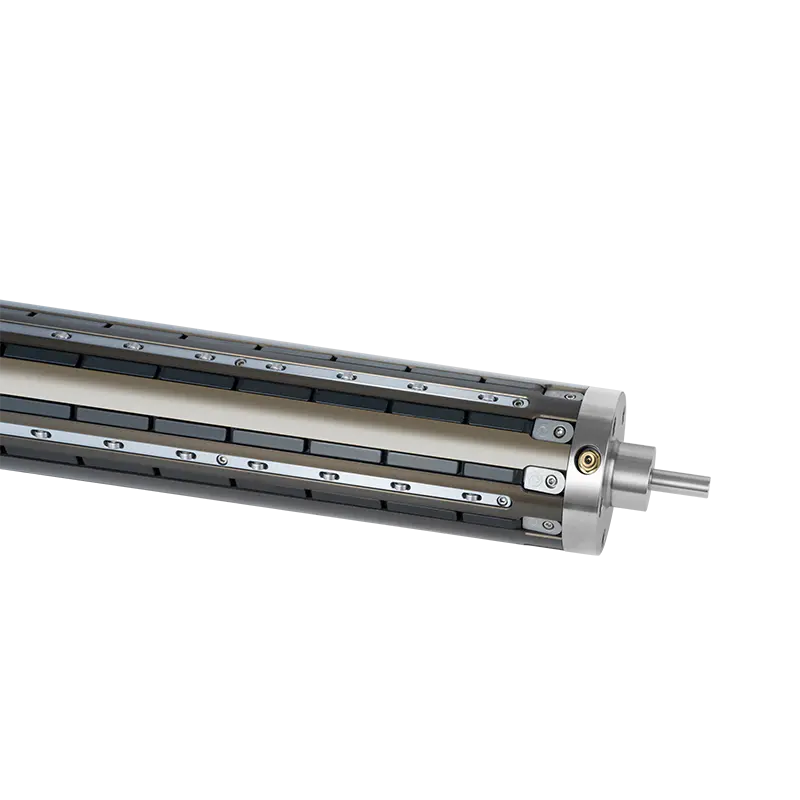
What Is a Pneumatic Air Shaft, and Why Does It Dominate This Space?
A Pneumatic Air Shaft uses internal air pressure to expand a bladder or a set of mechanical components, gripping a roll's core tight enough for winding or unwinding. Deflate it, and the grip releases, letting operators swap cores quickly between runs.
That basic trick explains why pneumatic designs took over roll handling applications so thoroughly. Inflating and deflating a shaft beats fumbling with mechanical alternatives that need manual adjustment, especially anywhere cores get swapped constantly across a working shift.
Does Every Pneumatic Air Shaft Actually Work the Same Way Inside?
Not even close, and this is exactly where buyers trip up assuming one pneumatic design covers every application. Different internal structures, leaf-type gripping, lug-based systems, single versus multiple bladder setups, each bring their own performance quirks suited to different roll widths, core materials, and load demands.
Understanding these structural differences matters a lot more than just confirming "yes, it's pneumatic," since the internal gripping mechanism shapes how evenly force spreads across the core and how reliably the shaft holds up under repeated cycling.
Sorting Through Structural Types Within Pneumatic Air Shaft Design
Different structural approaches suit different combinations of width, core material, and load, and knowing these distinctions helps buyers dodge a mismatch that only becomes obvious once equipment's already running production.
- Leaf type air shaft designs spread gripping force across expanding leaf segments along the shaft's length, generally landing even engagement across wider cores
- Lug type air shaft designs rely on individual lug sections grabbing the core, sometimes creating more localized pressure points that suit certain core setups
- Multi bladder air shaft configurations allow independent pressure adjustment section by section, handy for running several narrower cores side by side on one shaft
- Air expandable shaft and expanding air shaft, generally, describe the same underlying pneumatic principle, though specific product lines vary quite a bit in structural detail underneath that shared label
Why Does Picking the Wrong Structural Type Cause Trouble Later Rather Than Right Away?
A mismatch between shaft structure and actual roll setup tends to creep in gradually instead of announcing itself immediately. A leaf type shaft used somewhere a multi bladder configuration would've suited mixed-width cores might run fine at first, then start showing uneven tension or core slippage once production settles into its usual rhythm.
Catching that mismatch during selection, rather than discovering it through recurring tension complaints on the floor, saves a lot of troubleshooting headache down the road.
Comparing Roll Handling Technologies Across Applications
| Technology Type | Structural Characteristic | Best Suited Application |
|---|---|---|
| Leaf Type Air Shaft | Expanding leaf segments distribute even force | Wider single-width cores needing consistent tension |
| Lug Type Air Shaft | Individual lug sections engage core | Applications where localized engagement suits the core design |
| Multi Bladder Air Shaft | Independent sectional pressure control | Multiple narrower cores run side by side on one shaft |
| Lightweight Air Shaft | Reduced mass construction | Frequent manual handling or changeover operations |
Why Does the Industry You're In Change Which Shaft Structure Makes Sense?
Different industries put different demands on roll handling gear, mostly driven by what materials are being processed and how those materials behave while winding and unwinding.
- Printing and packaging operations often juggle varied roll widths, so multi bladder configurations pay off handling mixed-width jobs without constant equipment swaps
- Paper processing tends to lean toward sturdier leaf type or lug type designs suited to heavier rolls and continuous runs
- Plastic film converting often benefits from lightweight air shaft designs, since operators handling frequent core changes appreciate less physical strain during manual shaft work
- Battery production, especially with thin, delicate materials, often demands tight tension control that pairs pneumatic shaft technology with more sophisticated braking systems
- Textile processing varies quite a bit depending on fabric weight and roll size, sometimes calling for custom shaft setups rather than something off the shelf
Does Going Lightweight Mean Giving Up Load Capacity?
Not necessarily, though it's worth an honest look during selection. A lightweight air shaft cuts mass through material choice and smarter design rather than just stripping out structural capacity, so a well-engineered lightweight shaft can still handle substantial loads while staying easier for operators to position manually during frequent changeovers.
Buyers should check actual load ratings rather than assuming lightweight automatically means reduced capacity, since build quality plays a bigger role in that balance than weight alone ever could.
Maintenance and Spare Parts: Worth Planning Around Early
No matter which structural type ends up getting picked, ongoing maintenance and spare parts availability shape long-term reliability just as much as the initial technology choice does.
- Air shaft parts, bladders, lugs, leaf components, wear at different rates depending on how often they're used and how heavy the rolls get
- Air shaft bladder tubing connections should get checked regularly for leaks or kinks that could throw off inflation consistency
- Air shaft bladder material composition affects how well the bladder holds up against repeated inflation and deflation cycles
- Keeping air shaft spare parts on hand cuts downtime whenever a component eventually needs swapping, rather than waiting on an emergency order to arrive
Should Spare Parts Planning Happen Before Buying Equipment or After?
Ideally before, though plenty of buyers only start taking spare parts seriously after their first unplanned downtime scare. Checking spare parts availability and typical lead times during the initial equipment evaluation, instead of after installation, helps facilities build realistic maintenance plans from day one rather than scrambling once something actually fails.
This kind of forward planning matters a lot for facilities running continuous production schedules, where even a short parts delay can snowball into real production loss.
How Does Tension Control Technology Pair With Air Shaft Choice?
Air shaft selection doesn't happen in a vacuum, separate from broader tension control considerations. Plenty of roll handling systems pair pneumatic shaft technology with braking systems that manage unwind or rewind tension throughout production.
An electromagnetic powder brake works alongside the shaft, applying controlled resistance that helps keep tension steady as roll diameter shifts throughout a winding or unwinding cycle. This pairing matters a lot for applications needing tight tension control, since the shaft alone only handles core gripping while the brake manages tension across the whole roll.
Should Buyers Get Shaft and Brake Technology From the Same Supplier?
There's a reasonable argument for it, mostly around making sure components designed to work together actually do. Working with a magnetic powder brake manufacturer who knows how to pair brake systems to specific shaft configurations can cut down on compatibility headaches that sometimes crop up when combining parts sourced independently from different places.
That said, plenty of facilities mix components from different sources just fine, as long as compatibility gets checked during selection rather than just assumed from general spec sheets.
A Practical Path to Selecting the Right Roll Handling Technology
Rather than defaulting to whatever shaft type seems most common across the industry, working through a few concrete steps helps match technology choice to what production actually needs.
- Nail down the range of roll widths and core setups the equipment needs to handle
- Figure out load capacity requirements based on typical roll weight and material density
- Decide whether mixed-width production justifies a multi bladder setup over something simpler with a single bladder
- Think about operator handling, especially for facilities swapping cores manually and often
- Weigh tension control needs and whether pairing with an electromagnetic powder brake actually fits the application
- Confirm spare parts availability and manufacturer support before locking in the purchase
Working through this before committing to a purchase helps facilities dodge the kind of mismatch that only shows up once production's already running, and fixing it becomes a lot more disruptive than catching it early would've been.
Sourcing Considerations for Long-Term Reliability
Facilities evaluating roll handling technology eventually hit a point where supplier reliability matters just as much as the technical specs on paper. Working with a supplier offering China air shaft manufacturing capability alongside a full range of structural options simplifies sourcing considerably, since buyers can pull leaf type, lug type, and multi bladder configurations from one relationship instead of piecing components together from several different places.
That consistency carries into long-term maintenance planning too. A supplier who actually knows their own product line guides spare parts selection and troubleshooting a lot more effectively than one unfamiliar with the specific shaft configuration sitting on a facility's floor.
Picking the right roll handling technology really comes down to matching shaft structure, load capacity, and tension control approach to whatever a facility's production actually demands, rather than assuming one Pneumatic Air Shaft configuration works everywhere across every industrial application. Whether the operation runs printing, packaging, film converting, battery production, or textile processing, understanding how leaf type, lug type, and multi bladder designs each behave under different roll conditions gives buyers a much stronger foundation for equipment selection than comparing spec sheets alone ever could. Ruian Chuangbo Machinery Co., Ltd. works with facilities across these varied industrial applications, helping match roll handling technology and spare component support to whatever production challenge each operation is actually facing. Reach out with equipment specifications or production details, and the conversation about which roll handling solution fits best can start from there.
