


Ruian Chuangbo Machinery Co., Ltd. is specialized in manufacturing of machinery parts.
Walk into a facility that produces paper, plastic film, labels, textiles, or flexible packaging, and one thing becomes obvious pretty quickly — large rolls of material are constantly being moved, unwound, rewound, and stored. The rolls often draw attention because of their size, but the equipment that keeps them securely in place is equally important. That's where Expanding Core Chucks come in. They grip the inner core of a roll, keeping the material stable as it rotates through different stages of production. Most of the time they stay hidden inside the equipment, but they play a real part in keeping material handling organized and consistent day after day.
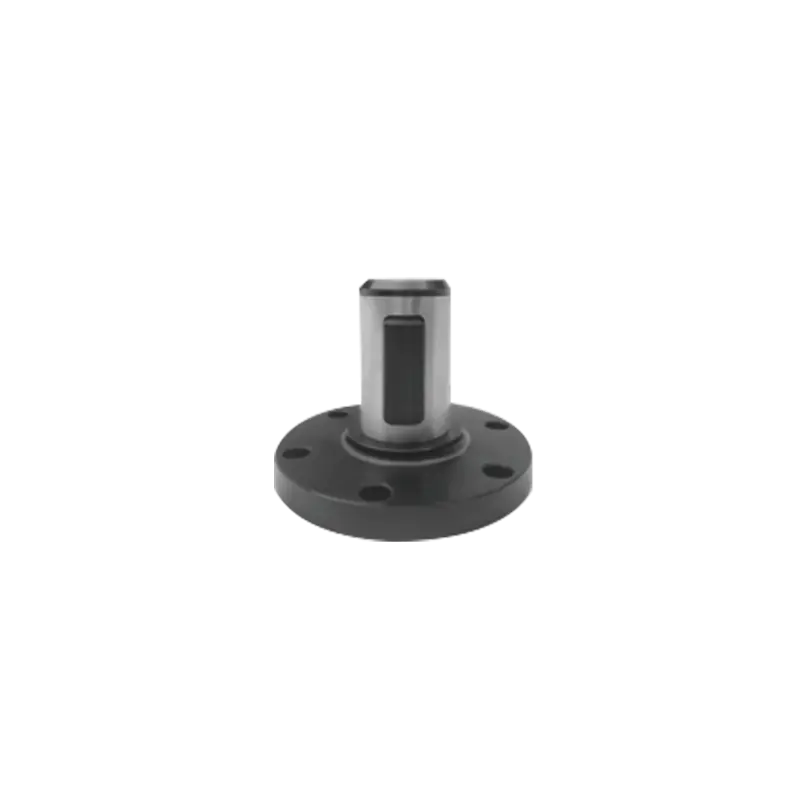
Why Expanding Core Chucks Get Used in Roll Handling
Roll-based production depends heavily on stability. If a roll can't stay centered while it's rotating, even a well-designed line can start running into interruptions.
This is where expanding chucks earn their place. Instead of gripping the outside of a roll, they secure it from the inside — the chuck expands and makes contact with the inner surface of the core. That grip lets the roll rotate along with the machine while keeping unnecessary movement to a minimum.
A lot of industries work with materials supplied in roll form, including:
- Paper
- Plastic film
- Flexible packaging
- Labels
- Foils
- Textiles
- Laminated materials
These products are pretty different from each other, but they all need some form of controlled roll handling during production.
How an Expanding Core Chuck Actually Works
The basic idea is fairly straightforward. A roll gets placed onto the chuck. Once it's positioned, the gripping sections move outward until they make contact with the inside of the core.
Rather than relying on external clamps, the holding force comes from inside the roll itself. When production wraps up, the gripping sections retract back to their original position, so the finished roll can be removed without much hassle.
The general sequence tends to follow this pattern:
| Step | Purpose |
|---|---|
| Roll positioning | Places the material onto the chuck |
| Expansion | Creates contact inside the core |
| Rotation | Lets the roll move with the machine |
| Release | Makes roll removal easier |
Different equipment may operate differently in specific details, but this basic principle remains consistent across many applications.
What's Actually Inside a Chuck Like This
At a glance, an expanding chuck might just look like a metal shaft. Look closer, though, and there are several parts working together:
- Main body
- Expanding gripping sections
- Internal operating mechanism
- Mounting connection
- Surface contact areas
Each part contributes to the overall gripping action — the outer sections make contact with the core, while the internal mechanism handles expansion and release. The goal is secure contact without making the installation process needlessly complicated. Since these parts go through the same motion repeatedly during production, smooth movement ends up being about as important as raw gripping force.
Where These Chucks Typically Show Up
Plenty of manufacturing industries process materials that come as continuous rolls. Anywhere material needs controlled unwinding or rewinding, expanding chucks tend to become part of the equipment lineup.
| Industry | Typical Use |
|---|---|
| Paper converting | Roll handling during processing |
| Flexible packaging | Unwinding and rewinding materials |
| Printing | Supporting rolls during production |
| Film processing | Material feeding systems |
| Label production | Roll positioning |
| Textile processing | Fabric roll handling |
Each industry deals with different materials, but the basic handling principle stays pretty consistent — the chuck provides stable support while letting the roll rotate smoothly through the production cycle.
Why Roll Centering Actually Matters
People sometimes focus only on whether a roll stays attached, but centering is just as important.
When a roll rotates evenly, material tends to move through the equipment in a more controlled way. If the roll shifts during operation, a few problems can start showing up:
- Uneven material movement
- Increased vibration
- Trouble maintaining alignment
- Extra stress on surrounding equipment
Good roll positioning usually starts before production even begins. Operators generally check that the roll is sitting correctly before expanding the chuck — spending a few moments confirming alignment tends to save adjustments later on.
How Different Industries Benefit From This Design
Every production line looks a little different, but a lot of manufacturers are aiming for the same basic thing — equipment that supports smooth material flow and fits naturally into their existing setup.
Expanding chucks help by letting operators change rolls without a lot of added complexity. A few practical advantages worth mentioning:
- Supports frequent roll changes
- Helps maintain consistent roll positioning
- Adapts to different production environments
- Works across various roll-based materials
One facility might change rolls several times a day. Another might run longer production cycles with fewer changeovers. Either way, stable roll support matters — which is part of why expanding chucks show up across so many types of converting and manufacturing equipment.
What to Think About Before Choosing an Expanding Core Chuck
Picking the right equipment goes beyond just comparing specs on paper. The actual production environment should really guide the decision. Worth asking:
- What type of material will be processed?
- How often do rolls get changed?
- What production equipment is already in place?
- Are future production needs likely to shift?
- Is maintenance easy for operators to manage?
The answers tend to vary quite a bit between facilities. A printing company might have different priorities than a packaging manufacturer, and a facility running lightweight film may set things up differently than one handling heavier materials. Looking at the full workflow usually gives a clearer sense of which chuck design actually fits.
How Routine Maintenance Keeps Things Running Smoothly
Like many mechanical components, expanding chucks benefit from regular inspection, and maintenance does not always involve repairing a failure. In many cases, it means keeping the equipment clean and checking that moving parts continue to operate as expected.
A basic maintenance routine might include:
| Maintenance Task | Purpose |
|---|---|
| Cleaning | Removes dust and production residue |
| Visual inspection | Spots visible wear early |
| Movement check | Confirms smooth expansion and release |
| Storage inspection | Helps protect equipment between uses |
Operators tend to pick up on gradual changes just through everyday use — maybe a roll starts feeling slightly harder to install, or the expansion movement doesn't feel quite as smooth as before. These small signals often give useful warning before anything more serious develops. Equipment generally runs more consistently when individual components get regular attention.
Understanding how Expanding Core Chucks work makes it easier to appreciate the role they play in roll-handling systems. Mostly hidden during normal operation, they still help keep material handling stable across paper converting, printing, flexible packaging, film processing, textile manufacturing, and plenty of other industries where rolls are constantly moving through production equipment.
